
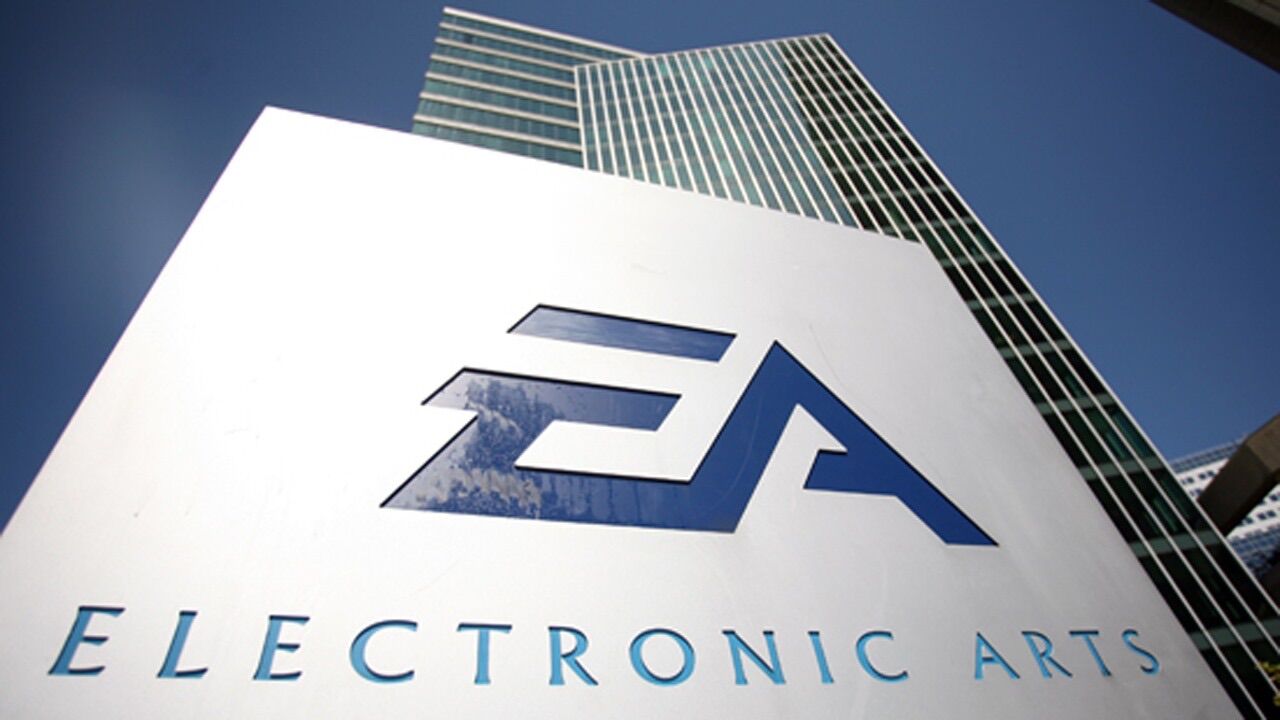
Electronic Arts, one of the giants of the gaming world, is experiencing a historic day. The sale of the company to a consortium including the Saudi Arabian Public Investment Fund (PIF) and Silver Lake has officially accelerated. This massive sale agreement, announced in September and valued at $55 billion, was approved by EA shareholders in a vote. This approval represents the company’s first major step towards going private and delisting from the stock exchange.
The next obstacle: government and competition authorities
The shareholders’ green light doesn’t mean the process is complete. Like Microsoft’s acquisition of Activision Blizzard, this deal needs to be thoroughly examined by global regulators. In particular, US senators have warned in letters to the Treasury Department that this sale could pose a national security risk. The possibility of a foreign administration gaining global influence through a giant technology and entertainment company like EA is viewed with concern in Washington.
The repercussions of the sale are not limited to the US. In Canada, home to studios like BioWare and Motive, unions have filed complaints with the competition authority. CWA Canada notes that financing the sale with a $20 billion debt financing could lead to future cost-cutting measures. Analysts predict the company may have to cut its workforce to repay this debt, negatively impacting employment in the Canadian gaming industry.
If all legal processes are completed smoothly, the balance in the gaming industry will completely shift. Upon completion of the deal, the Saudi Arabian Public Investment Fund will own an overwhelming 93.4% of Electronic Arts. The remaining 6.6% will be distributed among other investors in the consortium. Regulatory reviews are estimated to take more than a year.
So, how do you think the sale of EA, the owner of legendary series like FIFA and Battlefield, to the Saudi Arabian fund will affect the future of gaming? Share your thoughts in the comments!