
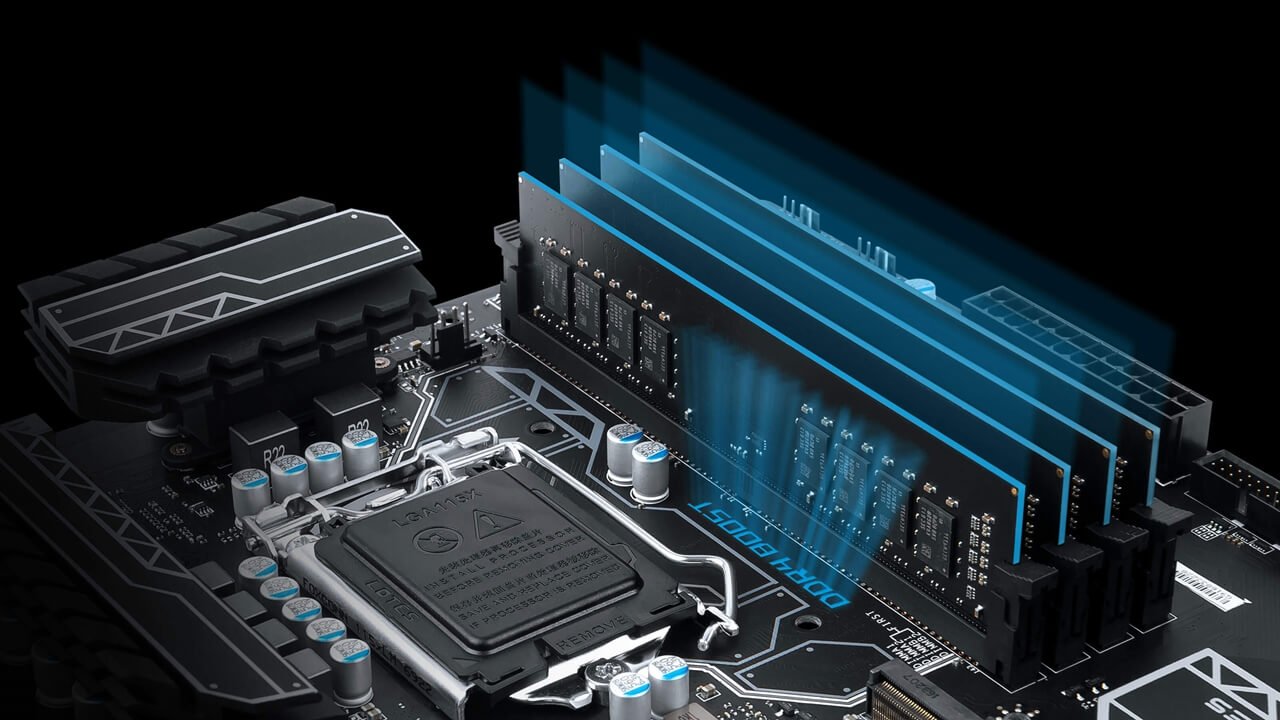
The long-awaited transition in the DRAM market was unexpectedly interrupted by rising demand. While DDR4 memory was initially planned to be discontinued, Samsung and SK Hynix postponed this decision. The two major manufacturers will continue production for some time due to strong demand for DDR4 and the volatility in DDR5 prices.
DDR4 memory production will continue
DDR4 memory has been a core component of computer systems for approximately 11 years. Following the near-complete disappearance of DDR3 from the market, a similar process was expected for DDR4. However, the continued demand for DDR4, particularly among enterprise systems, servers, and individual users, has forced manufacturers to reconsider their current plans.
According to information shared by Digitimes, Samsung and SK Hynix are not yet ready to abandon DDR4 entirely due to the slower-than-anticipated adoption of DDR5 and the continued significant price differences. Despite its performance advantage, DDR5 prices have not yet reached a level where it can replace DDR4 in some systems. This imbalance has led to stock shortages and price fluctuations.
A recent report by TrendForce confirmed the price increases in the market. Prices for DDR4 RAM kits have increased by up to 40 percent for some models. Samsung and SK Hynix’s 16GB capacity DDR4 modules at 3200MHz were trading for an average of $12.50 on the DRAMeXchange platform. Prices for some of these modules reached as high as $24. Meanwhile, 2x8GB DDR5 kits at 4800 and 5600MHz remained around $6.
Despite the technical advantages offered by DDR5, the lack of a price-performance balance is the primary factor contributing to DDR4’s longevity. This shift in manufacturing strategies by Samsung and SK Hynix will likely keep DDR4 usage viable in both the consumer and enterprise markets for some time to come.