

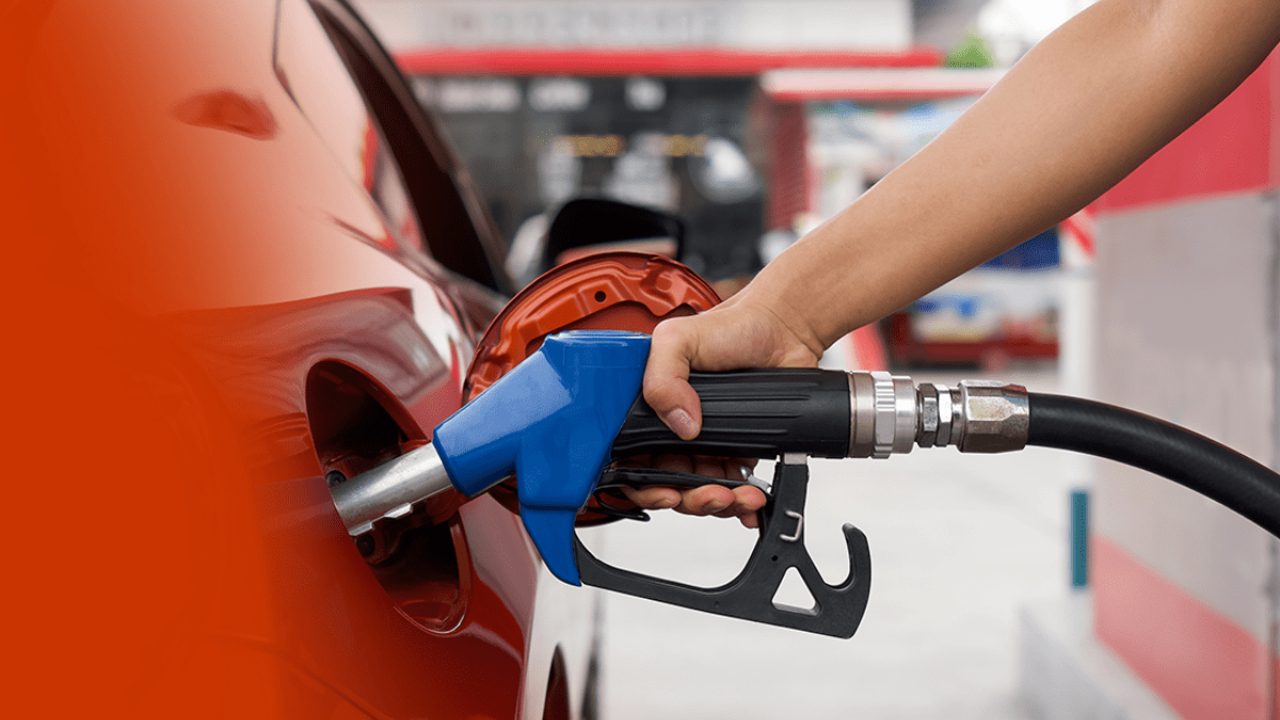
A recent report by global consulting firm EY reveals a global resurgence in popularity for gasoline-powered and similar internal combustion engine vehicles. This is directly linked to significant policy shifts stemming from the slow pace of the transition to electric vehicles (EVs) as anticipated by governments.
Gasoline vehicles are making a comeback
According to the report, recent policy changes, trade disputes, and ongoing uncertainties surrounding charging infrastructure are leading many consumers to choose gasoline vehicles over EVs.
In the United States, President Donald Trump has proposed easing fuel efficiency and emissions regulations, tightened during the previous Biden administration, to facilitate the sale of gasoline vehicles.
Meanwhile, the European Union is reportedly preparing to soften its internal combustion engine ban, previously set for 2035. These developments clearly demonstrate that the transition to EVs is progressing slower than expected.
EY also examined the situation in China, the largest player in the global EV market. While Chinese consumers continue to buy EVs, the company’s report emphasizes that these customers are focusing more on the digital features offered by the vehicles rather than their electric nature.
Looking at consumer preferences, a striking picture emerges. Half of those planning to buy a new or used car in the next two years will opt for a gasoline model. This represents a significant increase of 13 percentage points compared to the previous year.
On the other hand, the percentage of those intending to buy an electric vehicle has fallen to 14%, while the percentage of those wanting a hybrid model has also decreased to 16%. 36% of potential buyers interested in electric vehicles report that they are considering postponing their purchase decisions due to reciprocal tariffs and the constantly changing political environment.