
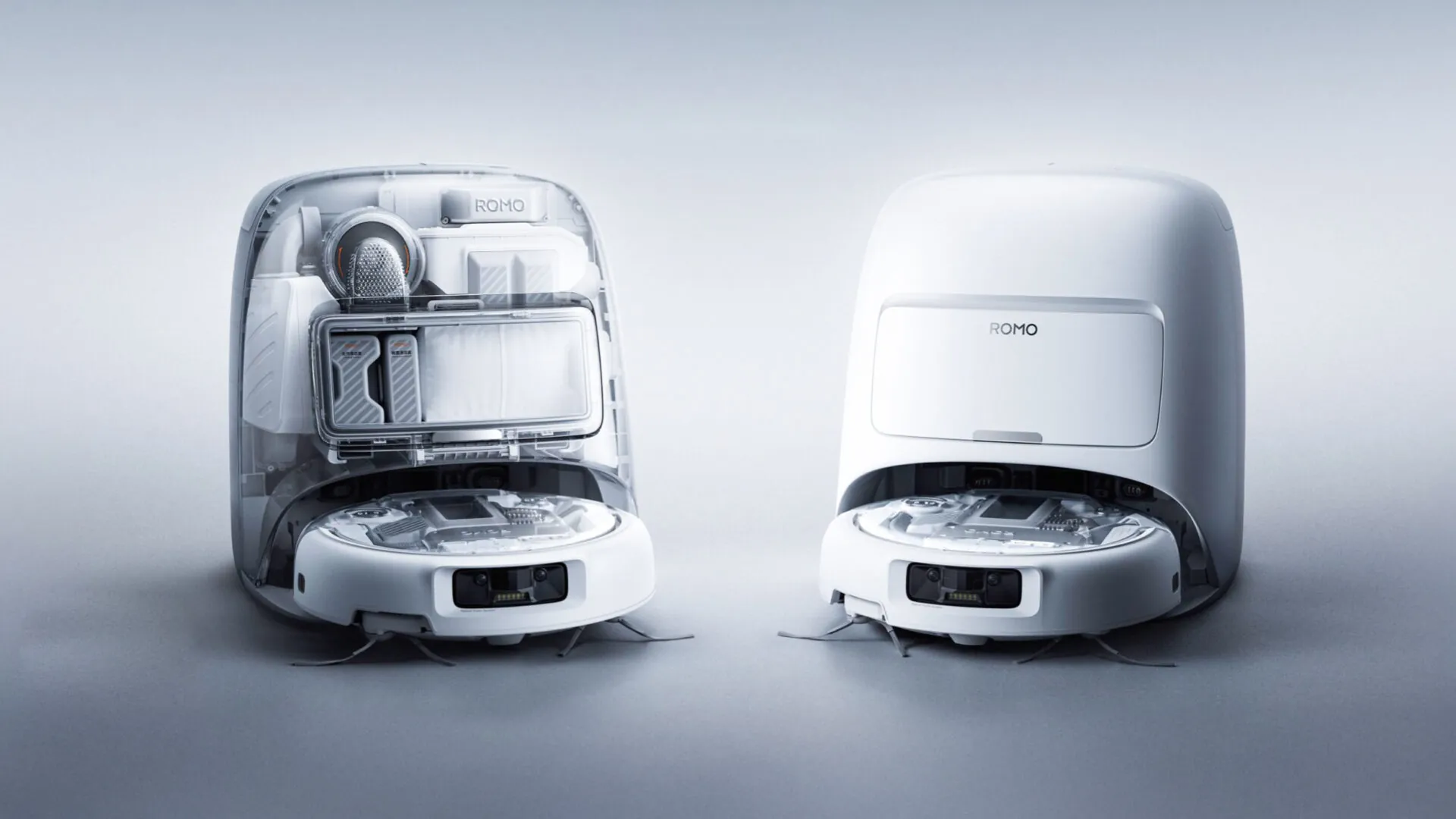
The DJI Romo robot vacuum cleaner series is the first step in this field for the company, known for its drones and action cameras. DJI claims to have transferred the visual precision expertise gained from its drones to its new vacuum cleaners.
What are the features of the DJI Romo robot vacuum cleaner?
The DJI Romo uses two fisheye cameras on the front for panoramic views. These cameras are coupled with the laser-guided vision system found in traditional robot vacuum cleaners. Furthermore, thanks to its three self-developed laser modules and binocular vision, it ensures that even 2mm-thin objects, such as a cable hanging from a table, are not missed. DJI states that it uses artificial intelligence to create surface maps, and that the data is stored locally for privacy.
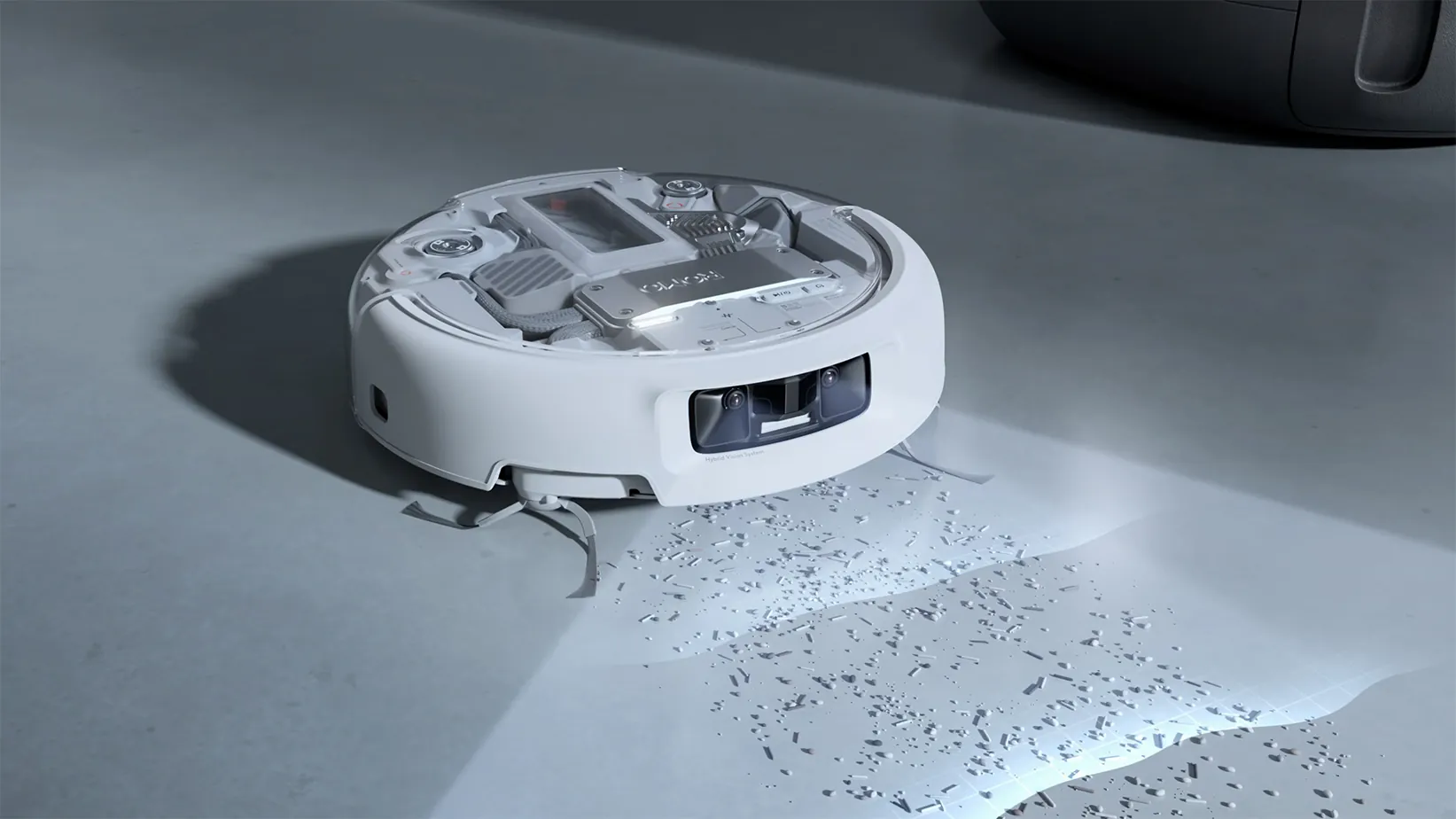
The Romo features an “extra-wide” suction channel with 25,000 pascals of pressure. It also features mechanical arms and scrubbing pads that can reach into tight spaces. The device also offers wet mopping functionality and can hold up to 164 ml of cleaning solution. The homing station contains two separate cleaning agent containers for different purposes. DJI says the Romo uses visual perception to distinguish between different rooms and use liquids of varying strength accordingly.
DJI offers the Romo in three models: A, S, and P. The P model features a transparent casing and base station reminiscent of the Nothing brand’s designs. The S model has an all-white body, while the A model features a white vacuum and a transparent base station.
DJI focuses on low-noise operation with the vacuum. It claims the design reduces noise from the suction and rotating blades by up to 80%. The device offers self-cleaning features and sends alerts through the DJI Home app to notify users when water or dust collection bags need to be replaced. However, unlike some competitors, the Romo cannot climb stairs or high doorways.
Pricing: The DJI Romo S model is priced at $650, while the fully transparent P model is priced at $950. These prices are in line with traditional players like iRobot.
So, what are your thoughts on DJI’s entry into the robot vacuum market? Share your thoughts with us in the comments!