
DLSS 5 Technology Now Runs on RTX 20 and 30 Series Cards

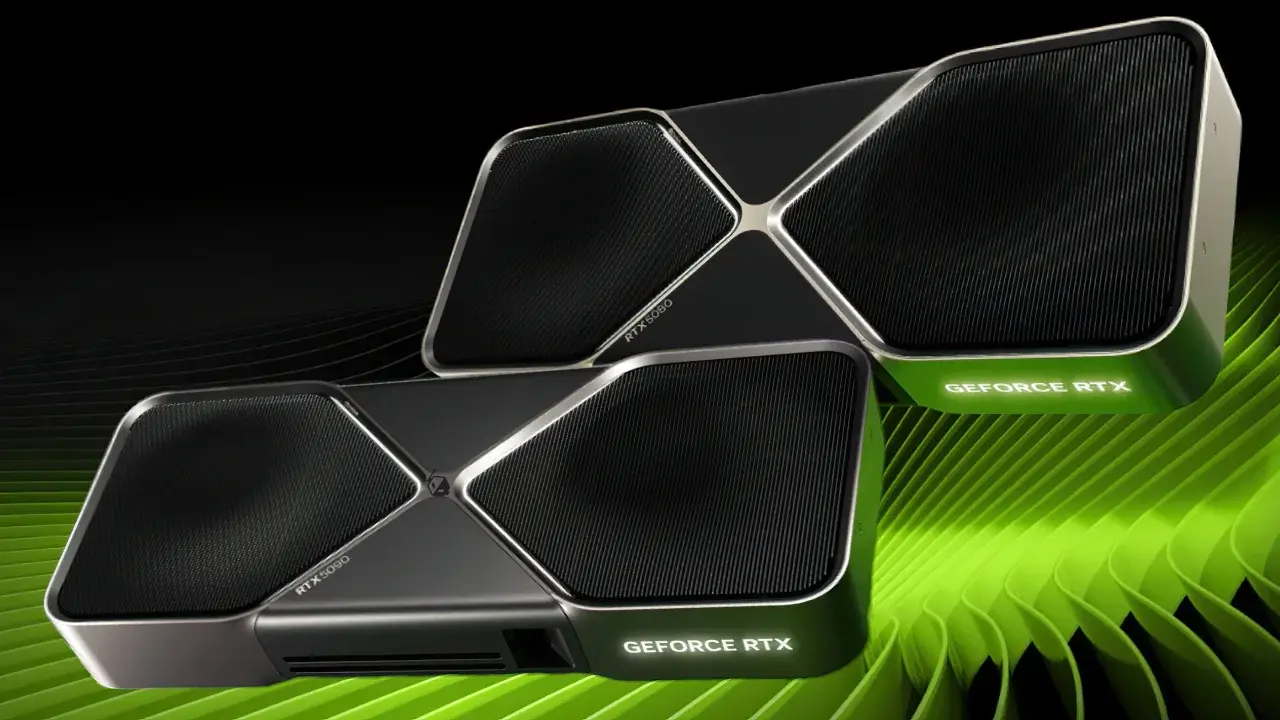
NVIDIA’s experimental DLSS 5 Neural Rendering technology, originally intended for the upcoming RTX 50 series, has arrived on older hardware much sooner than anticipated due to a widespread leak. Thanks to the efforts of the dedicated PC modding community, this sophisticated AI-powered scaling technology is now operational on legacy RTX 20 and 30 series graphics cards. By leveraging unauthorized file access, developers have successfully bypassed original hardware restrictions, enabling the technology to run on older graphical APIs and even within software emulators. This development marks a significant shift in how neural rendering can be applied across different GPU architectures.
- DLSS 5 functionality is achieved on Turing and Ampere architectures through optimized FP16 calculation methods.
- Mod developers have successfully integrated the technology into DirectX 11, DirectX 9, and Vulkan-based software environments.
- Automated installation tools such as RHI and RenoDX have significantly streamlined the deployment of neural rendering libraries for end-users.
- Emulation platforms including PCSX2 have demonstrated that neural rendering can effectively enhance the visual quality of legacy console titles.
Older Graphics Architectures Benefit From New Optimization Processes
Initial attempts to run the leaked DLSS 5 files on older hardware were met with significant performance hurdles, as cards like the RTX 3080 struggled to maintain viable frame rates. Because the technology was natively designed for high-efficiency FP8 workloads, the performance dropped to approximately 4 FPS on existing architectures. However, the modding community identified that by shifting the workload to FP16, they could achieve a substantial performance gain. This critical optimization allows the Tensor cores found in RTX 20 and 30 series cards to process the neural data more efficiently, bridging the gap between legacy hardware and next-generation software requirements.
Modding Tools Have Simplified the Installation Procedure
The accessibility of this technology has been bolstered by the release of specialized management tools. The RHI (ReShade HDR Installer) version 2.4.9 has become a cornerstone of this movement, as it automatically integrates the modified “nvngx_dlssnr.dll” library into the user’s system. By removing the need for manual file manipulation, tools like RHI and RenoDX allow users to easily test neural rendering in modern titles such as Final Fantasy VII Rebirth. This move toward automation has transformed a complex engineering workaround into a user-friendly experience for the broader PC gaming community.
Innovative Solutions Are Targeting Games Without Native Support
Beyond modern hardware, developers are focusing on classic games that lacked any prior DLSS implementation. The DLSS5-Feeder project is particularly notable for its ability to extract movement vectors and depth data directly from the game engine, providing the necessary input for the neural scaler. Consequently, players can now experience the benefits of advanced upscaling in iconic titles like Batman: Arkham Knight, Metro 2033 Redux, and DOOM (2016). Furthermore, successful tests on the PCSX2 emulator using the game Manhunt suggest that the reach of this technology extends far beyond modern PC releases.
System Limitations and Future Prospects Are Being Evaluated
While these advancements are impressive, it is essential to recognize that this is an unofficial community project without any support from NVIDIA. Users may encounter various graphical artifacts, such as HUD glitches, motion vector errors, and inconsistent frame rates. Despite these technical trade-offs, the ability of the community to establish such extensive compatibility highlights the potential of AI-based upscaling. The long-term implications of these mods continue to spark intense debate regarding the future of software-based performance enhancement.
Do you believe that using community-developed mods to bring cutting-edge AI features like DLSS 5 to older graphics cards is a revolutionary step for PC gaming, or is it merely a temporary workaround? We invite you to share your experiences and technical results in the comments section below.
Your comment has been submitted,
it will be published after approval.