
DLSS 5 Testing on RTX 30 Series Causes Massive Performance Drop

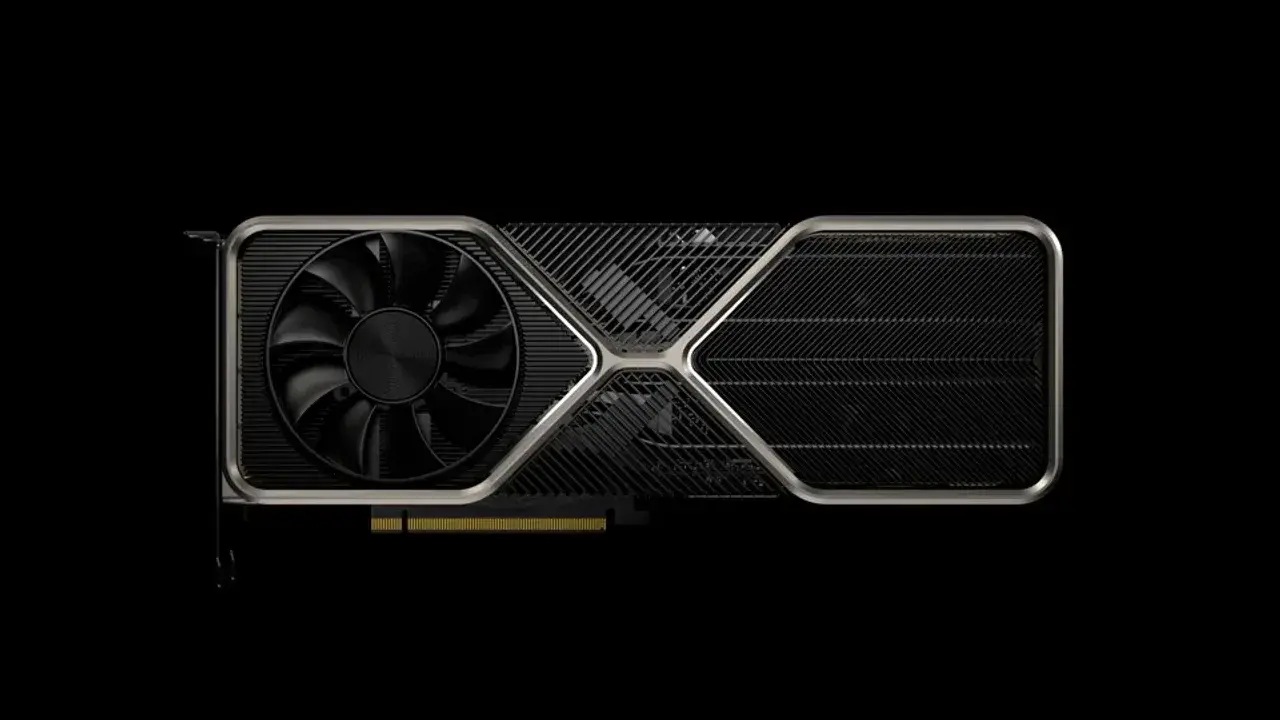
NVIDIA’s cutting-edge DLSS 5 Neural Rendering technology, while officially exclusive to the upcoming RTX 50 series, has been forced onto older hardware by adventurous modders. Recent attempts to implement this technology on GeForce RTX 30 series cards have yielded disastrous results, with users reporting a staggering 97 percent performance loss. Testing conducted by the community, specifically on an RTX 3080, demonstrates that the current iteration of DLSS 5 is entirely incompatible with Ampere-based architectures in its unoptimized, leaked state. As gamers attempt to force this software update onto legacy hardware, they face severe frame rate degradation that renders modern titles completely unplayable.
- Modders successfully enabled DLSS 5 on RTX 3080 hardware using leaked files.
- Tests revealed a 97 percent drop in frame rates during active gameplay.
- Frame times increased significantly from 8ms to 260ms during testing.
- NVIDIA currently limits official support for DLSS 5 to the upcoming RTX 50 series.
RTX 3080 Performance Collapses Under New Software Load
The technical limitations of the Ampere architecture became painfully apparent during tests performed by user @flovreq. By forcing the DLSS 5 Neural Rendering DLL files into the game Deep Rock Galactic, the user observed an immediate and catastrophic impact on performance. The frame rate plummeted from a smooth 138 FPS down to a mere 4 FPS. 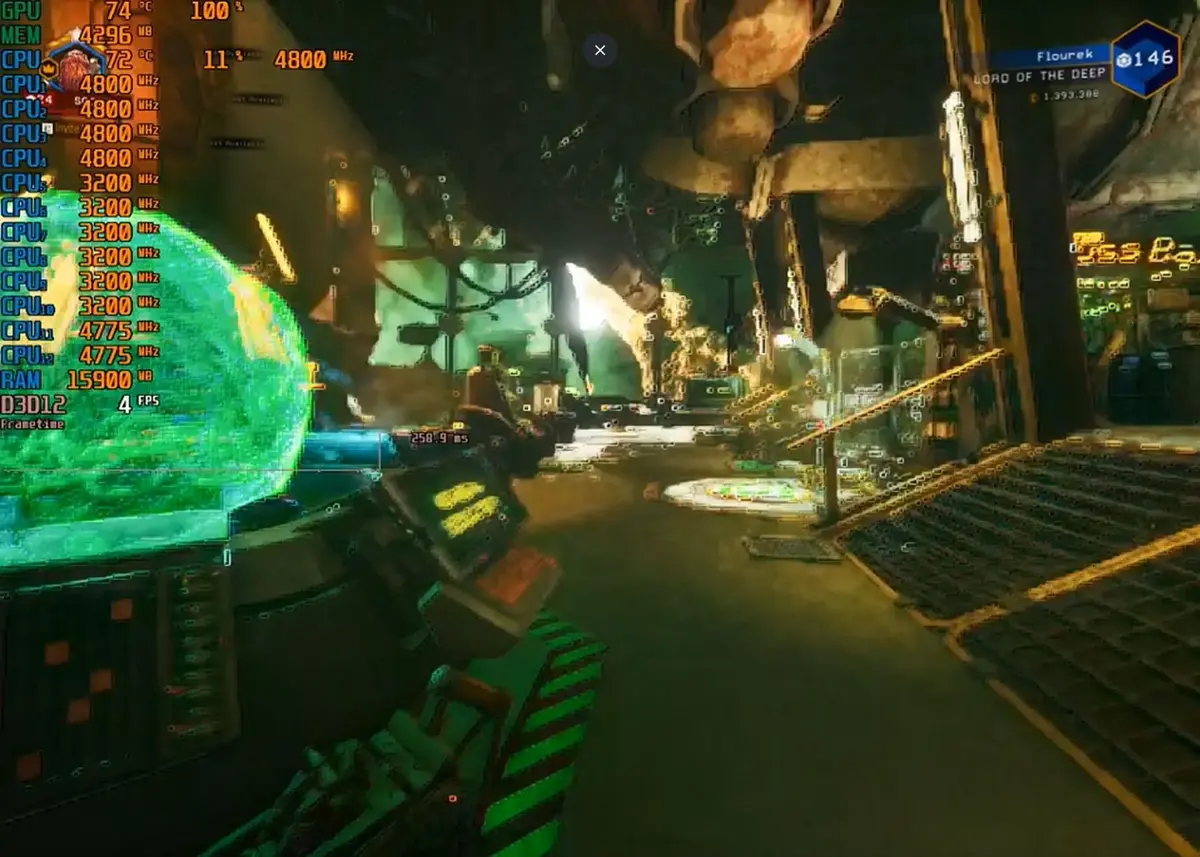
This performance deficit represents a 97 percent reduction in output capacity, effectively stalling the game engine. Beyond the raw frame rate, the latency metrics provided a grim outlook for any potential unofficial support. Frame times, which typically remain low at 7 to 8 milliseconds for a fluid gaming experience, ballooned to an unacceptable 260 milliseconds. This drastic increase confirms that the current software infrastructure of DLSS 5 is not designed to accommodate the hardware constraints found in the RTX 30 series.
Official Support Remains Unconfirmed for Older Architectures
Despite the curiosity surrounding these community-led experiments, NVIDIA has maintained a strict stance regarding its latest neural rendering technology. There has been no official confirmation that the RTX 20, 30, or 40 series will ever receive native DLSS 5 support. Currently, the technology is strictly tied to the hardware specifications of the RTX 50 series, which is scheduled for a market release this fall.
While NVIDIA historically provided a bridge for legacy cards with the introduction of DLSS 4.5, it remains unclear if a similar strategy will be deployed for this new generation. The current reliance on leaked DLL files highlights the desperation of enthusiasts to unlock new features, yet the technical reality proves that hardware optimization is a prerequisite for success. Without official drivers or firmware adjustments, these forced modifications serve only as a demonstration of software incompatibility rather than a viable performance upgrade.
Moving forward, the community continues to speculate whether NVIDIA will provide optimization patches for older architectures. Given the significant resource requirements of the new rendering model, it is likely that the company will prioritize its latest hardware to ensure a premium user experience. As it stands, RTX 30 series owners must rely on established versions of DLSS for optimal gaming performance.
Have you attempted to test experimental software on your legacy graphics card, or do you believe NVIDIA should focus exclusively on new hardware? Share your experiences and thoughts in the comments section below.
Your comment has been submitted,
it will be published after approval.