
Does the iPhone 11 Support 5G Connectivity?

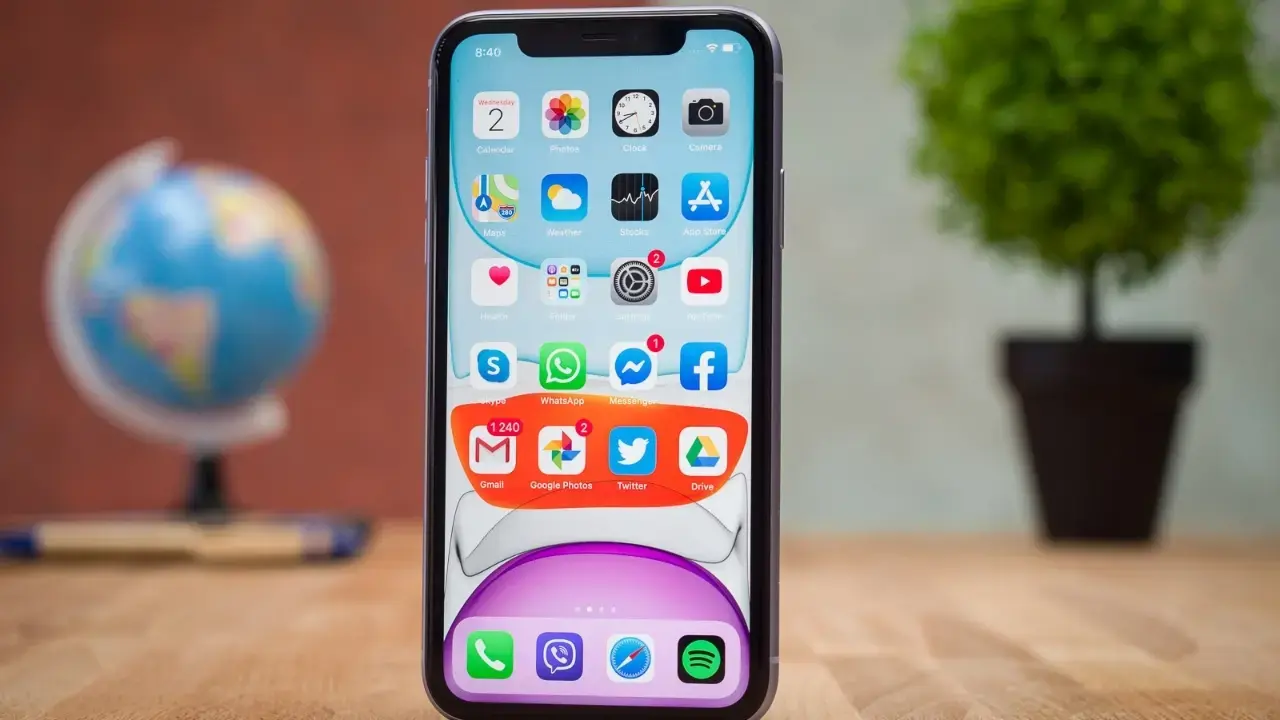
Many prospective buyers often ask: does the iPhone 11 support 5G? Released in 2019, the iPhone 11 remains a popular choice for budget-conscious Apple enthusiasts; however, it is important to clarify that this specific model does not feature 5G connectivity. While the device was considered a powerhouse during its launch, it relies entirely on Gigabit-class LTE technology for its cellular data needs. Because 5G capabilities are tied directly to the physical modem hardware inside the handset, it is impossible for users to enable this next-generation network speed through software updates or patches, regardless of future iOS versions released by Apple.
- The iPhone 11 lacks the necessary hardware to support 5G network bands.
- Apple integrated Gigabit-class 4G LTE technology into the device for cellular connectivity.
- Users cannot enable 5G functionality through firmware or software updates.
- A 5G-enabled SIM card will function in an iPhone 11, but only at 4G speeds.
The iPhone 11 Relies on 4G LTE Technology
For those questioning the current capabilities of the device, the iPhone 11 is strictly a 4G LTE smartphone. Apple designed this model to leverage high-speed LTE networks, which remain highly capable for streaming, browsing, and general communication in many regions today. 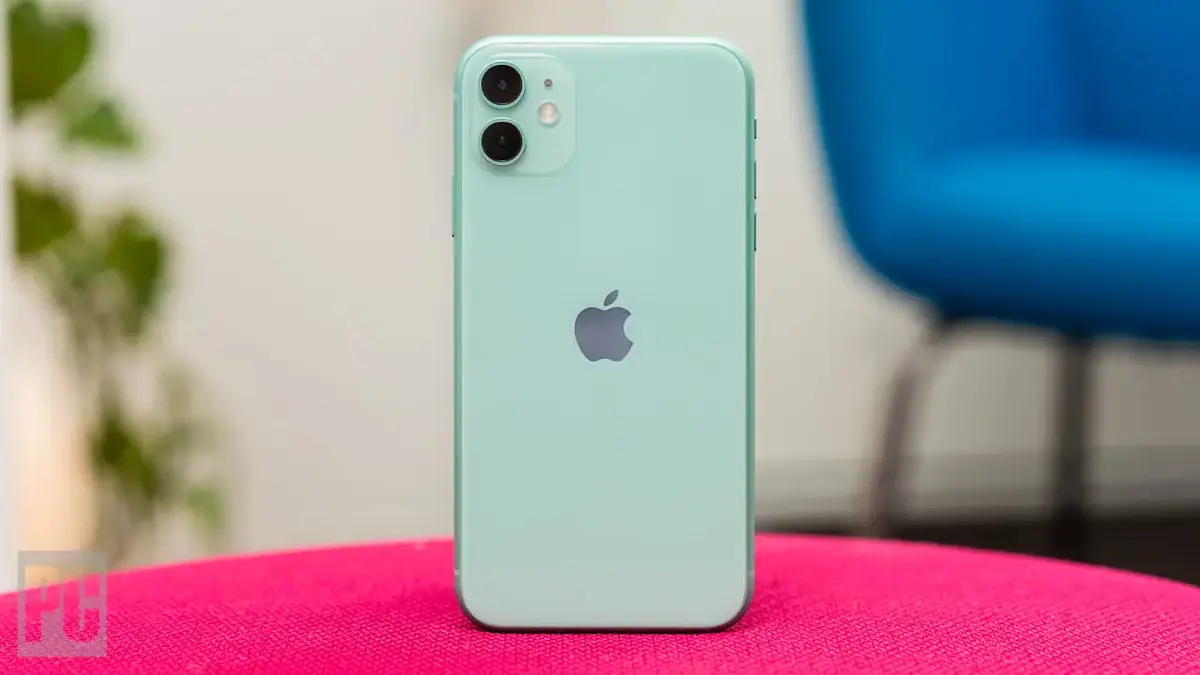
The absence of 5G does not render the iPhone 11 incapable of accessing the internet.
While 5G is the standard for modern flagship devices, the iPhone 11 still delivers a stable internet experience. Users should note that actual performance is heavily influenced by factors outside of the phone’s hardware, such as local network congestion, signal strength, and the specific infrastructure provided by the mobile carrier. In areas where 5G coverage is limited, the performance gap between an iPhone 11 and a newer 5G model may be negligible during daily tasks.
Users Should Consider Newer Models for 5G Support
If access to the latest 5G infrastructure is a primary requirement for a user’s workflow, the iPhone 11 will likely fall short of those expectations. The evolution of mobile networks has made 5G a standard feature in every iPhone iteration starting from the iPhone 12 series and beyond. Consumers who prioritize ultra-fast download speeds and lower latency should explore these newer models to take full advantage of modern cellular advancements.
A common misconception involves the compatibility of SIM cards. Even if a user inserts a 5G-ready SIM card into an iPhone 11, the device will simply default to the highest available connection it supports, which is 4G LTE. The hardware limitations of the older modem will prevent the device from ever locking onto a 5G signal, regardless of the service plan or the SIM card technology utilized by the subscriber.
Are you currently satisfied with 4G LTE speeds on your device, or is 5G connectivity a mandatory feature for your next smartphone upgrade? Share your thoughts and experiences in the comments section below.
Your comment has been submitted,
it will be published after approval.