
EASA Issues Urgent Airbus A380 Inspection Mandate

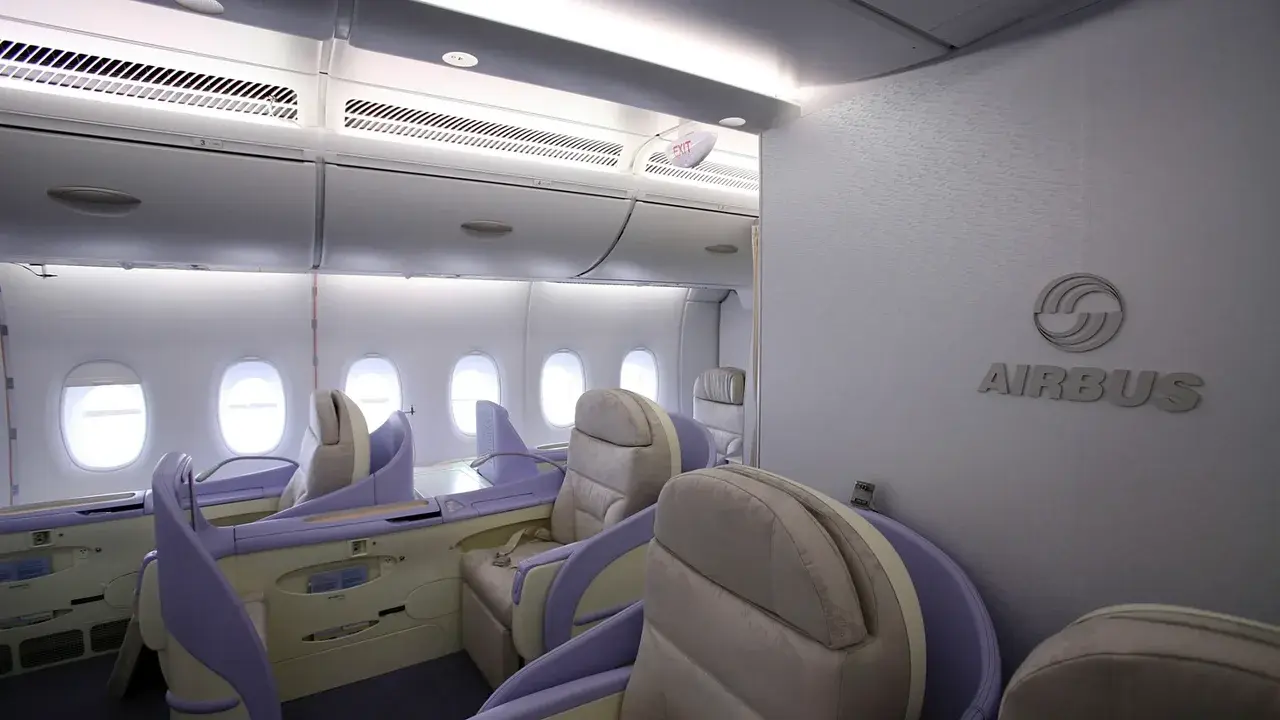
The European Union Aviation Safety Agency (EASA) has issued an urgent inspection mandate for a select number of Airbus A380 aircraft following the discovery of structural cracks in their wings. This safety directive, initiated this week, targets 16 specific aircraft identified within the global fleet. The cracks were located in the wing center box, a critical component responsible for distributing flight-induced stress. While the aviation giant continues to manage these operational challenges, the directive underscores the importance of maintaining airworthiness for the world’s largest passenger jet, which has served long-haul routes since 2007. Airbus remains committed to safety as it monitors the fleet status.
- EASA mandated urgent inspections for 16 Airbus A380 units due to structural wing cracks.
- Fifteen of the affected aircraft belong to the Emirates fleet, while one is operated by Qantas.
- Airbus must ensure that five specific Emirates aircraft undergo detailed examinations before their next scheduled flight.
- The safety mandate does not require the grounding of the entire global A380 fleet at this time.
Aviation safety authorities prioritize structural integrity to prevent potential long-term flight risks.
Inspection Requirements Cover Specific Global Fleets
The recent directive from EASA specifically addresses the structural integrity of the wing center box, which is vital for the aircraft’s load-bearing capabilities. Airbus has verified that the 16 planes identified are distributed between two major carriers: 15 are operated by the Dubai-based airline Emirates, and one is operated by the Australian flag carrier Qantas. {{WP_IMAGE_1}} Among these, five specific aircraft in the Emirates fleet have been flagged for immediate, detailed inspection before they are permitted to conduct further commercial operations.
Although the A380 production line concluded in 2021, these aircraft represent a significant portion of international long-haul capacity. EASA has clarified that this measure is not a blanket grounding order for all A380s, as there is currently no evidence suggesting an immediate risk to the entire fleet. Nevertheless, such emergency directives are treated with the highest priority to ensure ongoing passenger safety and regulatory compliance.
Airbus Faces Broader Operational and Regulatory Hurdles
Beyond the immediate technical concerns regarding the A380, Airbus is currently navigating a complex environment of supply chain delays and rising operational costs. The manufacturer has struggled with the availability of Pratt & Whitney engines, which has resulted in delivery backlogs at major assembly facilities in Toulouse and Hamburg. These production bottlenecks remain a significant point of concern for investors and airline partners alike.
Regulatory pressure is also intensifying across the European aviation sector. EASA has recently introduced stricter maintenance requirements for the A330 model and continues to oversee software updates for the flight control computers in the A320 family. These actions reflect a broader trend of increased oversight as regulators seek to modernize safety standards across all aircraft types.
Increased regulatory scrutiny and supply chain instability challenge the current production efficiency of European aerospace leaders.
Executive Leadership Questions European Economic Competitiveness
Airbus CEO Guillaume Faury has recently spoken out regarding the mounting administrative and financial burdens facing the company. He noted that high energy prices, combined with an increasingly complex regulatory landscape in Europe, are placing substantial pressure on the company’s competitive edge. Faury has described the current European industrial framework as excessively heavy, suggesting that such systemic hurdles could impact the future of aerospace innovation within the region.
What are your thoughts on the impact of these technical inspections and current supply chain constraints on the future of global aviation? Please share your perspective in the comments section below.
Your comment has been submitted,
it will be published after approval.