
Electric Vehicles Are Now More Affordable Than Hybrid Models

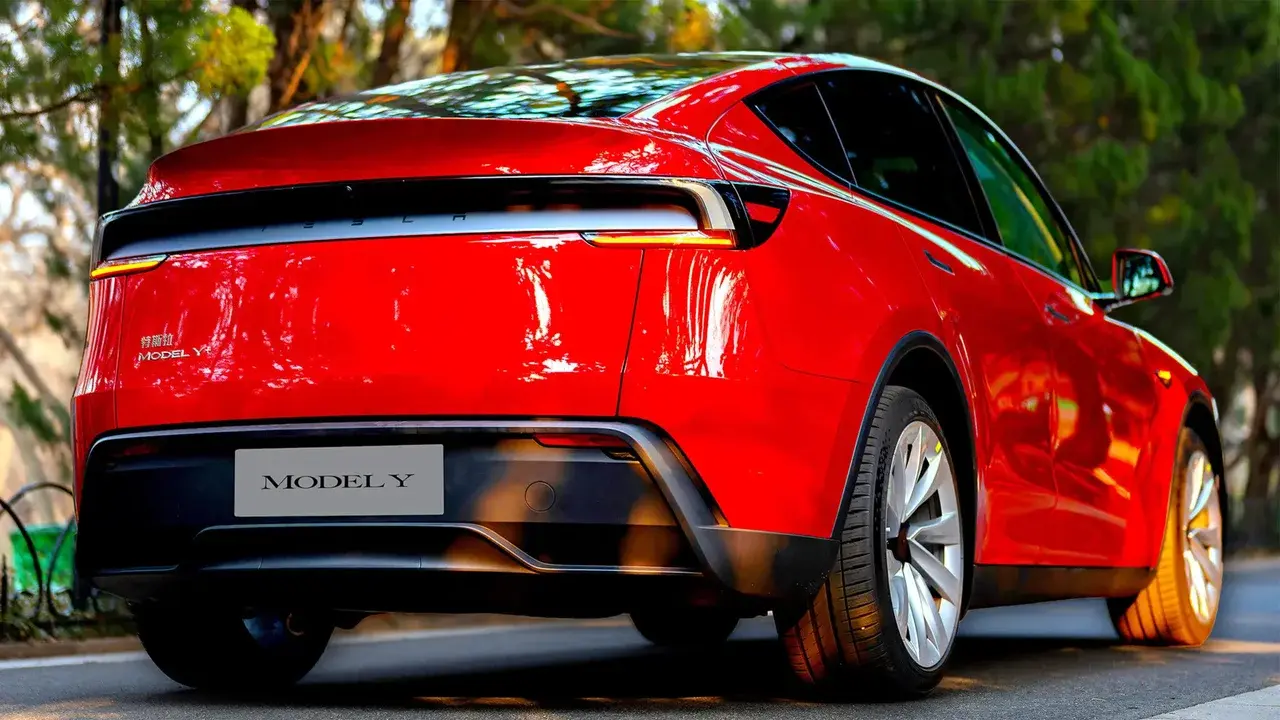
New market data from Mobility Global confirms that the average price of electric vehicles (EVs) has officially dropped below that of hybrid cars, marking a significant shift in the global automotive landscape. As of last year, the average price for an electric model fell to approximately $37,000, while hybrid vehicles saw their average costs rise by 16 percent to reach $39,000. This milestone represents a major transition for consumers who have long viewed hybrids as the primary economic bridge between internal combustion engines and fully electric transportation. The trend is being driven by rapid advancements in manufacturing efficiency and a global push toward sustainable mobility.
- Average electric vehicle prices have declined to $37,000 while hybrid prices rose to $39,000.
- Falling lithium-ion battery costs, which account for up to 40 percent of total vehicle expenses, primarily drive this price reduction.
- Chinese manufacturers have significantly expanded their global market share by exporting over 1.6 million electric units last year.
- Rising global oil prices have further accelerated consumer demand for cost-effective electric alternatives.
The era where electric vehicles were considered a premium luxury option is coming to an end as market parity is finally achieved.
Lithium-Ion Battery Costs Have Decreased Significantly
The primary catalyst for this price shift is the consistent decline in battery production costs between 2020 and 2025. Industry reports indicate that lithium-ion battery prices have plummeted by 37 percent during this five-year period. Since battery packs constitute between 30 and 40 percent of the total manufacturing cost for an EV, these savings are directly passed down to the consumer. 
BloombergNEF attributes this development to massive overcapacity in China, which currently controls roughly 80 percent of the world’s battery supply chain. Furthermore, the industry is increasingly adopting lithium-iron-phosphate (LFP) batteries. These units are highly favored because they are cobalt-free and offer better resistance to volatile raw material price fluctuations. 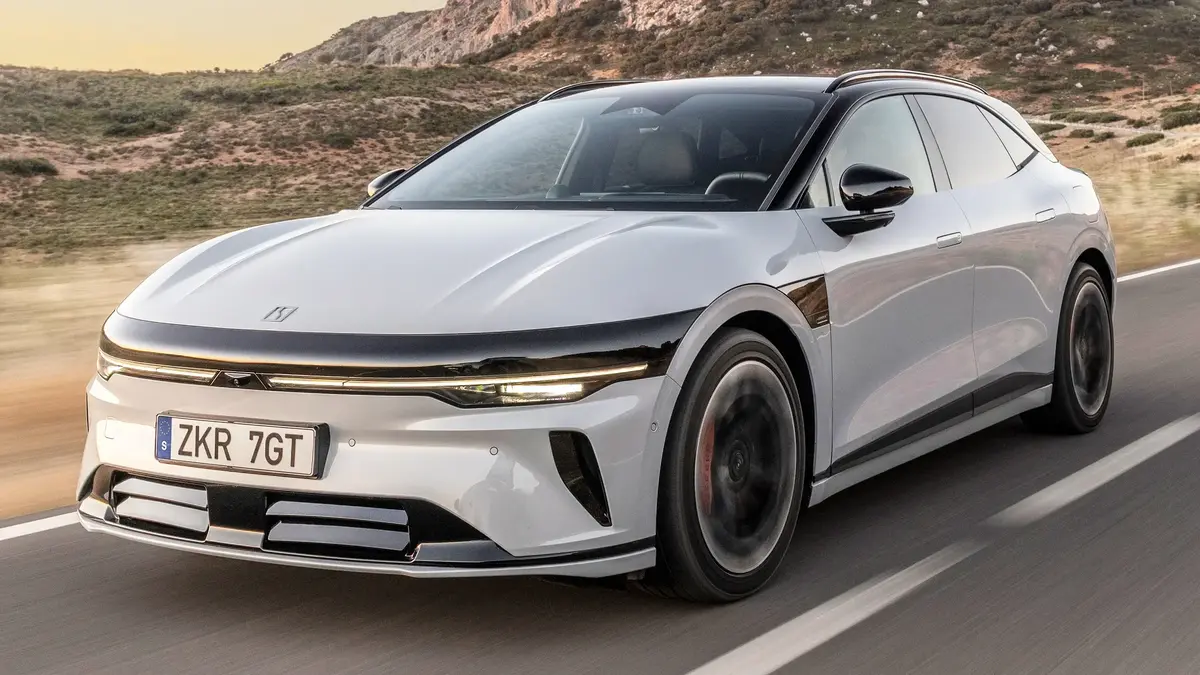
Major Automotive Manufacturers Are Adopting New Technologies
Legacy automotive giants, including Renault and Volkswagen, have officially announced their transition to LFP battery technologies to maintain competitive pricing. This strategic pivot allows these manufacturers to align their cost structures with the aggressive expansion strategies employed by Chinese firms. In just a few years, the volume of electric cars exported from China has exploded from under 100,000 units in 2020 to over 1.64 million units last year.
This surge in supply has made electric models far more accessible in emerging markets across Southeast Asia and South America. As competition intensifies, the price gap between traditional combustion engines and electric alternatives continues to narrow globally.
Global Market Dynamics Influence Consumer Purchasing Choices
Economic pressures, particularly the rising cost of fuel linked to geopolitical instability in the Middle East, have changed how buyers evaluate their next vehicle purchase. High gasoline prices have rendered the long-term operational savings of electric vehicles more attractive than ever. 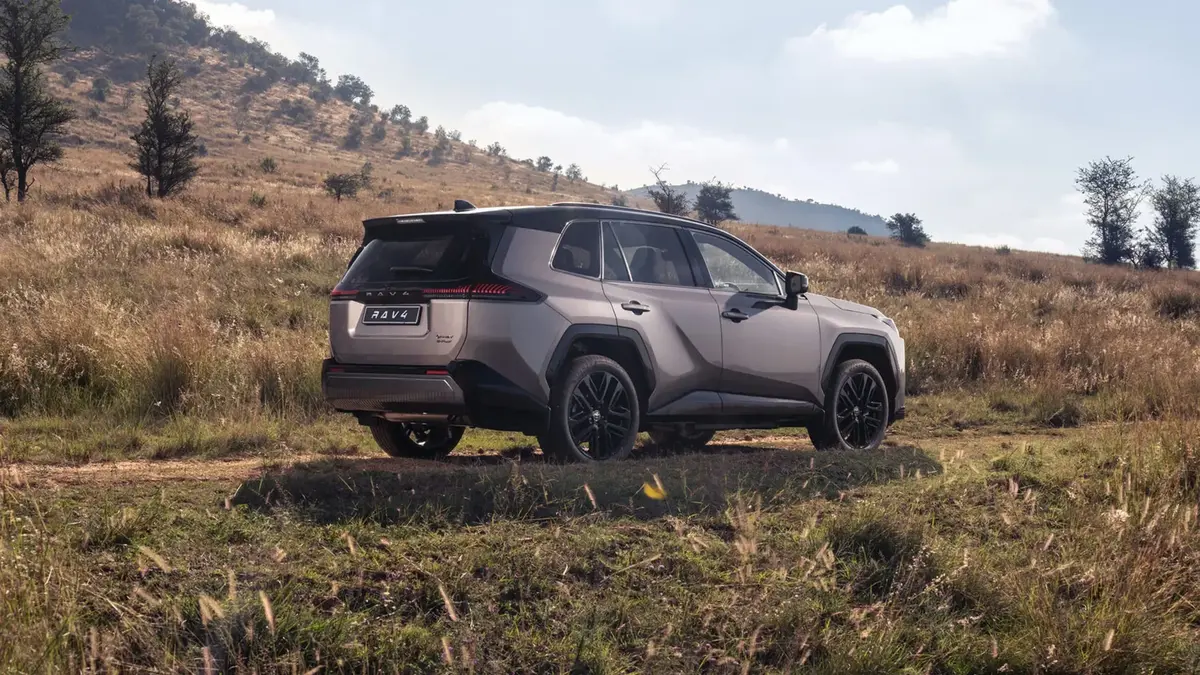
Consumers are increasingly choosing electricity over fossil fuels to secure long-term financial stability against volatile energy markets.
Current market trends suggest that while internal combustion engine vehicles face slight price increases, plug-in hybrid models are also experiencing price drops due to the widespread availability of cheaper battery components. As the technology matures, the market is poised to favor those who adapt to this electric-first reality.
We are curious to hear your perspective on this shift in the automotive market; do you believe this price parity will encourage you to make the switch to an electric vehicle, or are you still hesitant about the transition?
Your comment has been submitted,
it will be published after approval.