

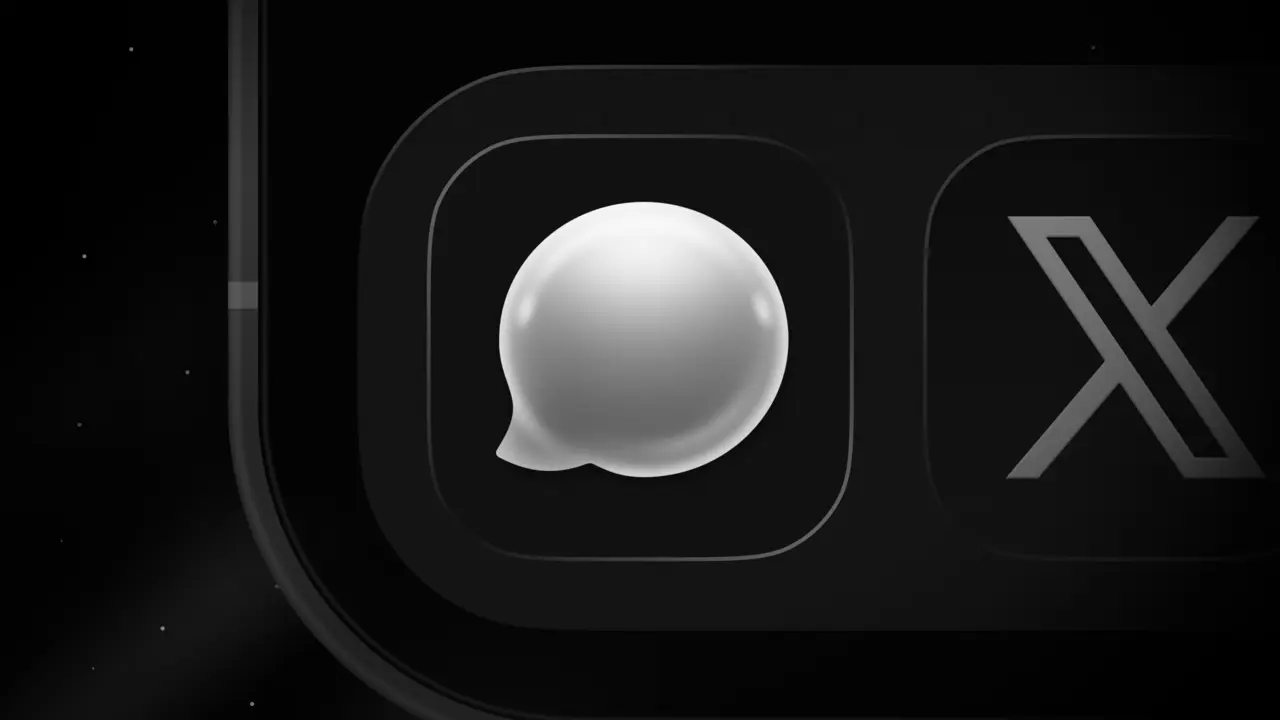
The standalone messaging application of the X platform, XChat, has finally received its highly anticipated official release date. As one of the most critical steps in Elon Musk’s vision to transform the social media giant into an all-encompassing digital ecosystem, this new communication platform will operate independently from the main X app.
According to leaked App Store listings and internal verification reports, the application will be officially available for download for iPhone and iPad users on April 17. This innovative service, which entered a closed beta process with a limited number of users via TestFlight last March and filled all its quotas within hours, aims to directly address modern messaging needs.
Ad-Free Communication with the Security-Focused XChat App
In an era where digital privacy and data security are increasingly debated, XChat promises users a “private and secure space focused on conversation.” According to official statements, there will be no advertisements within the app, and no third-party trackers following user habits will be present.
Built entirely from scratch using the Rust programming language and protected by a custom end-to-end encryption infrastructure based on Bitcoin encryption logic, the platform brings a new dimension to security. According to leaked screenshots, other notable security features include screenshot blocking and self-destructing disappearing messages after they are read. This allows users to have much more control over their data compared to competitors.
Voice Notes, Video Calls, and Advanced Group Chats
Going far beyond being just a text-based app, XChat incorporates all the multimedia capabilities expected from a modern communication service. Users will be able to perform high-quality voice and video calls using only their X accounts, without having to share their private phone numbers with anyone.
Additionally, the practical voice notes feature—which was removed from the main app in recent months to user backlash—is returning with a brand-new and more stable interface within this standalone app. Whether in one-on-one private messages or crowded group chats, users can practically send voice messages by holding the microphone icon or swiping up, and share all types of large file formats without compression or quality loss.
The Super-App Strategy and Its Place in the X Ecosystem
Many may ask, “Since there is already a Direct Message (DM) inbox inside X, why is a separate app needed?” The answer lies in Elon Musk’s long-discussed strategy to create a “super-app” similar to WeChat in the Asian market. While the company dedicates the main app’s feed to global news, content creators, and open discussions, it plans to handle messaging, future digital payment systems, and advanced AI integrations through this independent communication layer.
While the app will initially be released only for the iOS ecosystem (iPhone and iPad) on April 17, it is considered certain that it will be released for Android users in the near future. Only time will tell how much this platform, preparing to take its place in the App Store with its new and detailed icon, will affect the market share of giants like Telegram and WhatsApp.
As an academic researcher focusing on communication studies, do you think this shift toward “decentralized” encryption based on Bitcoin logic will restore user trust in social media platforms, or is it another step toward digital fragmentation? Since you follow tech journalism and use an ultrawide PC setup, would you like me to check if XChat will launch with a native Windows/macOS client for desktop productivity? Let me know!