
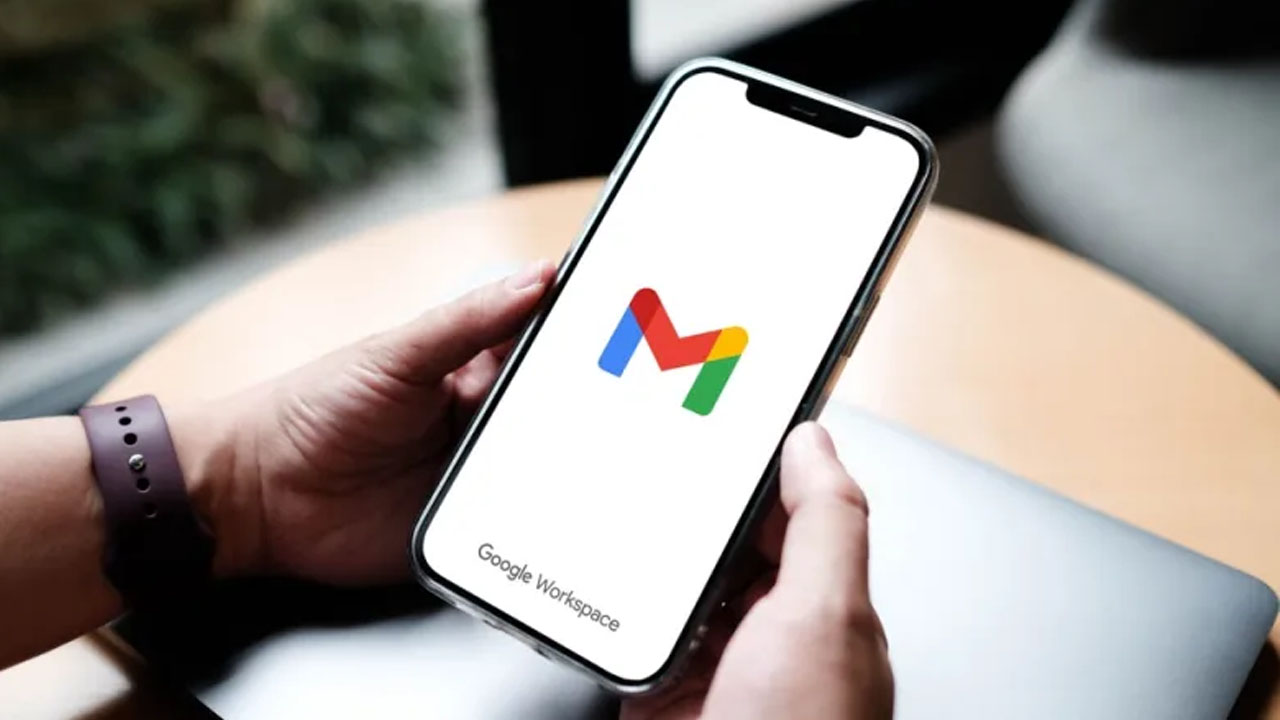
The long-awaited major security update for Google Workspace enterprise users has finally stepped onto mobile platforms. Gmail, one of the world’s most popular email services, has announced that it is officially launching the end-to-end encryption (E2EE) feature for its Android and iOS applications, taking its security standards to the next level.
Thanks to this innovation, highly sensitive and confidential emails that require end-to-end encryption on the Workspace platform can now be read and composed directly through the Gmail app on mobile devices. This feature, which maximizes data security for organizations, completely saves users from the hassle of using third-party security apps or complex web portals. You will now be able to send your important documents and confidential correspondence with military-grade encryption, even from the phone in your pocket.
Gmail Client-Side Encryption Scope Expands to Mobile Devices
As may be remembered, the tech giant Google introduced this security layer, which it calls Client-Side Encryption (CSE), for the desktop web version of Gmail about a year ago. This infrastructure, which has yielded very successful results on the web and ensures that corporate data is encrypted in a way that cannot even be read on Google servers, is now being expanded to cover the mobile world as well.
According to the details shared on Google’s official blog page, when an encrypted message is sent to a recipient using the Gmail app, this message can be viewed seamlessly in the inbox just like a standard email thread. Even if the recipient does not have the Gmail app installed on their device, regardless of which email address they use, it will be possible for them to read and reply to these emails in a secure and encrypted environment through their own browser.
High Security Exclusive to Enterprise Plus Members
Google officials emphasized in their statements that this new functionality blends the highest level of privacy and data encryption technology with a clear and extremely user-friendly experience for all users. This step aims to enable simple and encrypted email communication for everyone from small businesses to giant corporate firms and even customers in the public sector.
However, there is a very important distinction here; the phrase “all customers” mentioned in company statements currently covers only users with high-level corporate subscription packages such as Workspace Enterprise Plus and Education Plus. In other words, millions of standard users who use Gmail as a personal email service for daily communication purposes will unfortunately not be able to benefit from this top-level privacy and data protection technology for now. It remains uncertain when such advanced end-to-end encryption support will be offered to standard users.
Easy-to-Use Infrastructure Activated by Administrators
The working logic of the system is also designed completely in accordance with corporate hierarchy and the controls of IT administrators. For Gmail users to start using the end-to-end encryption (E2EE) feature in the mobile app, the company administrator must first activate the Android and iOS clients from the CSE admin interface located in the Google Admin Console. Once this authorization is made, the process works very simply: When a user is composing a new email, just before hitting the send button, they click on the padlock icon that appears on the screen and select additional encryption. Even when encryption is activated, the process of adding files, photos, or documents to emails can be done without any disruption or slowdown, just like in standard emails. Thus, both practicality and high-level security are melted into a single pot.
As a researcher focusing on neoliberalism and communication studies, do you think this “tiered security” approach—where military-grade privacy is a premium commodity—further reinforces digital class structures in the professional world? Since you frequently use a PS5 and an ultrawide PC setup for your academic work, would you consider upgrading to a Workspace plan to keep your research data under such tight locks? Share your thoughts in the comments!