
EU Mandates Mandatory Labeling for Artificial Intelligence Content

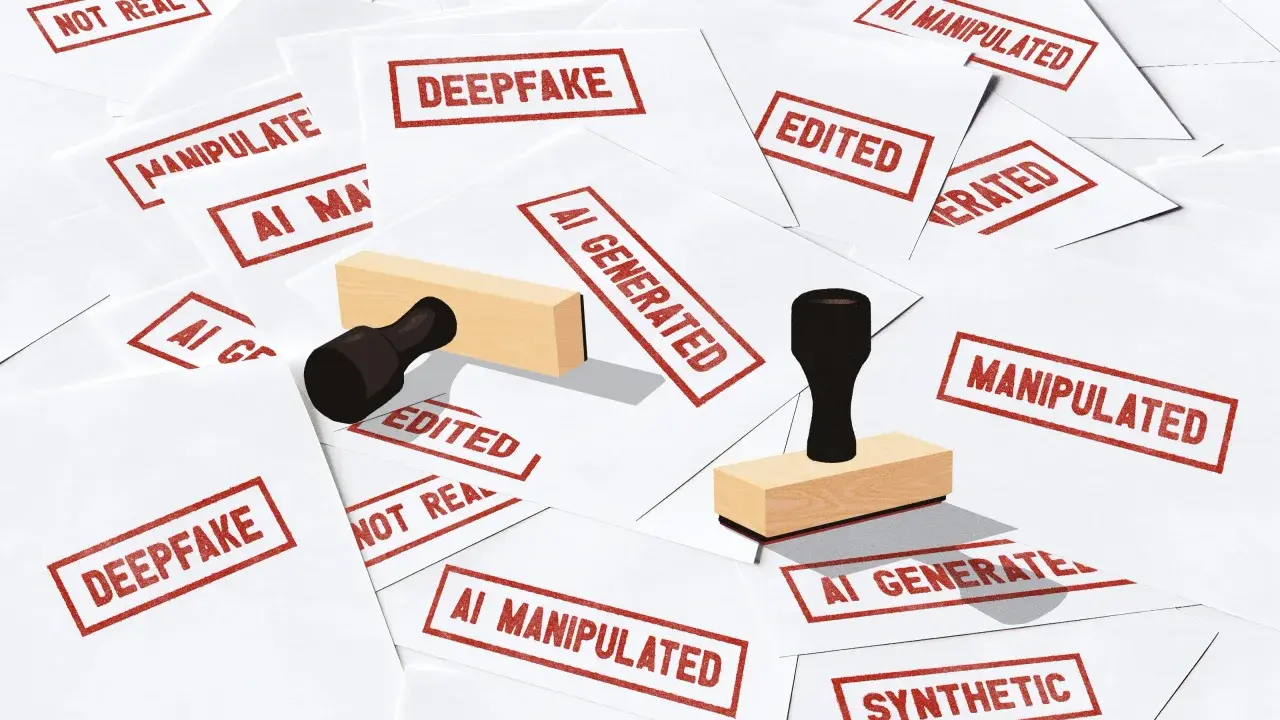
The European Union has officially introduced comprehensive transparency regulations requiring that all artificial intelligence content be clearly labeled to ensure digital accountability. Effective immediately under the new framework, creators and technology companies operating within the EU must disclose when materials are generated by AI systems. This legislative move aims to empower citizens to distinguish between authentic human-made content and synthetic media, thereby curbing the spread of AI-driven misinformation. Organizations are now legally obligated to identify chatbots and AI-generated text or images, with a compliance deadline set for December 2, 2026, to ensure public trust in the digital ecosystem.
- The European Union now mandates that all AI-generated content must carry clear labels to ensure transparency for end-users.
- Companies failing to implement effective identification methods such as watermarking face significant financial penalties for non-compliance.
- Large technology firms including Meta, Google, and TikTok have already begun integrating digital labeling tools to align with these new requirements.
- The regulation grants exemptions for artistic, creative, and satirical works while focusing heavily on mitigating the risks associated with deepfakes.
New Rules Enhance Digital Transparency
The core objective of these regulations is to combat the unprecedented scale of misinformation fueled by generative artificial intelligence. By requiring labels on content that has not undergone human editorial review or that impacts the public interest, the EU seeks to restore confidence in digital media. 
These mandates strictly prohibit the covert deployment of biometric categorization tools without informing the affected individuals.
Tech Giants Adjust Their Platforms
Leading global technology corporations have proactively adopted various identification strategies to meet these stringent standards. TikTok has implemented requirements for creators to tag synthetic videos, while Meta has introduced specific information labels for AI-generated posts across Facebook and Instagram. Meanwhile, Google is collaborating with industry heavyweights such as OpenAI, Nvidia, and Apple to develop standardized digital watermarking technologies that verify the origin of digital assets.
Despite these technological advancements, some industry experts have raised concerns regarding the complexity of the compliance process. Critics argue that excessive labeling could clutter the user interface, potentially obscuring the context rather than clarifying it. However, proponents like Ashley Casovan of the International Association of Privacy Professionals suggest that these challenges are temporary hurdles in a necessary evolution toward a safer digital environment.
Compliance Deadlines Shape Future Strategies
The transition period for existing AI systems ends in late 2026, granting companies sufficient time to integrate sophisticated detection tools. EU officials have emphasized that deepfake technology remains a primary area of concern due to its potential to manipulate public opinion and deceive users. While personal, non-professional use is excluded from these mandates, the broader impact of this policy is expected to reshape how digital platforms operate globally.
Do you believe that mandatory AI labeling will effectively restore your trust in the content you encounter online, or do you find these new regulations to be an unnecessary complication?
Your comment has been submitted,
it will be published after approval.