
Fake WhatsApp App on Google Play Hits 500,000 Downloads

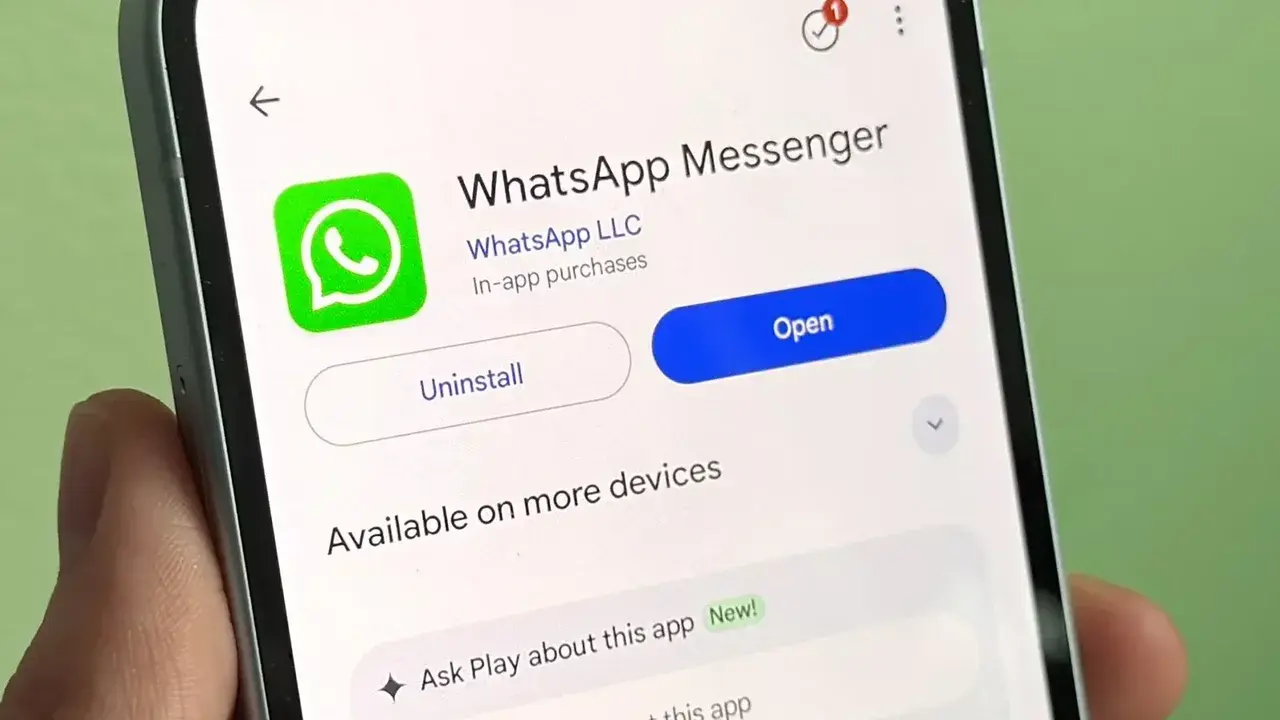
A deceptive fake WhatsApp application recently surfaced on the Google Play Store, managing to trick over 500,000 users into downloading it. The malicious software, identified as being published by an account named ‘Agment Assets sallu,’ mimics the official messaging service by replicating its interface, design, and promotional imagery. By appearing in sponsored search results, the fake application successfully misled a massive number of users who believed they were installing the legitimate communication tool. This incident highlights a significant security oversight regarding how potentially harmful applications can bypass detection mechanisms and gain widespread reach on the popular Android platform.
- The fake application successfully accumulated over 500,000 downloads by impersonating the official WhatsApp service.
- The malicious software leveraged the Google Play early access program to bypass public user review visibility.
- Sponsored search results allowed the deceptive application to appear above the legitimate version of the software.
Early Access Programs Facilitate Security Risks
The rapid spread of this fraudulent application is largely attributed to the exploitation of Google Play’s early access program. This specific feature prevents users from viewing public reviews, which serves as a critical barrier for those attempting to verify the authenticity of an app before installation. By operating under this status, the developer effectively silenced potential warnings from early victims, making it significantly harder for the community to flag the software as a threat. 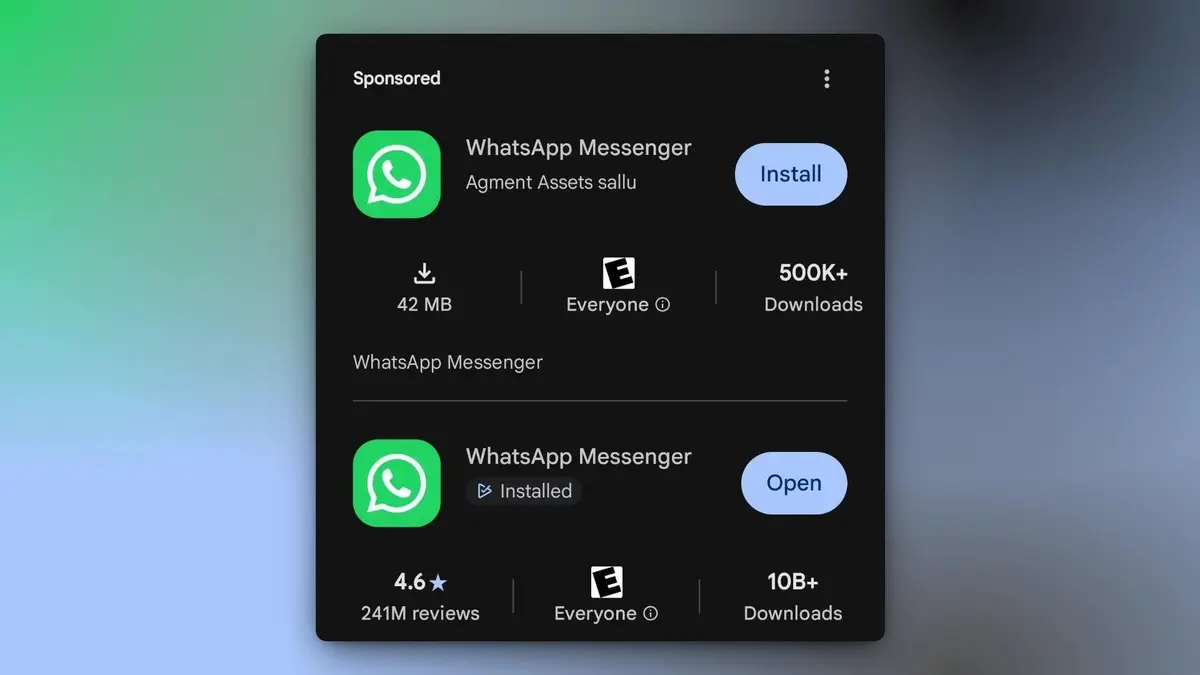 This lack of transparency allows malicious actors to operate with impunity while compromising the security of unsuspecting users’ devices.
Design Replication Challenges User Verification
The sophisticated nature of the forgery makes visual distinction between the fake app and the official one nearly impossible for the average consumer. The developers behind the fraudulent software meticulously copied the original WhatsApp screenshots, branding, and descriptive texts to gain legitimacy. Furthermore, the developer account ‘Agment Assets sallu’ hosts no other applications, which is a common red flag in digital security. Legitimate software companies typically maintain a diverse portfolio and a verifiable history, whereas this isolated account suggests a singular intent to deceive.
Sponsored Results Compromise Store Integrity
Perhaps most concerning is that the fake application appeared in sponsored search results, often ranking higher than the official WhatsApp platform, which boasts over 10 billion installations. This placement creates a false sense of trust, leading users to assume that the application is verified by the store’s administrators. The ability for a malicious entity to purchase visibility in search results poses a severe threat to the overall integrity of the Google Play ecosystem. At the time of reporting, the application remained live on the store, raising questions about the effectiveness of current automated filtering systems.
Security Experts Recommend Stricter Vigilance
Digital security experts emphasize that users must exercise extreme caution when downloading apps from unknown sources, especially those labeled as early access. It is vital to verify the developer’s identity, check the history of their published apps, and look for inconsistencies in branding or functionality. As cybercriminals continue to refine their tactics for infiltrating mobile devices, the responsibility for maintaining digital safety remains a shared burden between platform providers and end-users. Increased scrutiny and more robust vetting processes are essential to prevent further exploitation of store features.
Have you ever encountered a suspicious app on the Google Play Store, or do you have tips for identifying fake software before it reaches your device? Share your experiences and thoughts in the comments section below to help keep our community informed.
Your comment has been submitted,
it will be published after approval.