
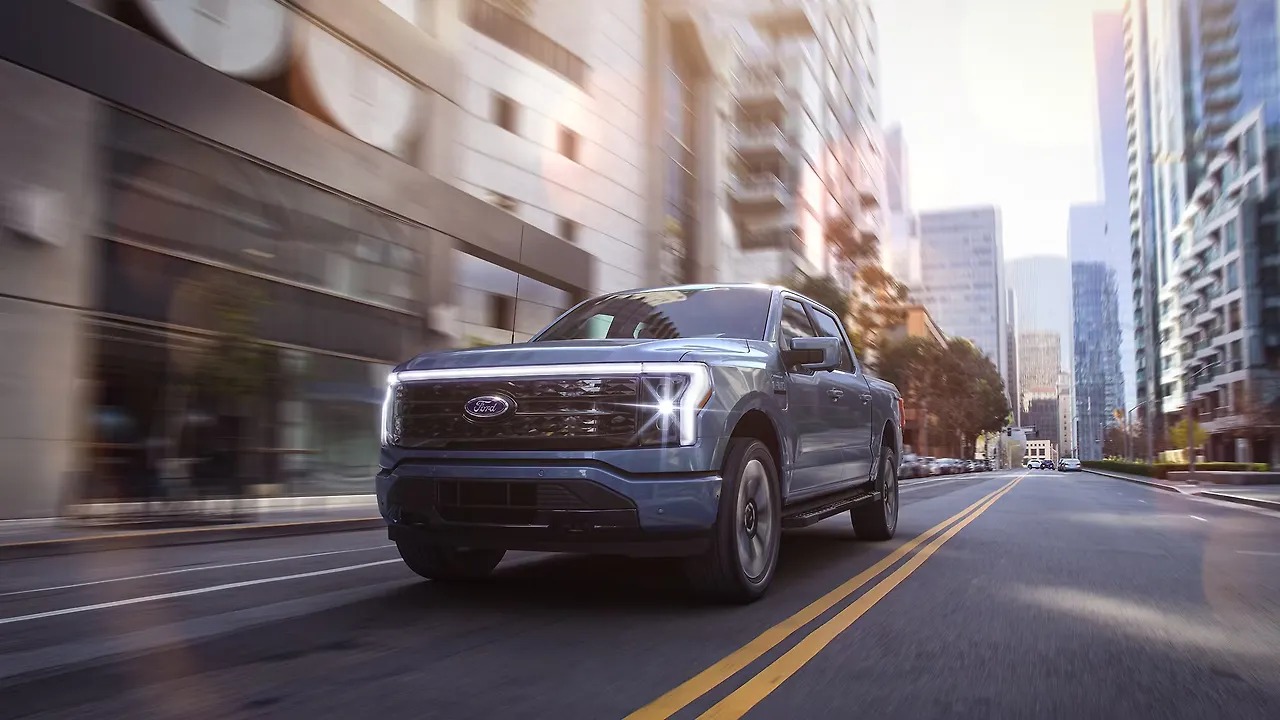
Ford has temporarily stopped building the F-150 Lightning, its flagship electric truck. The pause comes as the company’s EV division continues to lose billions and buyers show limited interest in electric pickups. Instead of pushing forward at full speed, Ford is taking a step back channeling more effort into hybrid vehicles while reevaluating its EV plans.
F-150 Lightning production pause shows EV challenges

The F-150 Lightning debuted with strong hype, positioned as the electric evolution of America’s best-selling truck. But after the buzz faded, real-world interest dropped off. EV trucks remain a tough sell. They’re expensive, and charging infrastructure still lags behind. For truck owners who need to haul heavy loads or drive long distances, range and charger access are dealbreakers.

Anker’s compact 70W Zolo Charger with 4 ports is now available in parts of Europe, offering triple USB-C and USB-A output.
Ford shifts focus from EVs to hybrids
Losses from the electric vehicle business have forced Ford to adjust. The company is cutting costs, delaying EV rollouts, and shrinking production goals. At the same time, hybrids are seeing steady growth. Buyers trust them more, and they offer a safer return for automakers. For now, Ford sees hybrids as the more reliable bet.
Why Ford F-150 Lightning lost momentum
- Early excitement faded as practical concerns grew
- Higher pricing compared to gas trucks
- EV range isn’t ideal for towing or rural use
- Charging access still limited in many areas
- Policy rollbacks reduced purchase incentives
Ford F-150 Lightning future remains unclear
Ford isn’t ditching EVs altogether but it’s backing off the throttle. The company says it will keep building electric platforms, just on a different timeline. It’s a reset, not a retreat. Still, the Lightning’s fate depends on bigger forces: charging networks, battery tech, and whether buyers are ready to plug in.