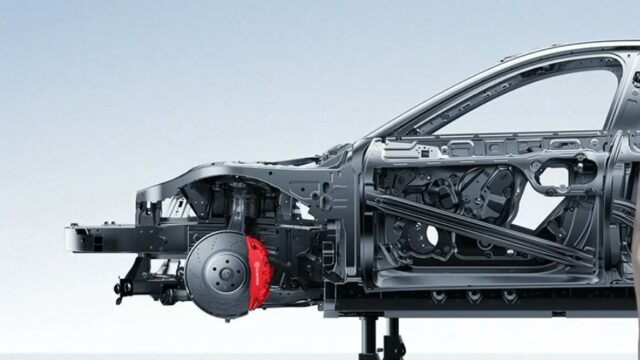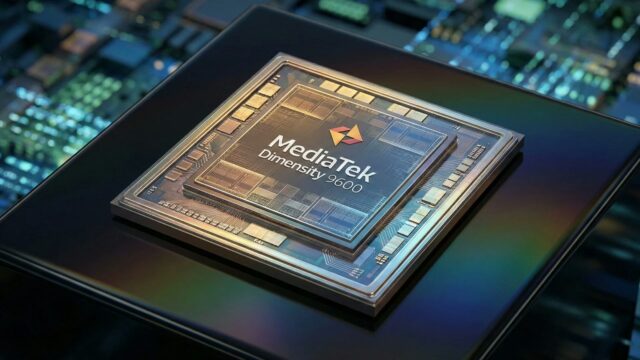


The boundaries between the automotive sector and the tech world are blurring every day. Vehicles, once judged solely by engine power, aerodynamics, and fuel efficiency, are transforming into hardware powerhouses with massive processing capabilities. Recent statements from Sanjay Mehrotra, CEO of Micron—one of the world’s leading memory manufacturers—highlight the mind-boggling hardware requirements of future automobiles.
Why 300 GB of RAM? The Infrastructure of Autonomous Driving
Currently, a modern car typically functions with around 16 GB of RAM for its infotainment system and basic driver assistants. However, as the industry prepares for the transition to Level 4 (L4) autonomous driving, this equation is set to change entirely. Level 4 autonomy implies that a vehicle can handle complex tasks, such as navigating busy intersections or making split-second decisions in difficult traffic, without human intervention.
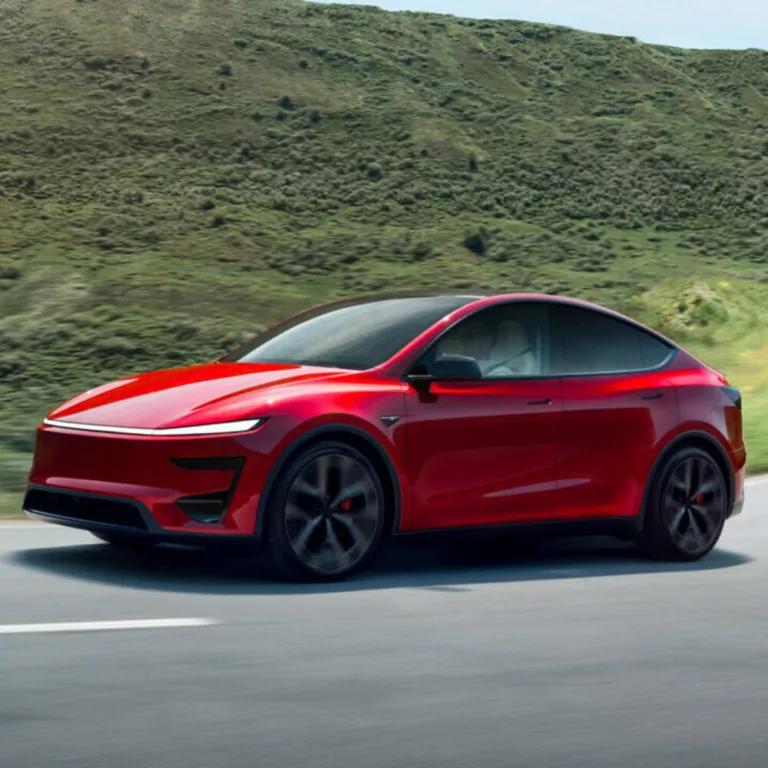
To achieve this, the vehicle must process terabytes of data from cameras, LiDAR sensors, and radars in milliseconds while running deep learning algorithms flawlessly. Essentially, L4 autonomous vehicles are designed as “supercomputers on wheels,” requiring high-speed memory pools as large as 300 GB to manage this massive data throughput.
Micron’s Financial Surge and Mega-Investments
Micron’s projection is backed by significant financial growth. The company reported an incredible $23.86 billion in revenue for the second quarter of this year—a 200% increase driven primarily by the extreme demand for high-end HBM (High Bandwidth Memory) chips used in AI data centers.
Micron is utilizing this cash flow to expand production capacity in Japan, Singapore, and New York, where a “megafab” project is underway. These facilities are expected to reach full capacity between 2028 and 2029, positioning the company to meet the hardware appetite of the autonomous revolution.
Industry Synergy: NVIDIA and the Risk of a New Chip Crisis
The demand is also mobilizing chip design giants. NVIDIA has announced collaborations with global automakers like BYD, Geely, Isuzu, and Nissan for its “NVIDIA Drive Hyperion” platform. Such complex architectures rely directly on the massive memory pools described by Micron.
However, a darker scenario looms: if production cannot scale in time, the high RAM requirements of millions of L4 vehicles could trigger a new and much more severe “memory crisis,” destabilizing the global hardware market and sending prices soaring across the tech industry.
While legal regulations and production costs for Level 4 vehicles are still evolving, the autonomous future is approaching fast. How do you feel about your future car having more RAM than the most powerful gaming PCs today? Share your thoughts in the comments!