
A new air-powered display technology is challenging our conventional understanding of electronics. While electricity is typically explained using water as an analogy, some systems have taken this literally, using fluids to build logic circuits. However, liquids like water present challenges such as leaks and physical stress. Now, a new project demonstrates that gases, specifically air, can be used to create functional devices, opening up a new frontier in soft robotics.
How Does Air-Powered Display Technology Work?
The concept has been brought to life by YouTuber Soiboi Soft, known for his work in the field of soft robotics. In his latest project, he ventures into microfluidics to design a device powered entirely by air. Instead of using electrical signals to light up pixels, this system uses air pressure and vacuum to physically alter them, creating a visual output without conventional power sources.
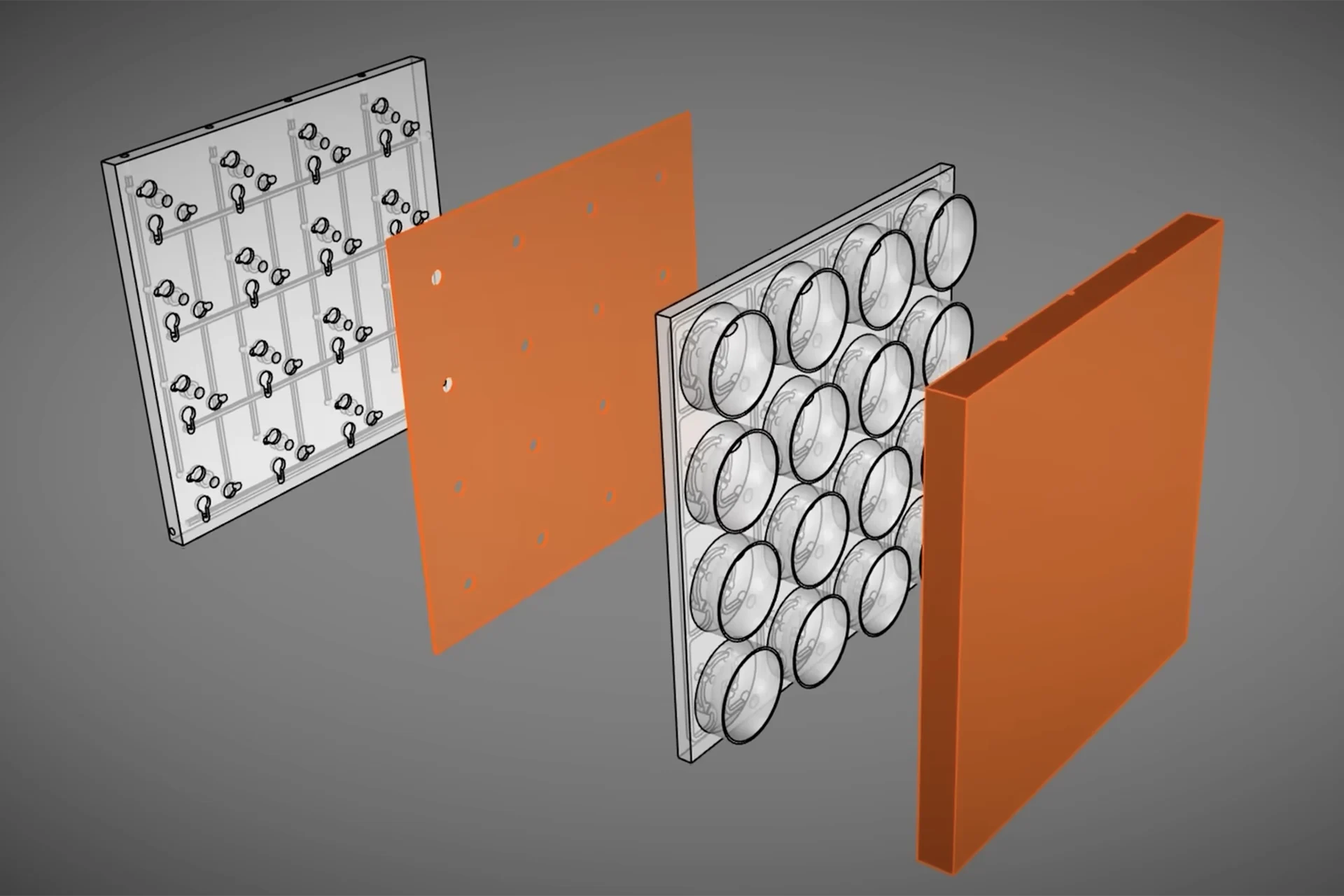
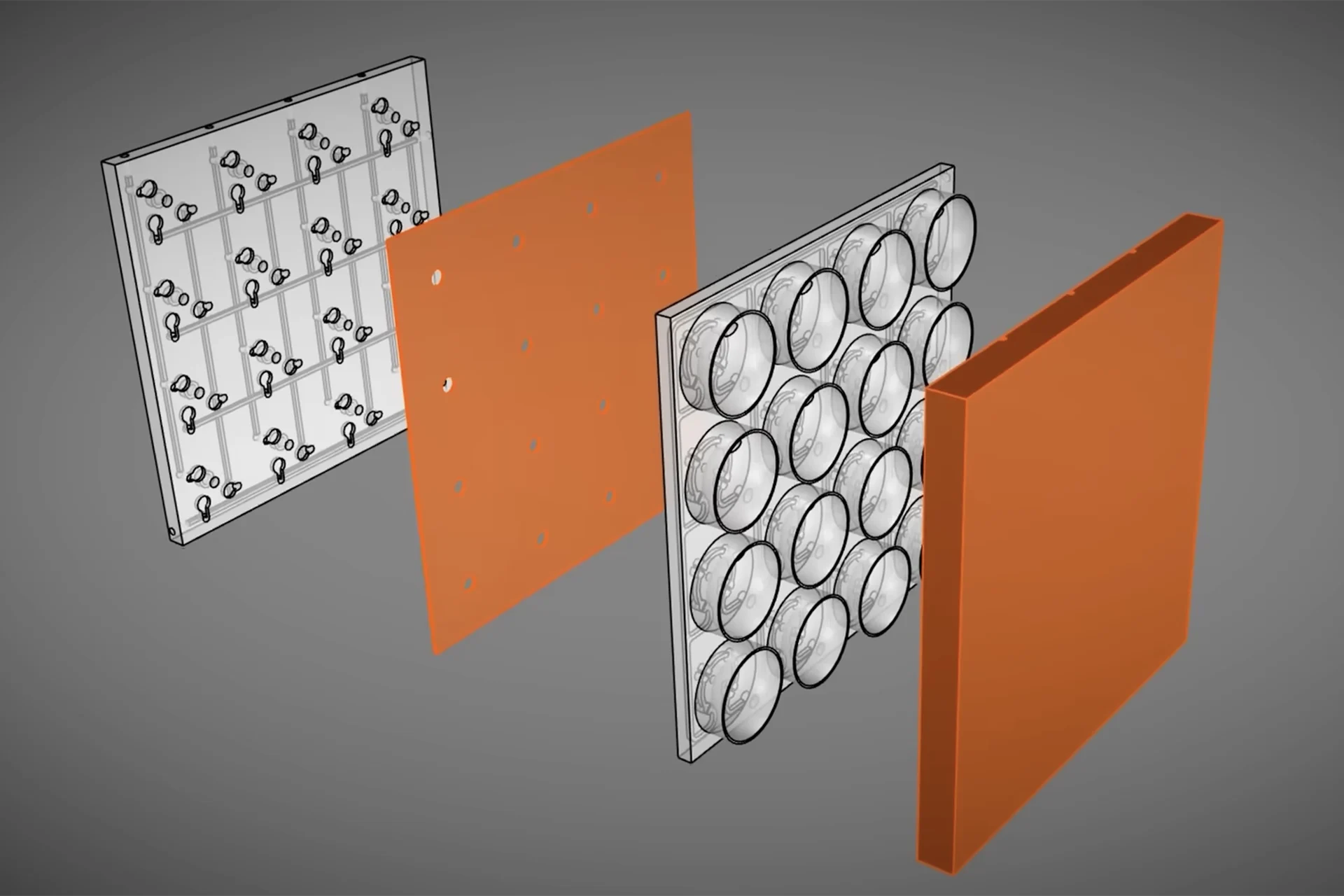
The display is made of hydraulic pixels, each controlled by a dedicated solenoid valve that inflates or deflates it. Interestingly, the system operates on an inverted logic. When a pixel’s cell is empty of air—meaning a vacuum is applied—it represents the “on” command. This vacuum pulls a silicone membrane inward, creating a small hemispherical pit that forms the visible part of the pixel.
The Power of Silicone and Vacuum
Scaling this system from a single pixel to a full display requires a complex network of pneumatic tubes. The pixels are arranged in a grid, with each row and column connected to its own vacuum pump. For a single pixel to activate, both its corresponding row and column lines must be active. This is achieved using a simple AND gate made of two vacuum transistors, a design that cleverly mimics the layered architecture of modern silicon chips.
In the demonstration video, Soiboi Soft successfully operates a 4×4 grid of silicone pixels to display the message “Hi world!” and various facial expressions. He even suggests that a hydraulic version of the classic game Snake could be created with this technology. Beyond the technical achievement, the project offers a unique sensory experience; the hissing and clicking sounds of the vacuum lines create what many viewers have described as a hypnotizing ASMR experience.
So, what are your thoughts on this air-powered display technology? Share your opinions with us in the comments!