


Samsung is reportedly working on a major upgrade that will fundamentally change the authentication system for its flagship Galaxy S27 Ultra, which will be released in 2027. This early rumor, coming from an as-yet-unreliable source, suggests Samsung may abandon its current simple 2D image-scanning facial recognition mechanism in favor of a far superior solution.
Polarized Light Authentication: Polar ID v1.0
A source on the X platform, using the username @SPYGO19726, claims to have encountered references to “Polar ID v1.0” under the biometric security framework in early test software for the Galaxy S27 Ultra. Internal logs identify this system as a “polarized light-based authentication system.”
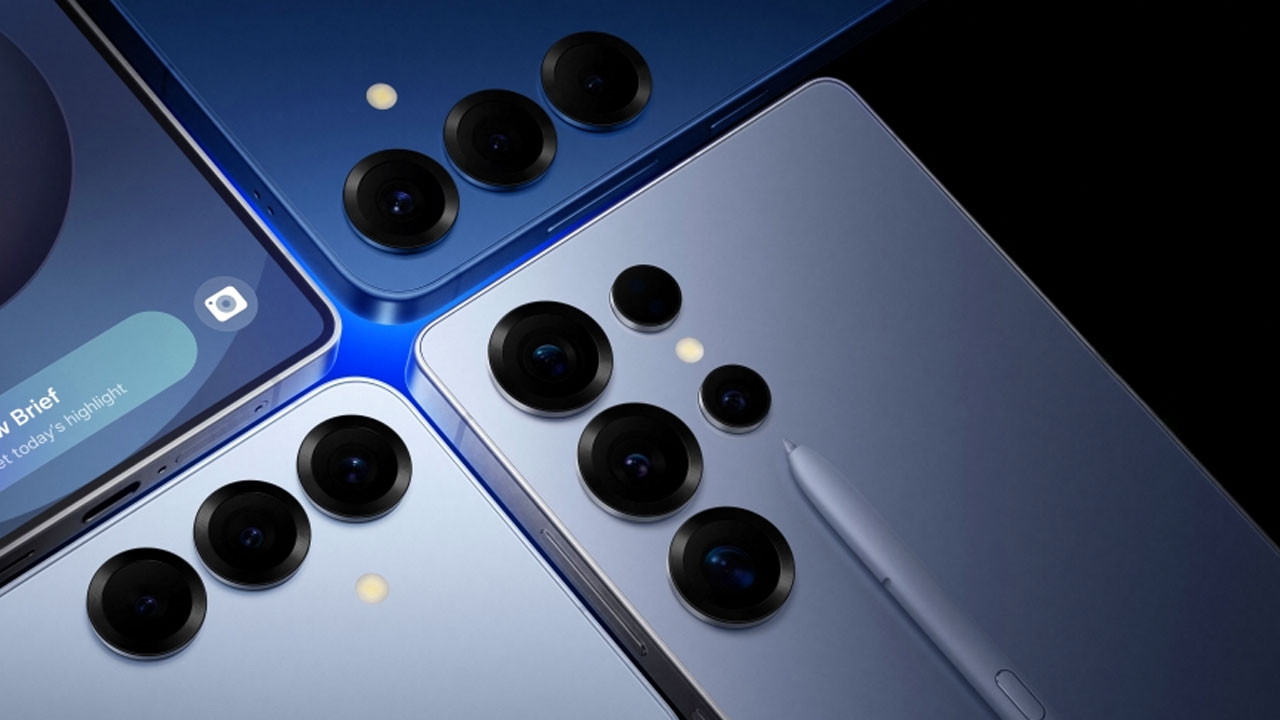
This new method is claimed to utilize a high-resolution polarization signature, providing significantly better protection against counterfeiting. Polar ID is said to be linked to the front-facing ISOCELL Vizion sensor and a new secure zone routine labeled BIO-Fusion Core. This facial authentication mechanism is claimed to offer a low unlocking latency of 180 milliseconds.
Most importantly, the system is said to theoretically work in most lighting conditions, even when the user is wearing a mask or sunglasses. If these rumors are true, using polarized light would be significantly more secure than existing solutions that rely on simple 2D camera scanning.
This technology could also potentially offer a more flexible and compact alternative to systems like Apple’s Face ID, which provide detailed 3D mapping of the face but require large and complex infrared (IR) sensor hardware. Polarized light can quickly detect spoofing attempts by detecting the unique skin signature.
However, this information should be taken with a grain of salt for now, given that the leaker’s previous Galaxy S26 Ultra camera claims sparked controversy with other industry leakers, and the Galaxy S27 Ultra’s release is still a long way off.