

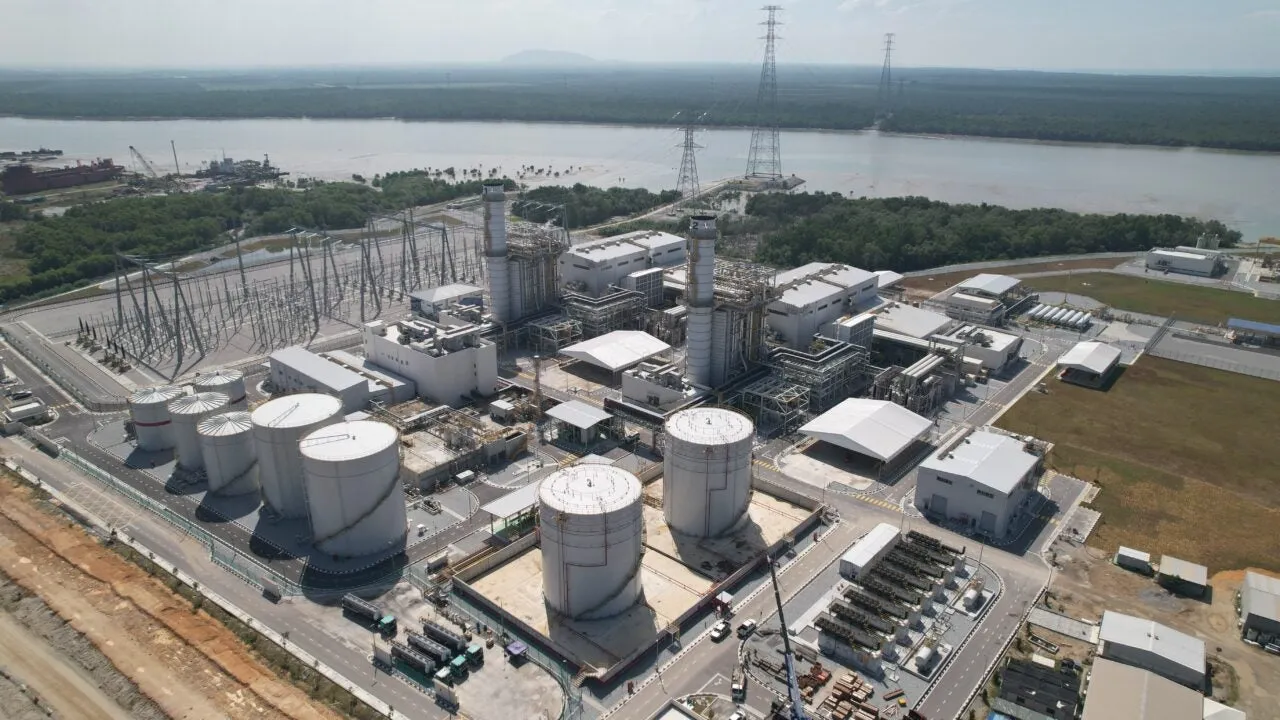
Meta won approval to power its largest Louisiana data center with gas power plants, and the decision has stirred debate over money and emissions.
Gas Power Plants to Drive Meta’s Expansion
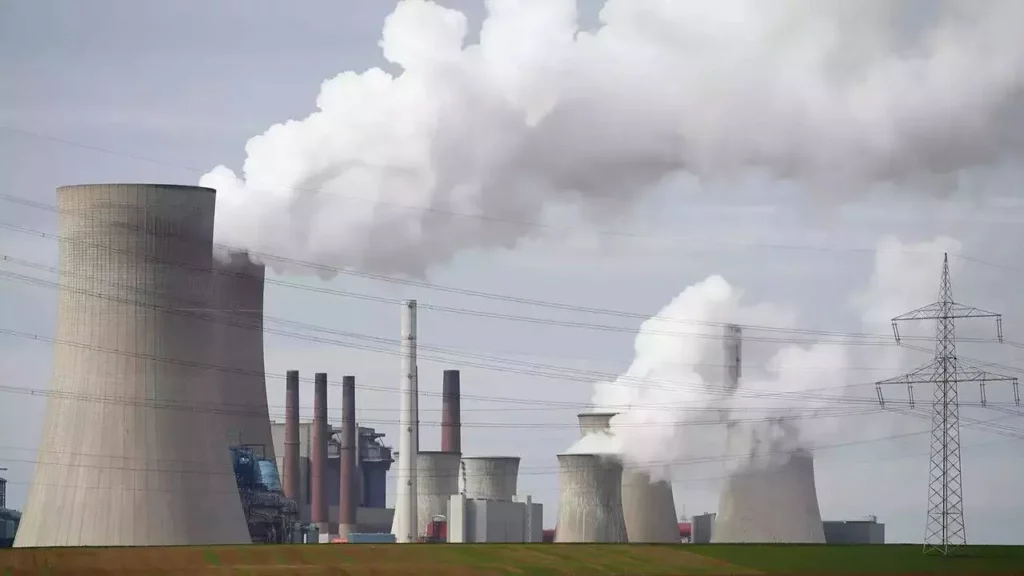
Entergy plans to bring three new gas power plants online in 2028 and 2029, producing 2.25 gigawatts of power. Once complete, Meta’s facility could consume up to 5 gigawatts, rivaling the demand of entire cities. This explains why Entergy chose natural gas facilities instead of relying only on renewable projects.

Ecosia proposes a 10-year stewardship of Google Chrome, pledging billions for climate projects instead of a big-tech takeover.
Rising Costs and Community Concerns
Critics worry that the 15-year deal shifts financial risk to residents once the contract ends. Because natural gas plants often run for decades, locals fear long-term expenses will outlast Meta’s commitment. In addition, ratepayers must cover a $550 million transmission line, increasing frustration. Industry groups also argue that Meta enjoys preferential treatment, while other companies cannot easily secure renewable energy for their operations.
Climate Goals vs. Gas Dependency
Meta continues to promote clean energy, most recently announcing a 100-megawatt solar purchase. However, environmental advocates argue that gas power plants threaten the company’s 2030 net-zero pledge. To maintain credibility, Meta must invest in costly carbon removal projects. Therefore, the reliance on fossil fuel generation creates tension between growth and sustainability.
Balancing Growth and Sustainability
Supporters highlight job creation and reliable electricity, but opponents warn that Louisiana risks decades of fossil fuel dependence. Moreover, this approval shows how AI-driven infrastructure can collide with climate pledges. Ultimately, the debate around gas power plants illustrates the challenge of balancing economic development with environmental responsibility.
At the same time, Louisiana regulators see the gas power plants as a way to secure energy stability during the state’s extreme weather seasons. Hurricanes and heat waves often strain the grid, and officials argue that natural gas provides a dependable backup when renewable sources fall short. Still, environmental groups counter that doubling down on fossil fuels locks the region into outdated energy systems rather than encouraging innovation.