

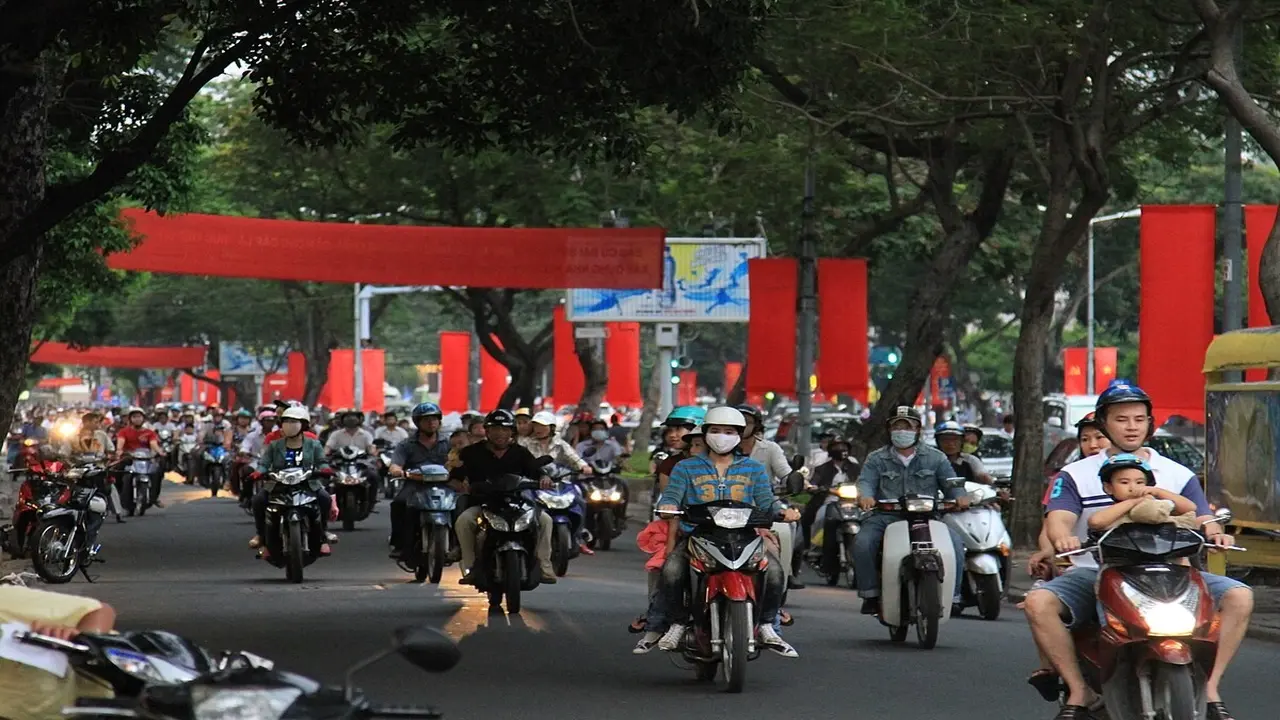
Vietnam is taking drastic steps to combat environmental pollution. In Hanoi, the country’s capital, the use of gasoline-powered motorcycles will be banned from the city center starting July 1, 2026. The ban, initially covering the Hoan Kiem and Ba Dinh districts, will be implemented within the boundaries of the area known as Ring Road 1. The prohibited areas are characterized by high traffic density, poor air quality, and are also major tourist areas.
Gasoline motorcycles banned in Vietnam
The Vietnamese government has initiated a process to transform urban traffic with environmentally friendly vehicles. This plan aims to replace gasoline-powered motorcycles with quiet, emission-free electric alternatives. The government describes this step as a transformation process and envisions the complete elimination of gasoline-powered motorcycles nationwide by 2045.
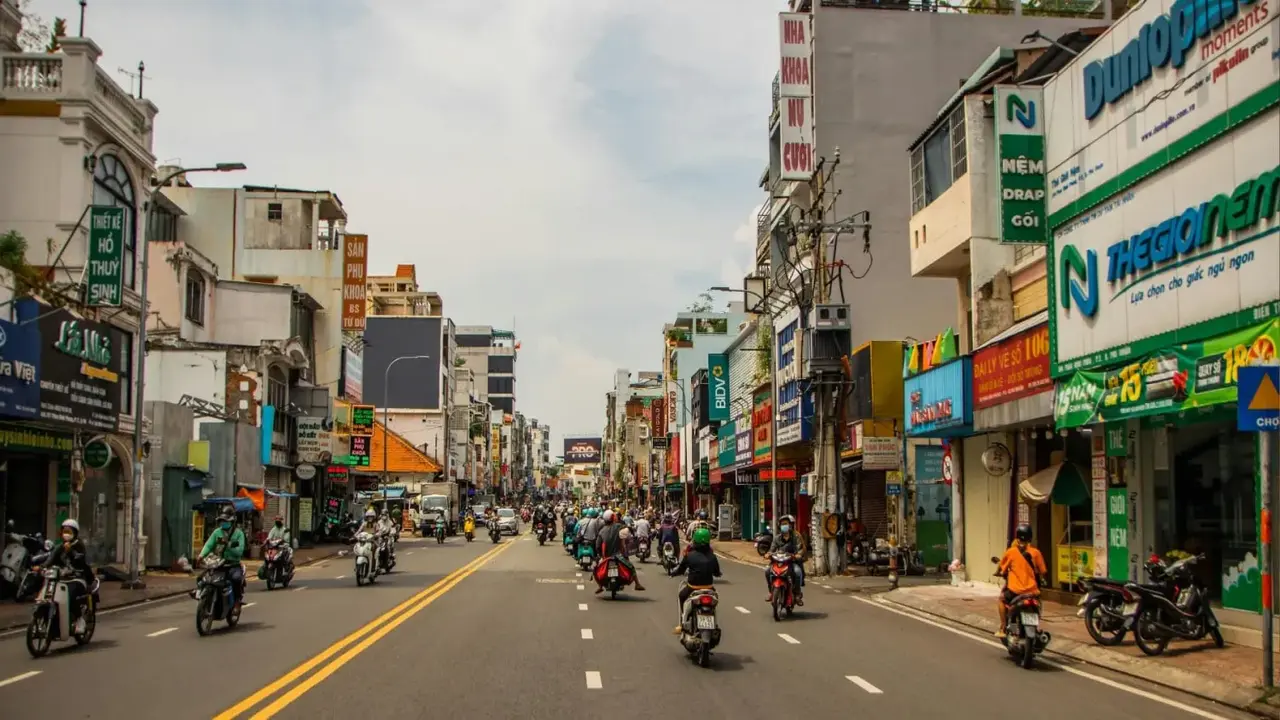
Currently, there are approximately 72 million motorcycles in the country. The ban will not be limited to Hanoi in the first phase; it will be expanded from 2027 onward. The ban is expected to include gasoline-powered cars in subsequent phases.
Following Hanoi, Vietnam’s largest city, Ho Chi Minh City, and Da Nang, a major tourist destination, are also considering similar bans. The country’s transformation has also stimulated the electric motorcycle market.
Domestic manufacturers VinFast and Selex Motors are expanding their production capacity in the electric scooter and motorcycle segment. VinFast announced that it had sold more than 160,000 electric scooters by the beginning of 2024. Selex is expanding its battery-changing stations across various regions. Despite this, the total market share of electric motorcycles in the country currently stands at only 5%.
The Vietnamese government has introduced various incentive programs and infrastructure investments to accelerate the transition. Efforts are underway to increase charging stations, develop battery technologies, and reduce costs to support electric vehicle adoption. However, the limited range of electric motorcycles, their high initial purchase cost, and the lack of charging infrastructure are creating hesitation among users.
Hesitation towards electric vehicles persists among motorcycle enthusiasts in the country. This situation has been compared to what happened during the popularization of automatic transmission motorcycles in the past. Automatic transmission systems, initially unacceptable, appear to be gaining market share over time. Expectations are growing that the same transformation will occur with electric motorcycles.
This transformation, which began in Vietnam, is poised to change not only transportation habits but also the fundamental dynamics of urban life related to noise and air pollution.