
German Battery Giant Varta Files for Insolvency

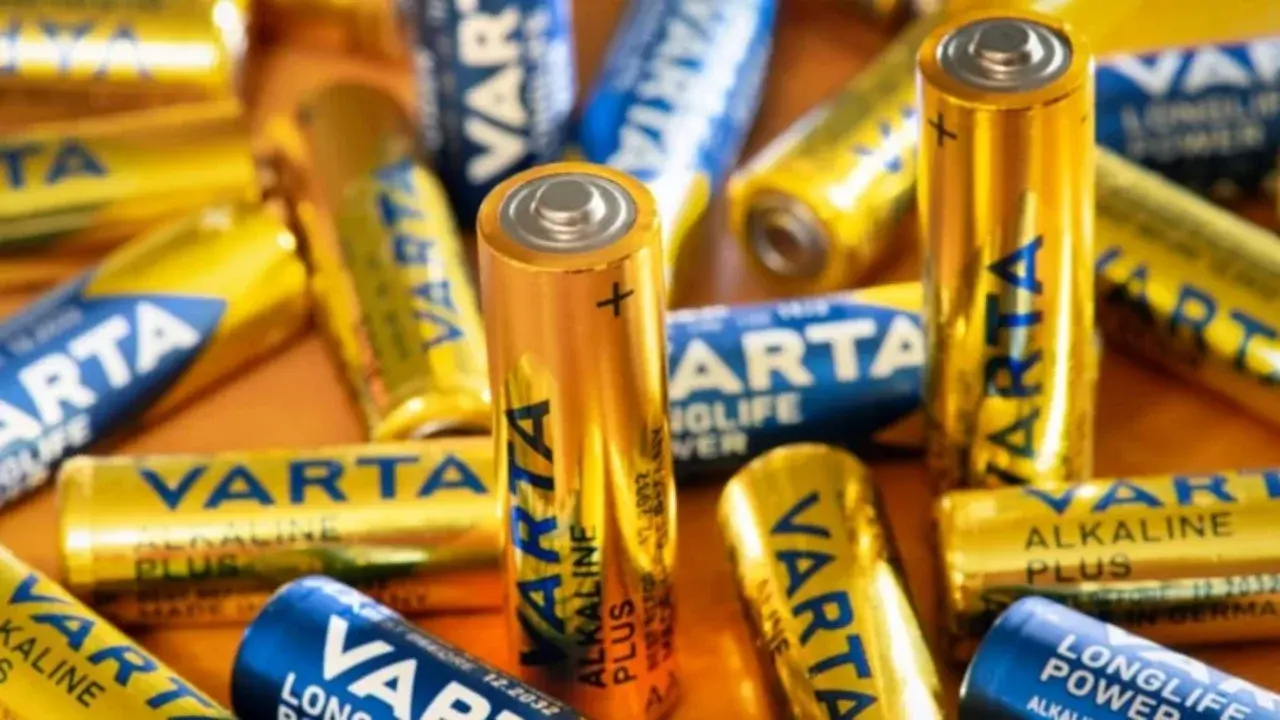
German battery manufacturing titan Varta has officially filed for insolvency with the Stuttgart Regional Court, marking a historic turning point for the 140-year-old industrial icon. This legal action follows a series of failed attempts to resolve severe liquidity crises that have plagued the company. The insolvency process was triggered after major stakeholders, including Porsche and investor Michael Tojner, withdrew their support and refused to inject further capital into the struggling entity. As the company faces this unprecedented financial collapse, the future of its production facilities and workforce remains uncertain, casting a shadow over the European battery technology landscape.
- The Stuttgart Regional Court has received four separate insolvency filings from the company.
- Key shareholders including Porsche have definitively ceased all financial support for the organization.
- Varta plans to undergo a structural break-up to facilitate the sale of its core business units.
- Revenue in the micro-battery segment experienced a sharp 47 percent decline as of 2022.
Market Challenges Have Forced a Difficult Transformation
The economic downfall of Varta is not merely a result of internal financial mismanagement but reflects a broader shift in global market dynamics. For over a century, the company maintained a strong reputation across sectors ranging from consumer electronics to aerospace applications. However, the rise of Asian manufacturers, who leverage aggressive pricing strategies and advanced scale, has severely eroded Varta’s competitive edge in the global market.
A critical turning point occurred in 2022 when the company reported a massive 47 percent drop in its micro-battery division revenue. This collapse in sales underscored the obsolescence of its traditional product lineup in an era dominated by rapidly evolving energy storage technologies.
The venerable 140-year-old industrial firm faces a liquidation risk for the first time in its long history.
Company Assets Are Being Prepared for Sale
Industry experts now suggest that keeping Varta as a unified entity is no longer a viable option. Current restructuring plans involve dividing the company into distinct segments to be sold off to various investors. Reports indicate that Deutsche Bank and several hedge funds are positioned to acquire the valuable household battery unit, while Michael Tojner is reportedly interested in retaining the micro-battery production line specifically used for hearing aids.
This fragmented disposal strategy represents the final effort to salvage the functional parts of the business. Even a prior rescue package provided by Porsche and Tojner in 2024, which led to the company’s delisting from the stock exchange, ultimately failed to provide the necessary stability to reverse the downward trend. Significant uncertainty remains regarding the fate of the energy storage systems division and other auxiliary branches.
Global energy storage market dynamics are shifting rapidly following the collapse of Varta.
The decline of such a prominent European manufacturer serves as a stark warning about the fragility of the regional industrial base. As the energy transition accelerates, the inability of legacy firms to adapt to international competition highlights a concerning gap in the European supply chain. Industry leaders are now watching closely to see if any remaining fragments of the company can find a path to profitability under new ownership.
What do you believe is the primary reason behind the rapid decline of this German industrial giant, and can European manufacturers effectively maintain their competitive edge against Asian producers? Please share your thoughts and insights in the comments section below.
Your comment has been submitted,
it will be published after approval.