
Germany Launches 12 Billion Euro Long-Range Missile Program

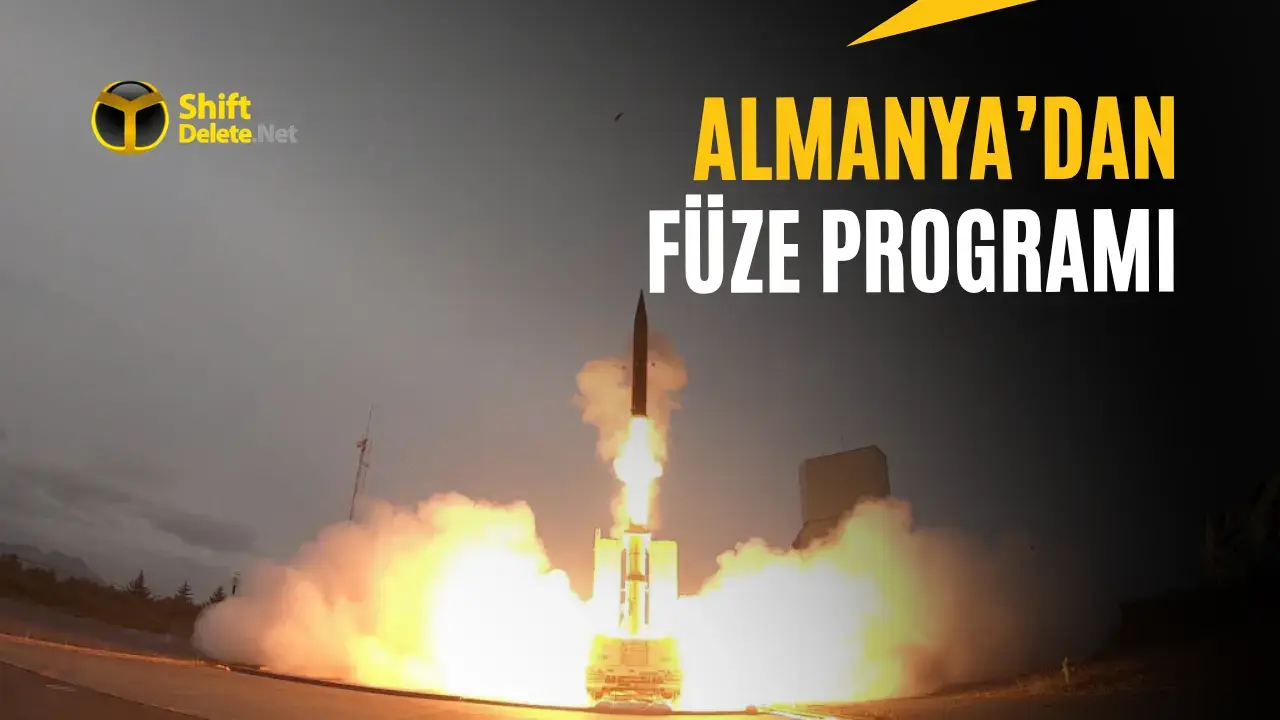
The German Ministry of Defense has unveiled an ambitious 12 billion euro investment plan to significantly enhance the nation’s long-range precision strike capabilities. By shifting its defense strategy away from a focus on short-range defensive systems, Berlin intends to develop a comprehensive missile arsenal capable of neutralizing threats deep behind enemy lines. This strategic overhaul, which aims to provide Germany with sovereign long-range strike power, is set to evolve through various phases, involving both the procurement of existing technology and the development of next-generation weaponry to address modern security challenges across Europe.
- Germany plans to invest 12 billion euros to establish a versatile arsenal of long-range missiles.
- The initial phase includes the deployment of cost-effective cruise missiles beginning in 2027.
- Berlin seeks legislative approval to acquire US-made Tomahawk missiles and Typhon launcher systems.
- Joint Anglo-German development efforts focus on creating a missile capable of exceeding a 2,000-kilometer range.
This massive financial commitment signals a permanent shift in Germany’s post-war military doctrine.
Initial Systems are Expected to Arrive by 2027
The program’s primary objective involves balancing high-end strategic capabilities with mass-produced, affordable munitions. Drawing lessons from the intensive consumption of ammunition observed in the ongoing Ukraine-Russia conflict, German officials are prioritizing a strategy that emphasizes both quantity and cost-efficiency. The first batch of these tactical cruise missiles is scheduled for deployment by 2027, providing an immediate boost to the Bundeswehr’s operational readiness.
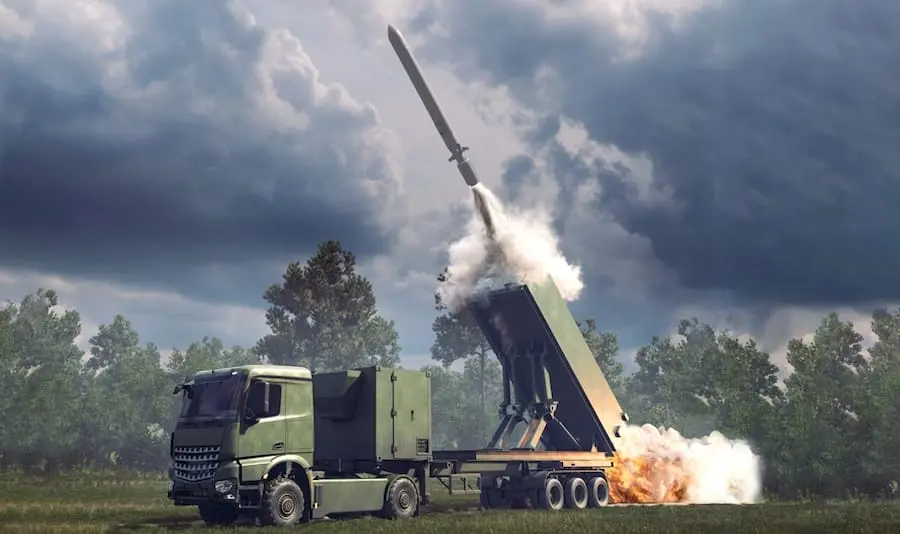
Tomahawk Systems are Being Prepared for Integration
To bridge the immediate capability gap, the German government has initiated negotiations to acquire American Tomahawk cruise missiles. Alongside these missiles, Berlin has secured preliminary approval from the United States to purchase land-based Typhon launch platforms. While these systems offer a rapid solution, the final procurement remains subject to the scrutiny and approval of the German Federal Parliament, reflecting the high political sensitivity surrounding the deployment of such long-range assets.
Germany considers the ability to strike targets beyond 1,000 kilometers essential for national deterrence.
New Missiles Surpassing 2,000 Kilometers are Being Developed
Looking toward the next decade, the centerpiece of this investment is the collaborative Deep Precision Strike project between Germany and the United Kingdom. Under the framework of the Trinity House Agreement, the two nations are co-developing a new generation of strike missiles designed to reach ranges exceeding 2,000 kilometers. These systems are projected to enter service during the 2030s, marking a significant leap in European military technology.
Furthermore, the collaboration extends into the realm of hypersonic technology. A substantial portion of the budget, estimated at 9 billion euros, is earmarked for the development of hypersonic glide vehicles. This focus on advanced speed and maneuverability ensures that Germany remains at the forefront of modern missile warfare technology.
Long-Range Missile Doctrines are Being Redefined
The overall 12 billion euro initiative represents a fundamental departure from traditional German defense postures. By integrating a mix of cost-effective cruise missiles, Tomahawk systems, and future hypersonic capabilities, Berlin is creating a scalable architecture designed to counter diverse threats. The ultimate success of this program now rests on the parliamentary approval of the required funding, which will determine the pace at which these defensive advancements become operational.
How do you view Germany’s decision to invest significantly in long-range strike capabilities, and what impact do you think this will have on European security dynamics? Share your thoughts in the comments below.
Your comment has been submitted,
it will be published after approval.