
Global DRAM and HBM Supplies Are Fully Reserved Until 2027

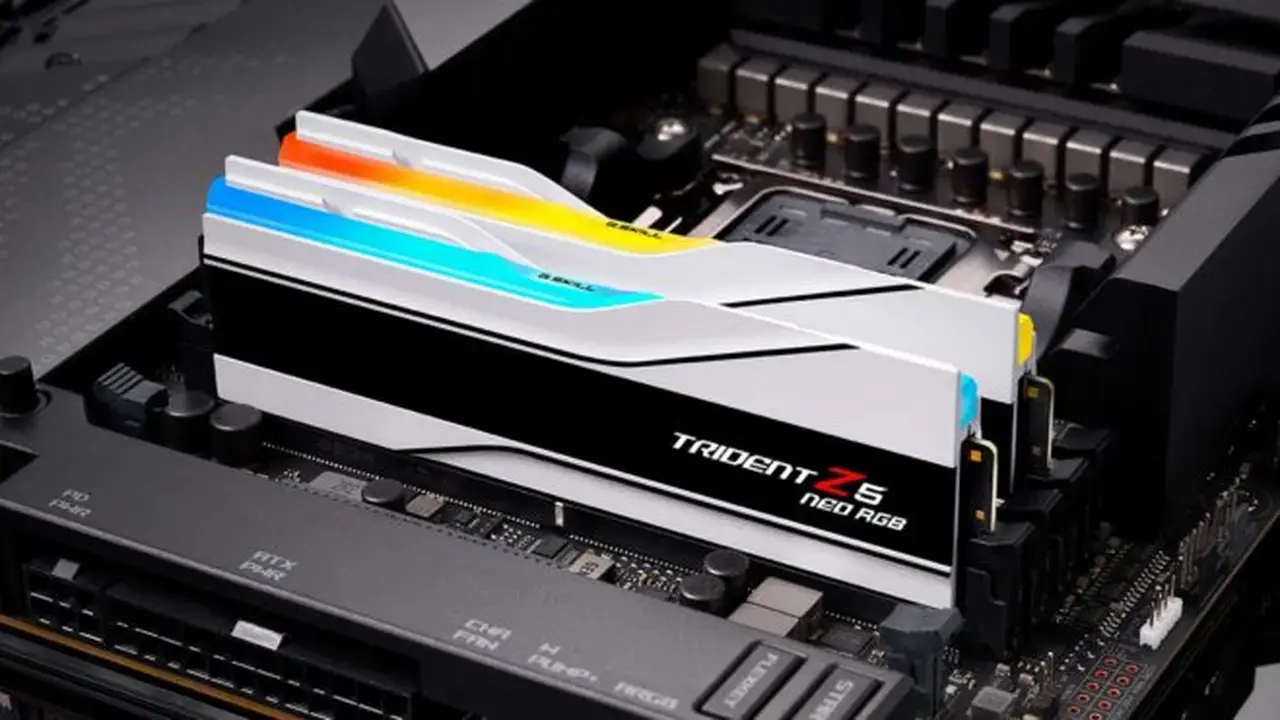
A severe memory supply crisis has reached a critical turning point as industry leaders confirm that global DRAM and HBM (High Bandwidth Memory) inventories are fully exhausted through 2027. Major technology firms have announced that all upcoming production capacities have already been pre-allocated to key partners, effectively halting new orders. This unprecedented shortage is driven by the explosive demand for high-performance computing and artificial intelligence infrastructure, which has overwhelmed existing manufacturing pipelines. As producers report that further capacity expansion is currently impossible, the global technology sector faces significant uncertainty regarding hardware availability and long-term supply chain stability.
- Global manufacturing capacity for DRAM and HBM is entirely reserved until 2027.
- Leading semiconductor manufacturers have confirmed that immediate production scaling is not feasible.
- Surging demand for artificial intelligence technologies has accelerated the depletion of memory stocks.
Memory Market Supply Constraints Are Deepening
The persistent memory crisis, which began to intensify last year, has fundamentally altered corporate procurement strategies across the board. DRAM and HBM solutions serve as the backbone of modern data centers and advanced AI servers, yet the current manufacturing infrastructure has failed to keep pace with the rapid digitalization of the global economy. Analysts warn that the scarcity of these components will likely extend beyond enterprise-level hardware, potentially impacting the production of consumer electronics and personal computing devices.
Supply chain challenges have evolved into a competitive negotiation process centered on securing priority allocations.
Manufacturing Capacities Are Reaching Physical Limits
Despite heavy capital investment from industry giants to alleviate the deficit, bringing new fabrication facilities online remains a time-intensive process. Existing production lines are operating at peak efficiency, yet they remain unable to satisfy the overwhelming demand generated by the AI boom. 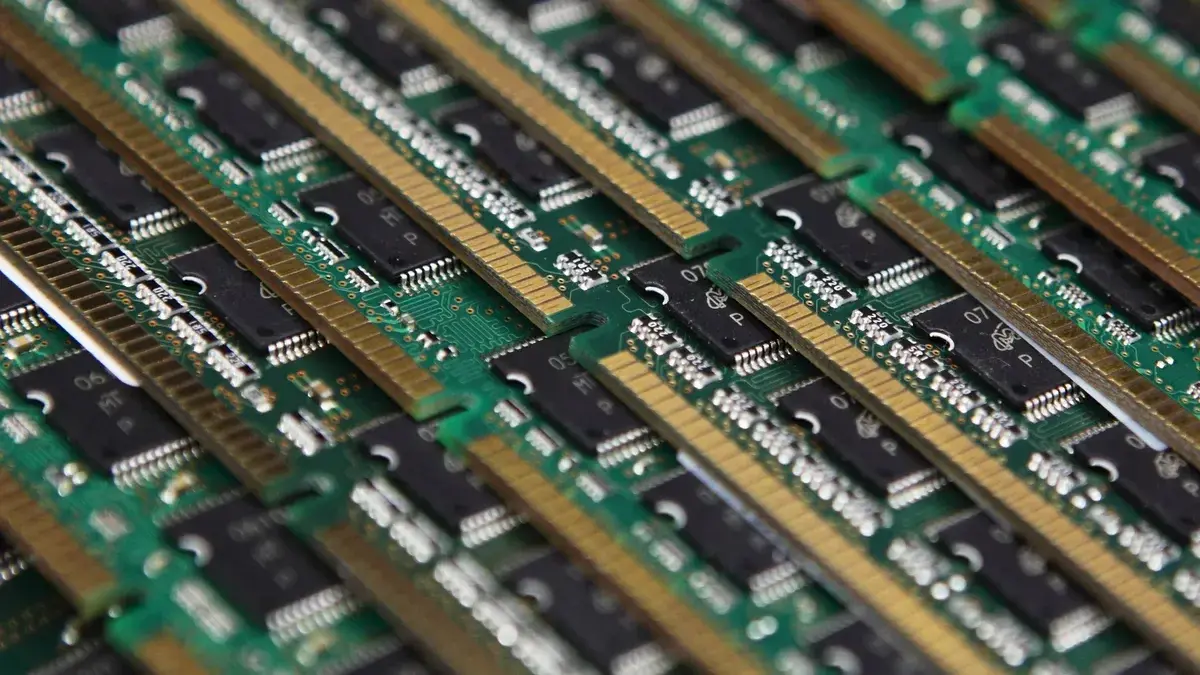
As companies prioritize strategic partnerships to secure limited resources, the open market for memory components has virtually evaporated. This lack of available stock suggests that price volatility will continue to characterize the sector for the foreseeable future. With no additional manufacturing capacity expected in the short term, hardware developers are struggling to maintain project timelines.
Current supply constraints have become a significant bottleneck for global technological development.
Future Market Challenges Are Expected to Persist
The ongoing shortage is forcing hardware manufacturers to navigate rising costs and supply insecurities. Projects requiring high-performance computing power are anticipated to face substantial obstacles in sourcing necessary memory modules. Experts emphasize that while producers are optimizing their fabrication processes, the physical limitations of current technology remain a barrier. The industry must now transition toward more resilient supply chain management models to survive this multi-year period of scarcity.
How do you expect the ongoing DRAM and HBM supply crisis to impact the pricing of consumer gadgets like smartphones and laptops? Please share your thoughts and predictions regarding these industry-wide shortages in the comments section below.
Your comment has been submitted,
it will be published after approval.