
Global PC Shipments Plummet by 20 Percent in Q3 2026

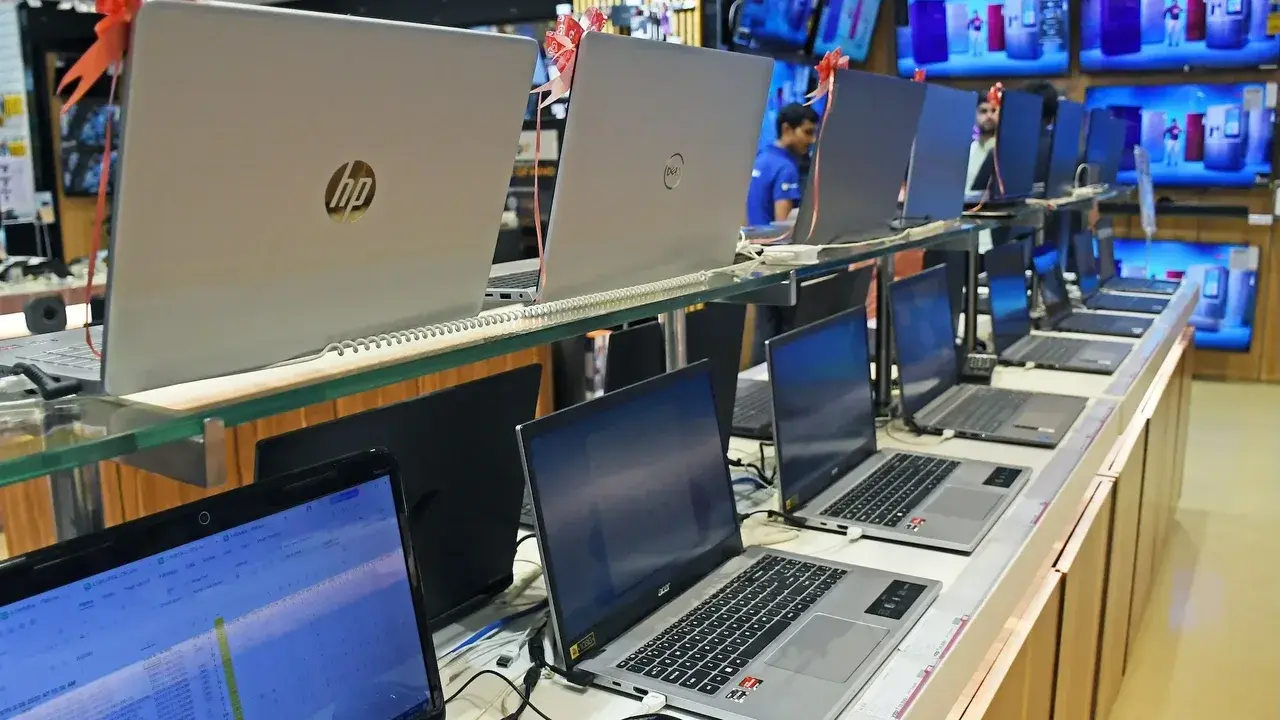
According to the latest data released by IDC, the global PC market experienced a drastic decline in the third quarter of 2026, marking one of the most severe contractions in recent industry history. After seeing a 3.8 percent dip in the previous quarter, shipments plummeted by 20.1 percent, falling from 78.5 million units in the third quarter of 2025 to 62.7 million units in 2026. This downturn reflects a significant shift in market dynamics as both consumers and corporate entities face rising hardware costs and economic uncertainty, forcing a widespread reevaluation of technology investment strategies across the globe.
- Global PC shipments recorded a sharp 20.1 percent decline during the third quarter of 2026.
- Excessive inventory stockpiling earlier in the year caused a major disruption in standard seasonal demand cycles.
- Major manufacturers including HP and Dell faced double-digit shipment losses due to reduced market demand.
- High retail prices for hardware continue to suppress consumer interest and corporate purchasing power.
Excessive Inventory Stocks Disrupted Market Balance
The primary driver behind this significant market contraction is rooted in the aggressive stockpiling activities that took place during the first half of the year. Manufacturers and channel partners heavily loaded up on inventory early in 2026 to circumvent anticipated price hikes and supply chain constraints. This preemptive behavior inadvertently distorted the natural seasonal rhythm of the industry, leaving the supply chain saturated while demand remained unexpectedly weak during the third quarter. 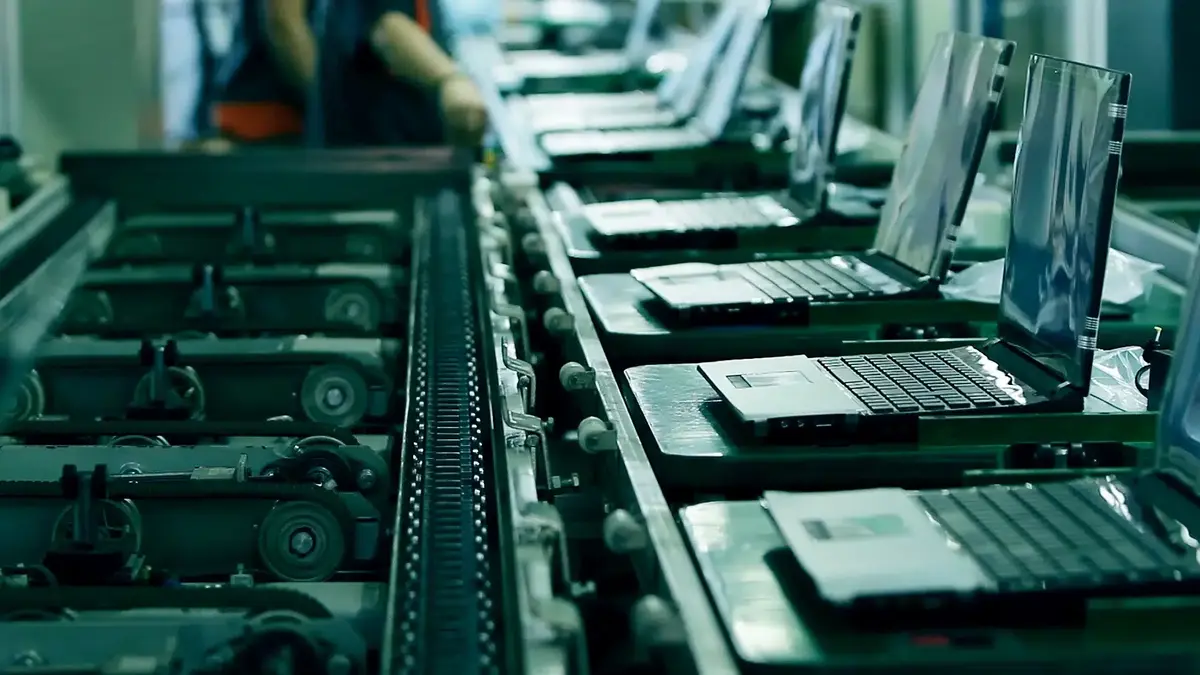
IDC Research Director Jitesh Ubrani characterizes this downturn as a typical hangover effect following the intense procurement surge seen earlier in the year. Because the distribution channels are currently burdened with high levels of unsold inventory, retailers and manufacturers have been unable to lower price tags. Consequently, these elevated costs are being passed directly to the end-user, prompting both private consumers and large-scale enterprises to adopt a much more cautious approach toward new hardware acquisitions.
Major Manufacturers Faced Significant Shipment Losses
The severity of this downturn is evident in the performance metrics of the industry’s leading players, as nearly every major manufacturer recorded double-digit losses. HP and Dell, two of the most prominent names in the personal computing space, were hit particularly hard. HP saw its shipment volumes decrease by 30.9 percent, while Dell faced a 25 percent reduction compared to the previous year. These statistics illustrate the broad scope of the crisis, which is not limited to a single region but has become a comprehensive global trend.
Economic Uncertainties Remain for Future Quarters
Looking ahead, market experts warn that the road to recovery will be arduous. IDC analysts suggest that the market remains in a fragile state, and it will require a substantial period of time to clear existing inventory and achieve a new equilibrium. While temporary discounts and promotional campaigns might offer short-term relief, they are unlikely to provide a sustainable solution to the underlying structural problems.
Furthermore, if macroeconomic conditions continue to deteriorate, analysts expect that demand could experience even deeper cuts. The increase in hardware costs, fueled by rising production expenses, continues to put downward pressure on sales. As the industry grapples with these challenges, it is becoming clear that the era of rapid growth has been temporarily replaced by a period of necessary recalibration and caution.
Given the current volatility in the hardware market and the persistent rise in device prices, how do you foresee these trends altering your own plans for upgrading technology in the coming year? Share your thoughts in the comments section below.
Your comment has been submitted,
it will be published after approval.