
Google Develops New Frozen v2 AI Chip for 2028

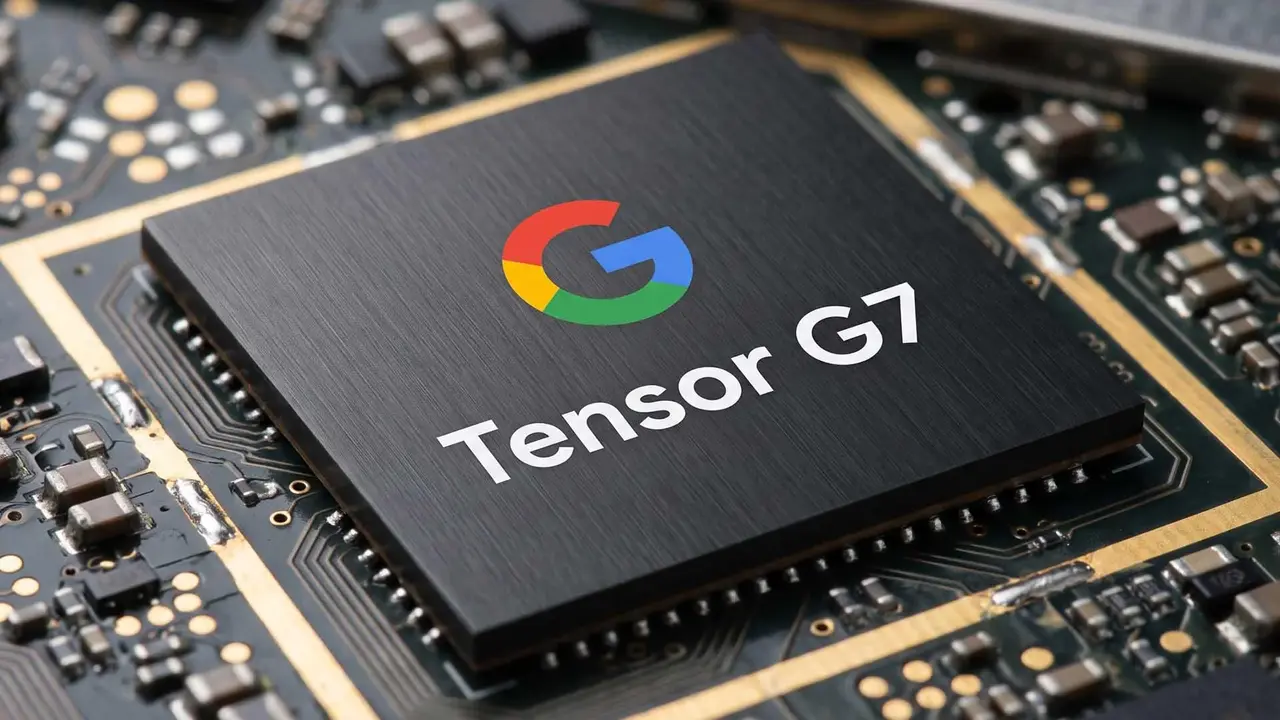
Google is accelerating its efforts to dominate the artificial intelligence hardware market by developing a next-generation AI chip, internally codenamed “Frozen v2.” According to recent reports from The Information, the tech giant aims to deploy this custom silicon solution in its global data centers by 2028. By designing its own processors, Google intends to significantly enhance its computational efficiency, reduce reliance on external suppliers like Nvidia, and lower the massive operational costs associated with training complex large language models. This strategic move marks a pivotal shift in how the company manages its infrastructure and AI-driven growth trajectory over the coming years.
- Google plans to finalize the development of its custom Frozen v2 AI chip by 2028.
- The new hardware promises to deliver six to ten times greater energy efficiency than current market standards.
- This initiative aims to diminish the company’s dependency on dominant hardware suppliers such as Nvidia.
- Major technology firms like Amazon, Meta, and OpenAI are simultaneously developing their own proprietary silicon solutions.
Efficiency Remains the Core Focus of New Hardware
The engineering team at Google is prioritizing energy conservation and token generation speed to optimize their infrastructure. By utilizing the Frozen v2 architecture, the company expects to achieve a performance boost that is six to ten times more efficient than existing hardware options. This design shift is essential for minimizing the high power consumption costs currently linked to processing massive, resource-intensive AI models.
Google’s 2028 vision centers on achieving hardware independence and maximum energy efficiency.
As large language models grow in complexity, the demand for power-efficient computing has reached a critical threshold. Google’s transition to in-house chip design is not just a cost-saving measure but a necessary step to maintain scalable AI operations. By refining the hardware-software stack, the company hopes to set a new industry benchmark for performance per watt.
Tech Giants Seek to Reduce Market Dependency
The broader technology landscape is witnessing a significant shift as major industry players move toward vertical integration. Companies such as Meta, Amazon, Anthropic, and OpenAI are aggressively investing in custom silicon to bypass the limitations of the current supply chain. This trend is widely viewed as a direct challenge to the market dominance held by Nvidia, which has historically been the primary provider for AI-grade processors.
Developing custom silicon allows these organizations to tailor their hardware directly to their specific software requirements. This strategy offers a distinct competitive advantage while mitigating long-term operational risks associated with third-party hardware shortages or price volatility. Consequently, the industry is moving away from a “one-size-fits-all” hardware model toward specialized computing solutions.
Sustainable Solutions Drive Future Technological Growth
The environmental impact of data centers has become a pressing concern as AI models continue to gain widespread adoption. Google’s commitment to the Frozen v2 project highlights the urgent need for sustainable computing power. If the company succeeds in hitting its projected efficiency targets, this breakthrough could influence the entire sector’s approach to energy consumption.
Specialized custom chips represent the key to preventing future energy crises in the AI industry.
Ultimately, Google’s long-term hardware strategy is designed to solidify its leadership position within the competitive AI market. The transition expected by 2028 will likely force a reevaluation of current pricing structures and performance capabilities across the cloud computing industry, potentially leading to more accessible AI services for developers and end-users alike.
Do you believe Google can successfully challenge Nvidia’s dominance in the AI hardware market through its custom chip development, or will the current landscape remain unchanged? We look forward to reading your thoughts and predictions in the comments section below.
Your comment has been submitted,
it will be published after approval.