
Google Develops New Privacy-Focused Ephemeral Video Mode for Gemini Live

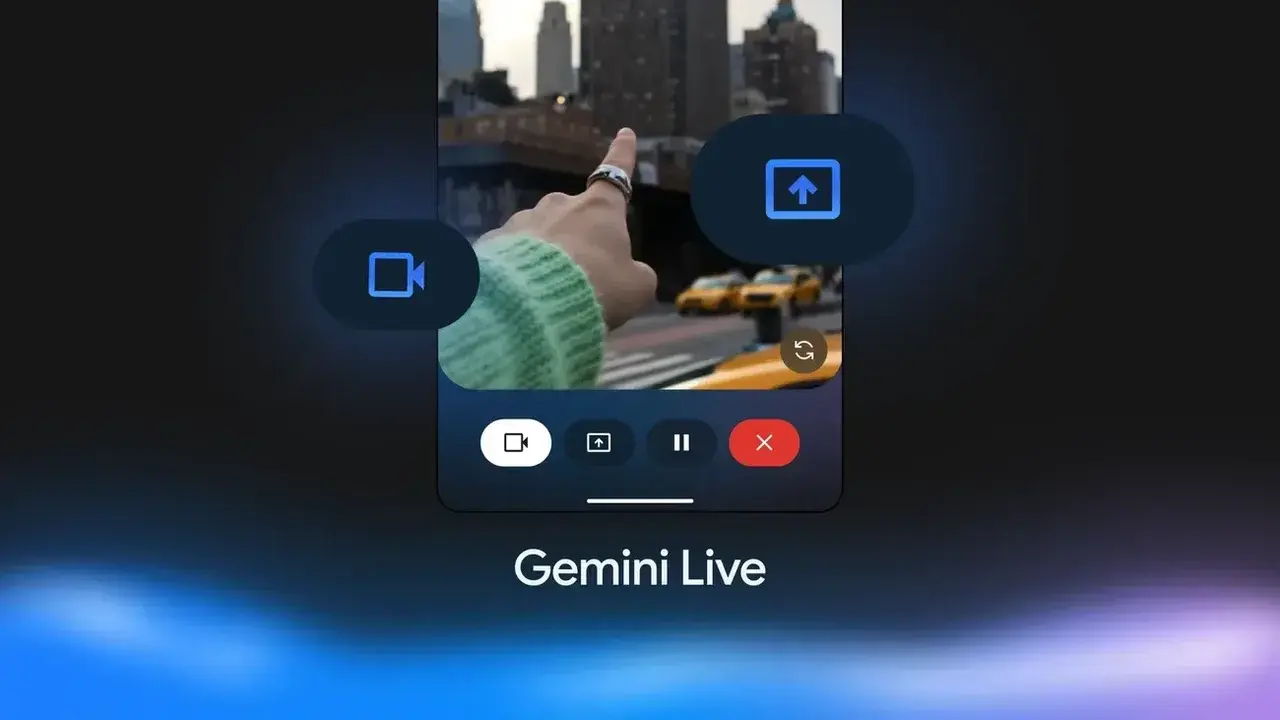
Google is currently developing a new privacy feature for its artificial intelligence assistant, Gemini Live, aimed at providing users with greater control over their video data. Recent analysis of the Google app version 17.59.17.sa.arm64 by the Android Authority team revealed internal code strings referencing an “Ephemeral Video Mode in Live.” This upcoming functionality is designed to allow users to process video inputs without storing long-term records in the Gemini Apps Activity history. As data privacy concerns become a central focus for AI development, this initiative seeks to provide users with a more secure way to interact with the model using visual inputs.
- Google is testing an ephemeral video mode to prevent the permanent storage of video inputs within Gemini Live.
- The discovery of internal code references suggests that the feature will allow for real-time processing without long-term data archival.
- This update aims to address user security concerns regarding the retention of sensitive visual information during AI interactions.
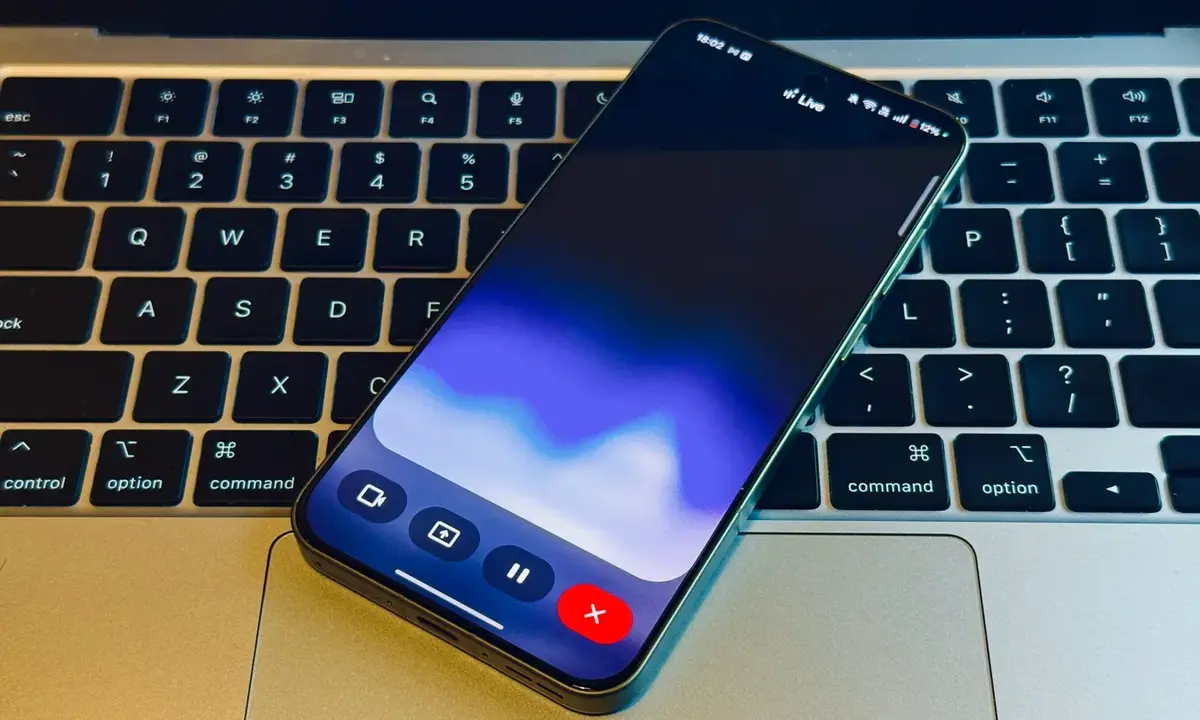
Privacy Standards are Being Elevated for AI Interactions
The core objective of this feature is to offer transparency and flexibility regarding how user data is managed. Currently, interactions with Gemini Live are often archived within the user’s activity logs, which may not align with the privacy preferences of all individuals. By introducing an ephemeral mode, Google intends to facilitate a user experience where data is processed in real-time and subsequently discarded, rather than being saved for future model training or history review.
Although temporary chat options exist within other parts of the Gemini ecosystem, the integration of such privacy controls into the live video feed represents a significant technical step forward. This ensures that even when users share visual context with the assistant, they retain the ability to maintain their digital anonymity and data sovereignty.
Technical Implementation Remains Under Active Development
While the functionality has been identified within the app’s source code, Google has not yet provided an official release date or confirmed the full scope of the feature. The code indicates that the infrastructure, internally referred to by the codename “Robin,” is specifically being adapted to handle these temporary video streams. Analysts often use these APK teardowns to forecast potential updates, though it is important to note that features discovered in development do not always reach the final consumer version.
The shift toward privacy-centric AI design is becoming a competitive necessity in the technology industry. Users are increasingly demanding more control over their personal information as AI models become more integrated into daily life. By allowing users to choose between saving context and prioritizing complete privacy, Google is positioning itself to better meet the diverse needs of its user base. This development could fundamentally change how people feel about sharing visual data with smart assistants, particularly in sensitive or private environments.
We are interested in hearing your thoughts on this potential update; how would the ability to instantly delete video data change the way you utilize AI tools in your daily routine?
Your comment has been submitted,
it will be published after approval.