
Google Explores 1776 Through the Lens of Google Workspace

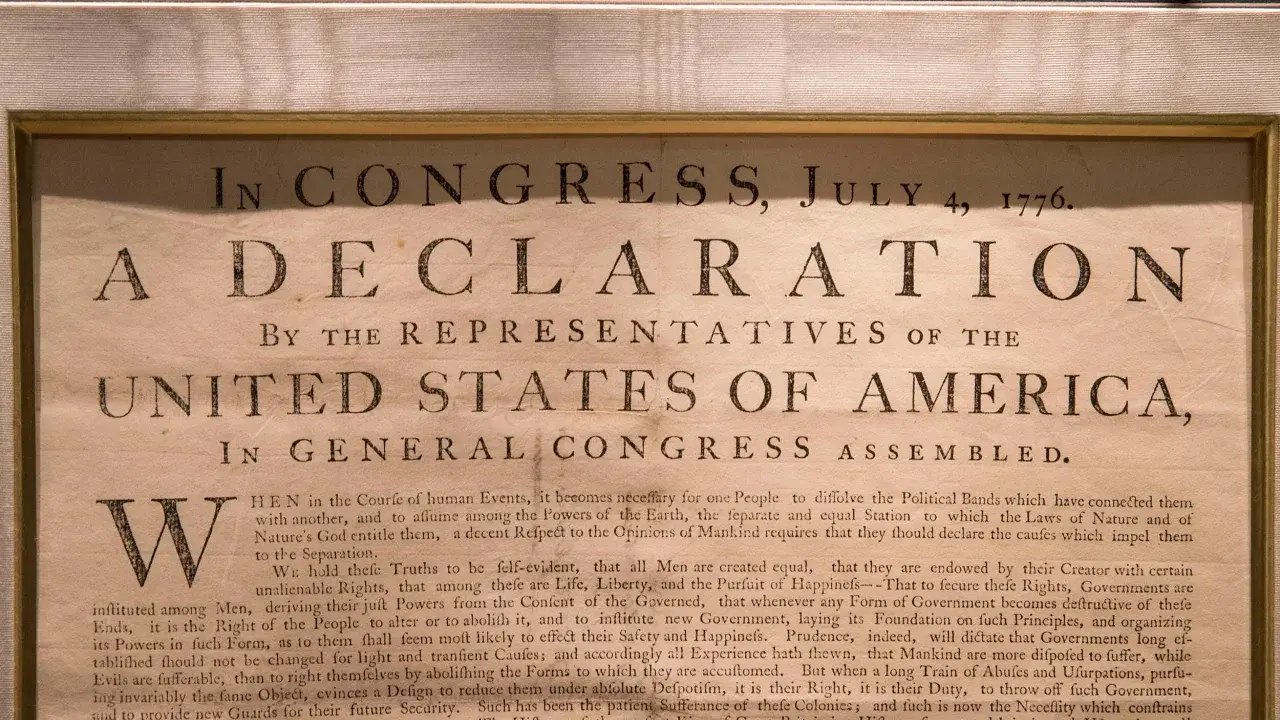
In anticipation of the 250th anniversary of the Declaration of Independence, Google has released a creative advertisement titled “Group Project: 1776 Edition,” which reimagines America’s Founding Fathers utilizing modern Google Workspace tools. By blending historical narrative with contemporary digital collaboration, the campaign explores how legendary figures like Thomas Jefferson and Benjamin Franklin might have navigated document sharing, real-time communication, and project management if they had access to cloud-based technology. The video, which has gained significant traction across social media platforms, portrays a fictionalized version of history where political discourse and document drafting are streamlined through Google Docs, Meet, and integrated artificial intelligence.
- The campaign highlights the potential utility of Google Workspace in historical collaborative settings.
- The advertisement incorporates various AI features, such as “help me visualize” and Gemini note-taking, into the 18th-century narrative.
- Public reception remains divided as social media users debate the tone and effectiveness of the historical parody.
- Historians have raised concerns regarding the actual degree of AI integration presented in the promotional material.
Google Integrates Artificial Intelligence Into Historical Narratives
The core of the advertisement focuses on the seamless integration of artificial intelligence into the Founding Fathers’ daily workflow. Viewers see characters utilizing “help me visualize” to brainstorm designs for the national seal, while Gemini is shown capturing meeting minutes during critical deliberations. Furthermore, the narrative humorously depicts characters consulting a chatbot for advice on how to formally decline document access requests from King George III. Despite these features, the company carefully avoided suggesting that the original Declaration of Independence could be improved by AI, focusing instead on the aesthetic possibilities provided by modern generative technology.
The visual style of the campaign has sparked a widespread debate among viewers regarding the role of AI in creative content production.
Public Sentiment Remains Divided Across Digital Platforms
The promotional video has elicited a spectrum of reactions across the internet. While platforms such as YouTube and Instagram have recorded generally positive feedback, the response on Bluesky has been notably more critical. Some users labeled the production as “cringe-worthy” or “tone-deaf,” questioning the appropriateness of utilizing revolutionary history for a corporate software pitch. Historical experts, including Angus Johnston, have argued that the advertisement fails to effectively demonstrate the practical utility of artificial intelligence in political or organizational contexts.
Johnston further noted that the actual presence of meaningful AI application in the advertisement remains minimal, suggesting that the campaign prioritizes aesthetic novelty over functional substance. This disconnect between the brand’s intent and the audience’s perception highlights the ongoing challenges tech companies face when attempting to bridge the gap between historical reverence and modern marketing strategies.
As the conversation surrounding the intersection of history, technology, and corporate branding continues to evolve, your perspective is highly valued. What do you believe this creative experiment says about the current state of digital marketing and our relationship with historical figures? Please share your thoughts in the comments section below.
Your comment has been submitted,
it will be published after approval.