
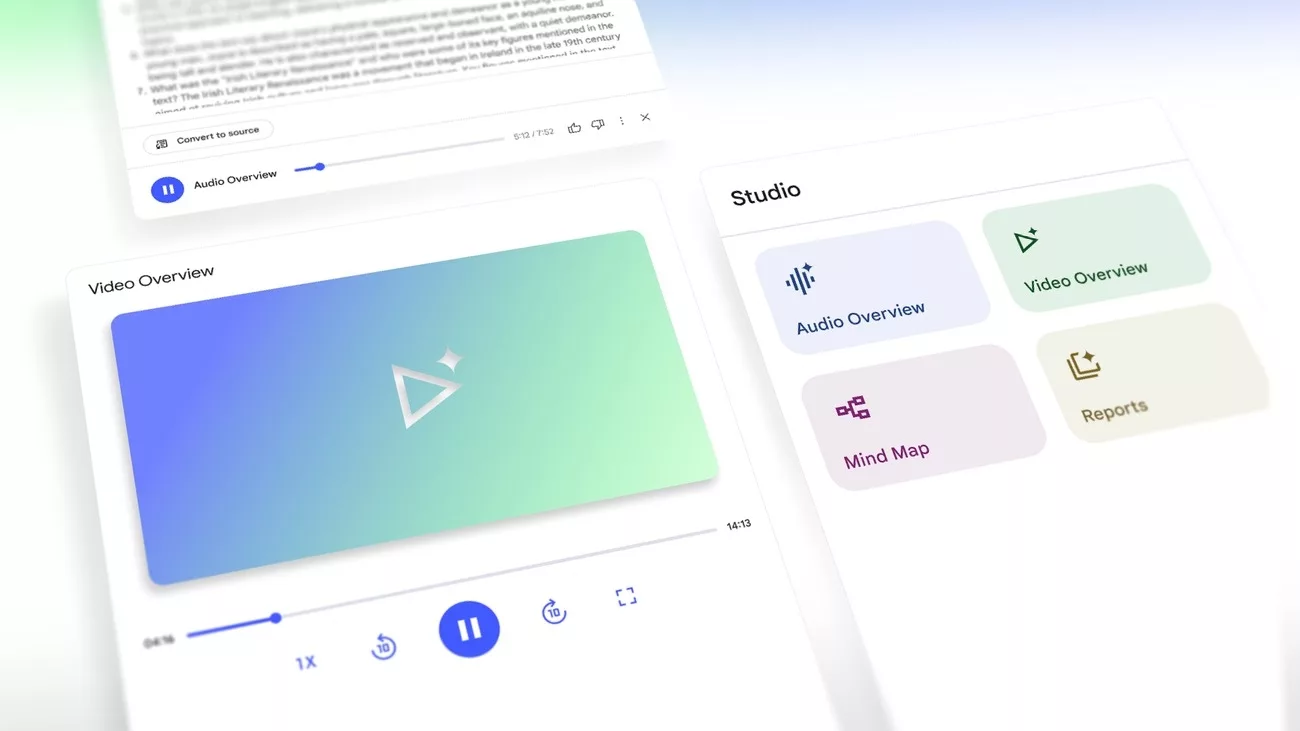
The tech giant is facing a new Google voice cloning lawsuit that raises significant questions about artificial intelligence and personal rights. The controversy centers on Google’s AI-powered note-taking tool, NotebookLM, which is accused of unlawfully replicating the voice of a famous radio host.
Details of the Google Voice Cloning Lawsuit
The case was brought forward by David Greene, a former host for National Public Radio (NPR). Greene alleges that an AI-generated voice in NotebookLM’s “Audio Overviews” feature bears an uncanny resemblance to his own distinct tone and speaking style. Furthermore, he claims the AI even mimics his unique speech patterns and filler words, which he has tried to eliminate for years.
Greene has initiated legal action, arguing that the commercial use of his voice without consent or compensation could lead to identity confusion among his listeners. This situation highlights the growing gray areas concerning copyright and personality rights in the age of AI-generated content.
Google Responds to the Allegations
In response to the claims, Google has stated that the lawsuit is without merit. The company clarified that the voice used in the NotebookLM Audio Overviews feature was recorded by a professional, paid voice actor in a studio setting. Google emphasizes that the voice is not a copy of any specific media personality and that its AI model was not trained on a single individual’s voice.
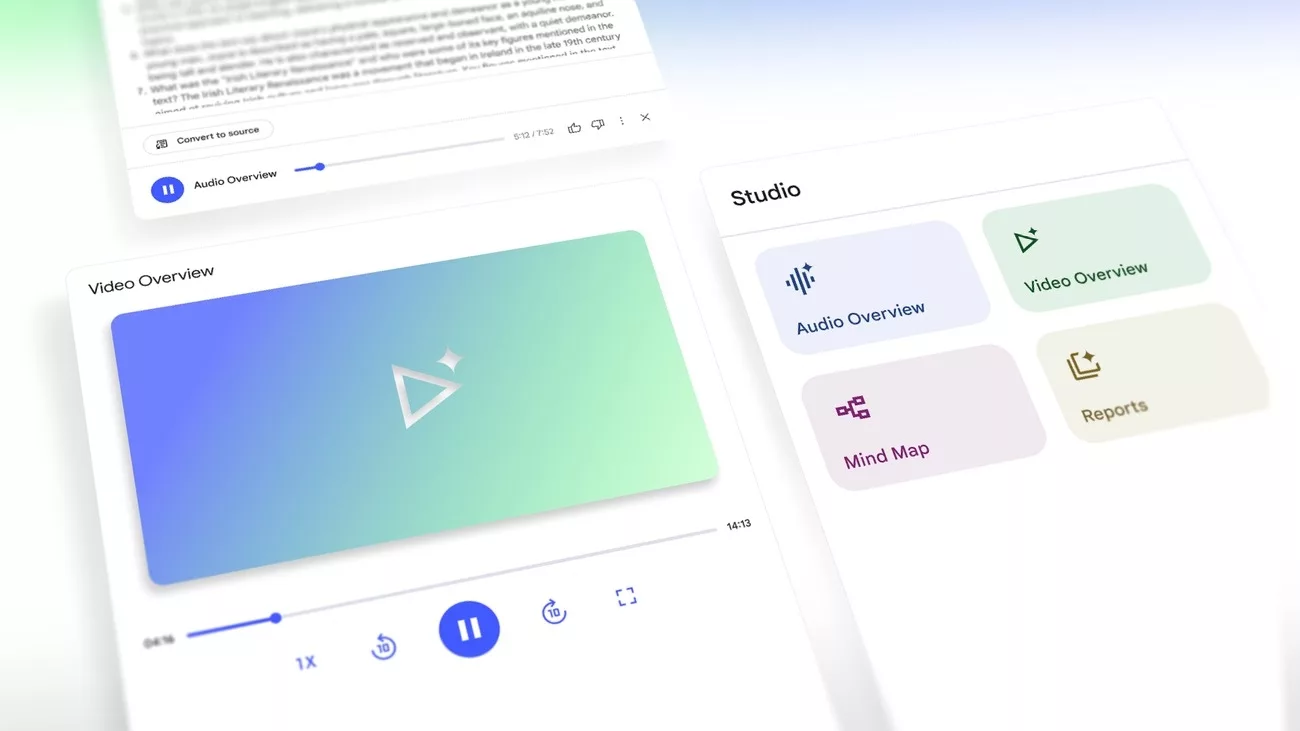
NotebookLM was developed as a learning-focused tool that allows users to summarize, analyze, and listen to their uploaded documents. The “Audio Overviews” feature, which presents long texts in a radio-like format, is at the heart of this legal dispute. However, the lawsuit has not yet presented concrete evidence that Google directly trained its AI model on Greene’s voice.
So, what are your thoughts on the Google voice cloning lawsuit? Share your opinions with us in the comments!