
Google Gemini Updates Model Access and Subscription Tiers


Starting October 9, Google is implementing a significant restructuring of its Gemini application, which fundamentally alters model access for both free users and AI Plus subscribers. This update establishes a new hierarchy of artificial intelligence capabilities, determining which models are available based on specific subscription tiers. As Google continues to evolve its suite of AI tools, these modifications aim to streamline resource allocation while introducing advanced features for premium users. Users are encouraged to review their current subscription status to understand how these changes impact their daily interaction with the Gemini platform across various devices.
- Free users lose access to 3.6 Flash and 3.1 Pro models in favor of the 3.5 Flash-Lite model.
- AI Plus subscribers are restricted to the Flash-Lite and Flash models following the update.
- AI Pro subscribers gain access to the advanced Deep Think capability for complex problem-solving.
- Google plans to introduce three distinct effort levels for models later this month.
Model Restrictions Impact Subscription Tiers
The updated support documentation confirms that the landscape of accessible models is shifting significantly. Users without a paid Google AI subscription will be limited strictly to the 3.5 Flash-Lite model. Meanwhile, AI Plus subscribers, who pay a monthly fee of $4.99, will no longer have access to the Pro model, leaving them with only the Flash-Lite and Flash options. 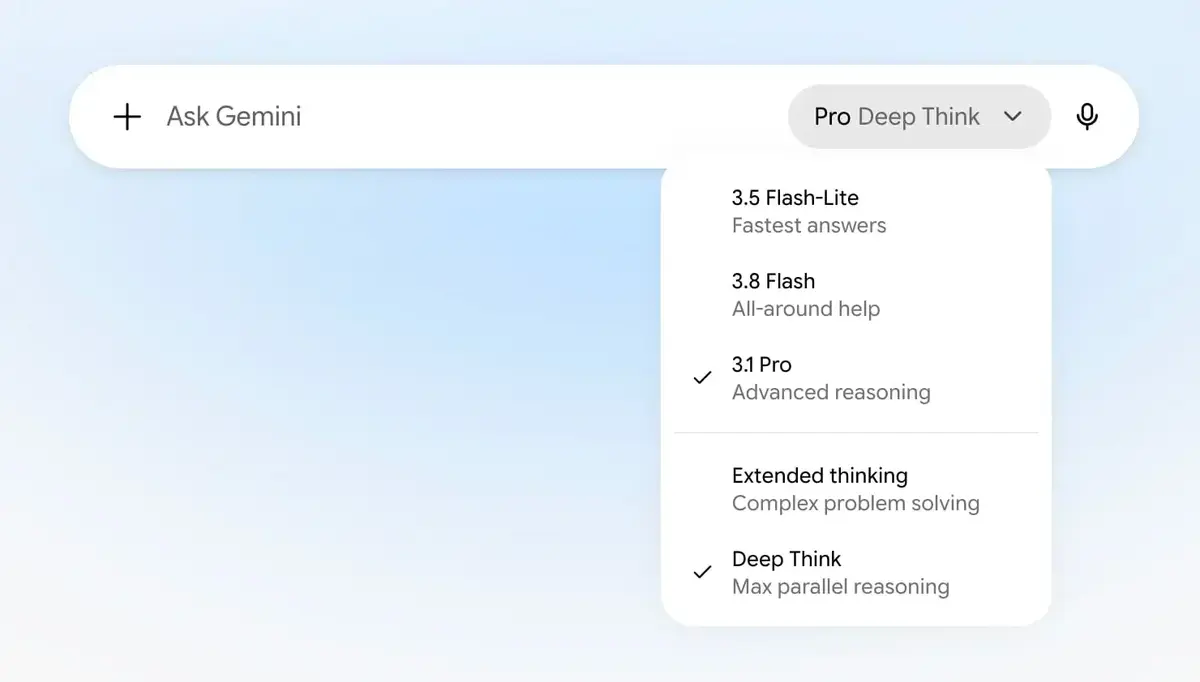 These users will receive direct communication via email regarding the specific timeline for these adjustments.
Conversely, higher-tier subscribers are seeing expanded utility. Those on the AI Pro plan, priced at $19.99 per month, will now gain access to the Deep Think feature, which was previously restricted to the $99.99 and $199.99 tiers. This feature is designed to handle complex logical reasoning and multi-step problem-solving by utilizing maximum parallel processing capabilities. 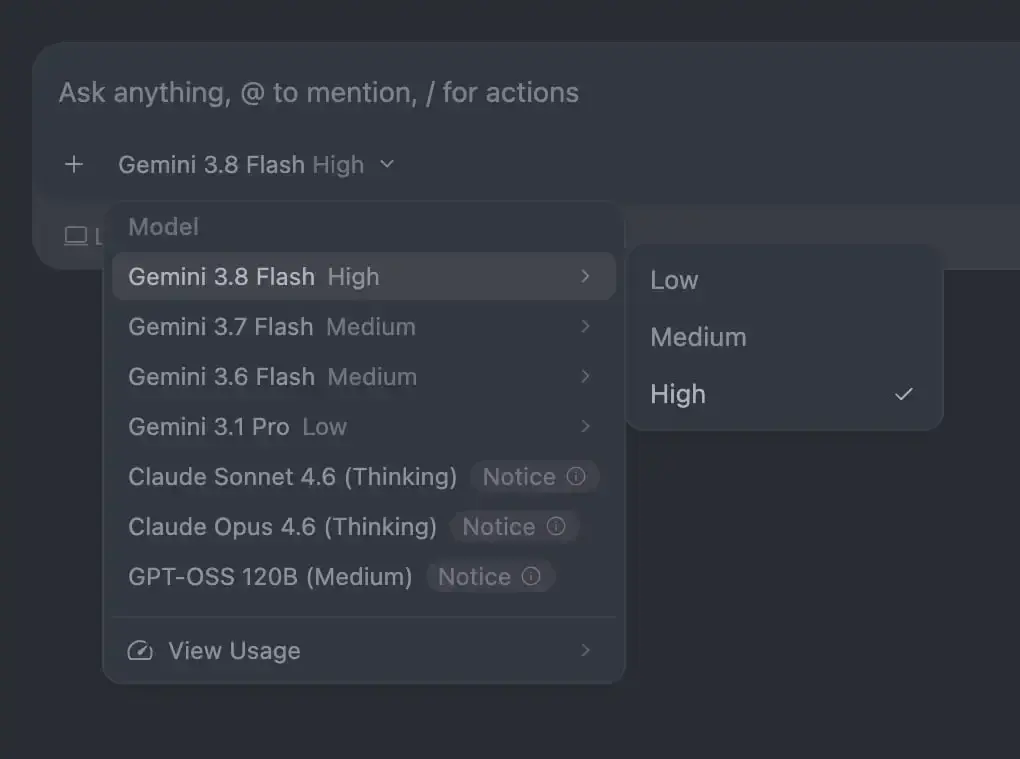 AI Pro and AI Ultra tiers remain unaffected by the negative adjustments seen in lower plans, maintaining their established feature sets.
New Effort Levels Are Being Introduced
Throughout October, the Gemini interface will integrate new effort levels for users. This feature allows individuals to manually select between low, medium, and high processing intensities for each model. By adjusting these settings, users can influence the depth and comprehensiveness of the AI’s responses. 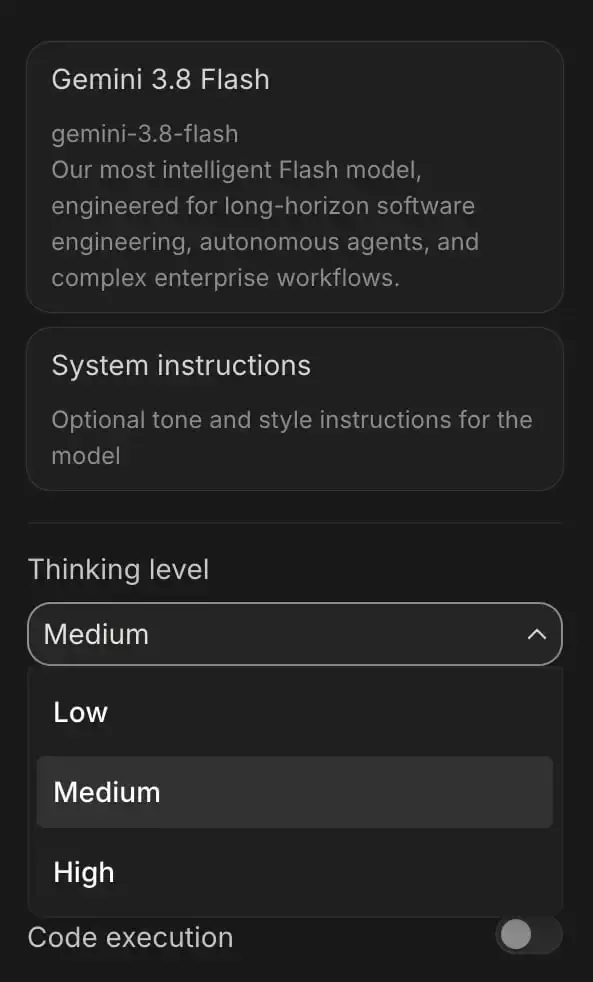 However, it is important to note that higher effort settings will consume more of the user’s allocated usage limits, potentially leading to faster depletion of quotas.
These effort levels draw inspiration from established configurations found in Google AI Studio and Antigravity platforms, providing a more granular control mechanism for power users. Currently, users can only enable basic extended thinking features, making this upcoming upgrade a significant step toward more customizable AI interactions.
The Future of Gemini 4 Argon Remains Uncertain
While the company has confirmed that the new Gemini 4 Argon model will debut exclusively for AI Ultra subscribers, its final classification remains unknown. It is currently unclear whether Argon will be categorized as a standard Pro model or if it will serve as the foundation for an entirely new, higher-tier subscription category. Google has yet to provide concrete details on how this model will integrate into the broader product ecosystem. As these structural changes take effect, the community remains divided on the value proposition of the revised subscription tiers.
How do you feel about these changes to the Gemini subscription models and the new effort levels being introduced? Share your thoughts in the comments section below.
Your comment has been submitted,
it will be published after approval.