
Google Secures Massive TPU Order With Intel for 2028

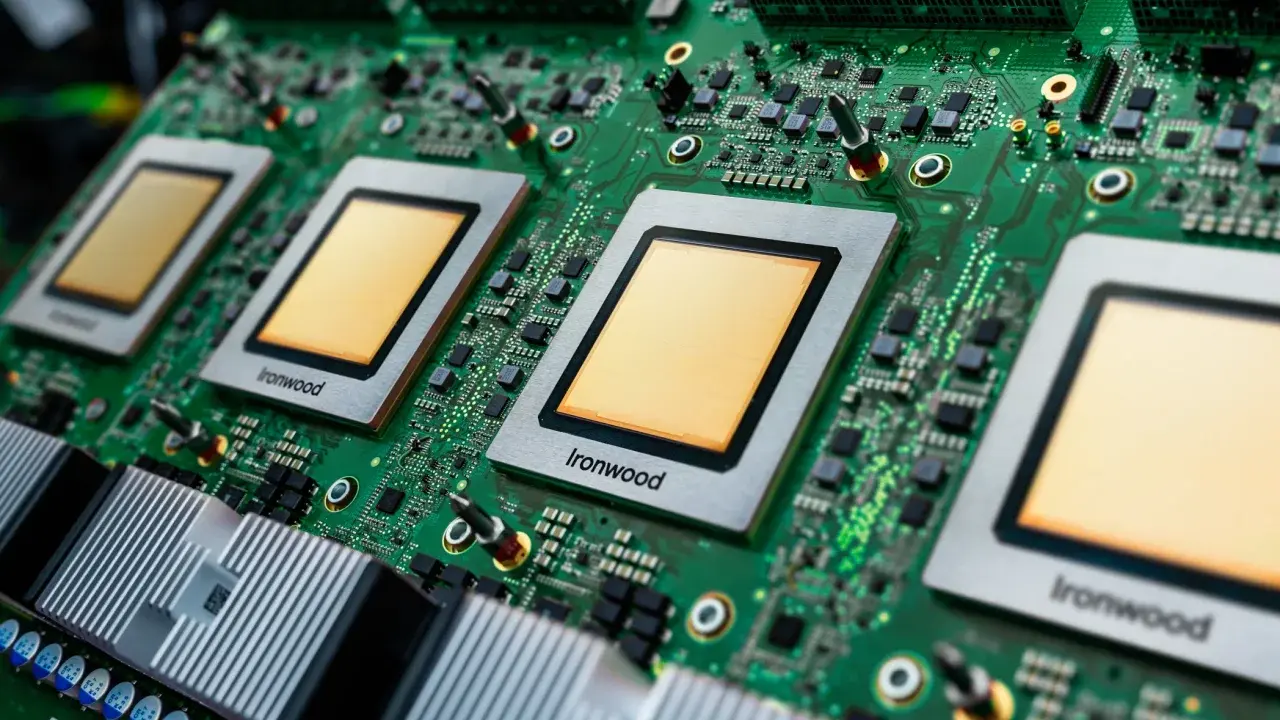
Google has officially reached a strategic agreement with Intel to manufacture over three million custom TPU units by 2028. This partnership follows an extensive period of rigorous testing conducted by Google regarding Intel’s advanced chip packaging capabilities. By securing this massive supply chain arrangement, Google aims to diversify its hardware production strategy and mitigate risks associated with high-performance processor manufacturing. This move signifies a major shift in the semiconductor industry, as tech giants look toward new domestic and international alternatives to meet the escalating demands of artificial intelligence workloads and next-generation data center infrastructure.
- Google plans to produce more than three million TPU units through Intel by 2028.
- Nvidia is reportedly exploring Intel’s packaging technology for its upcoming Feynman architecture processors.
- Intel’s EMIB technology serves as a critical alternative to TSMC’s capacity-constrained CoWoS process.
- SK hynix is currently evaluating the compatibility of its high-bandwidth memory with Intel’s packaging infrastructure.
Intel’s advanced packaging technology has emerged as a primary solution for industry leaders facing critical supply chain bottlenecks.
Intel’s Advanced Packaging Technology Offers New Solutions
The semiconductor landscape is witnessing a transformation as major players seek to reduce their reliance on traditional manufacturing hubs. For over two years, TSMC’s CoWoS (Chip-on-Wafer-on-Substrate) production process has struggled to keep pace with the explosive growth of AI chip demand. As capacity limits remain a persistent challenge, companies like Google are turning to Intel’s specialized manufacturing services to maintain their competitive edge in high-performance computing.
Reports suggest that Nvidia is also in high-level discussions with Intel regarding the production of its future Feynman architecture chips. These sophisticated processors are expected to integrate four distinct GPU dies into a single high-performance unit. 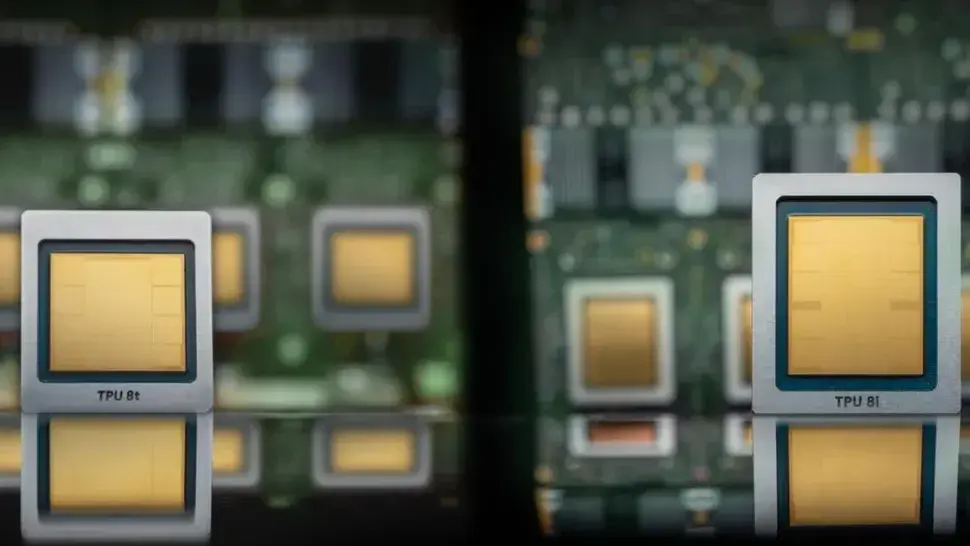 Such a complex design requires robust, reliable, and scalable packaging solutions, a domain where Intel is aggressively positioning itself as a leader.
EMIB Technology Addresses Industry Manufacturing Constraints
At the heart of this transition is Intel’s Embedded Multi-die Interconnect Bridge (EMIB) technology. This proprietary interconnect solution enables seamless communication between multiple dies, providing a viable path for large-scale production through the end of the decade. Unlike conventional methods, EMIB allows for greater flexibility in chip design, which is essential for the modern accelerators used in intensive machine learning environments.
The widespread adoption of EMIB technology establishes Intel as a pivotal force in the global semiconductor manufacturing ecosystem.
Furthermore, memory manufacturers such as SK hynix are actively verifying that their high-bandwidth memory modules operate optimally within Intel’s packaging environment. These validation processes ensure that the final silicon products meet the strict performance standards required for modern data centers. As these partnerships mature, they reflect a broader industry trend toward horizontal integration and the prioritization of supply chain resilience.
The shift toward these collaborative efforts signals a new era for hardware development, where specialized packaging often proves more critical than the transistor count itself. As Google and Nvidia integrate these advanced solutions into their roadmaps, the market share for high-end foundry services is poised for a significant redistribution. The industry will closely monitor the operational milestones of these agreements as the 2028 production window approaches.
We would love to hear your perspective on this shift in the semiconductor industry; how do you think the collaboration between Google, Nvidia, and Intel will influence the future of chip manufacturing competition?
Your comment has been submitted,
it will be published after approval.