
Google Slashes Play Store Commission Rates to 10 Percent

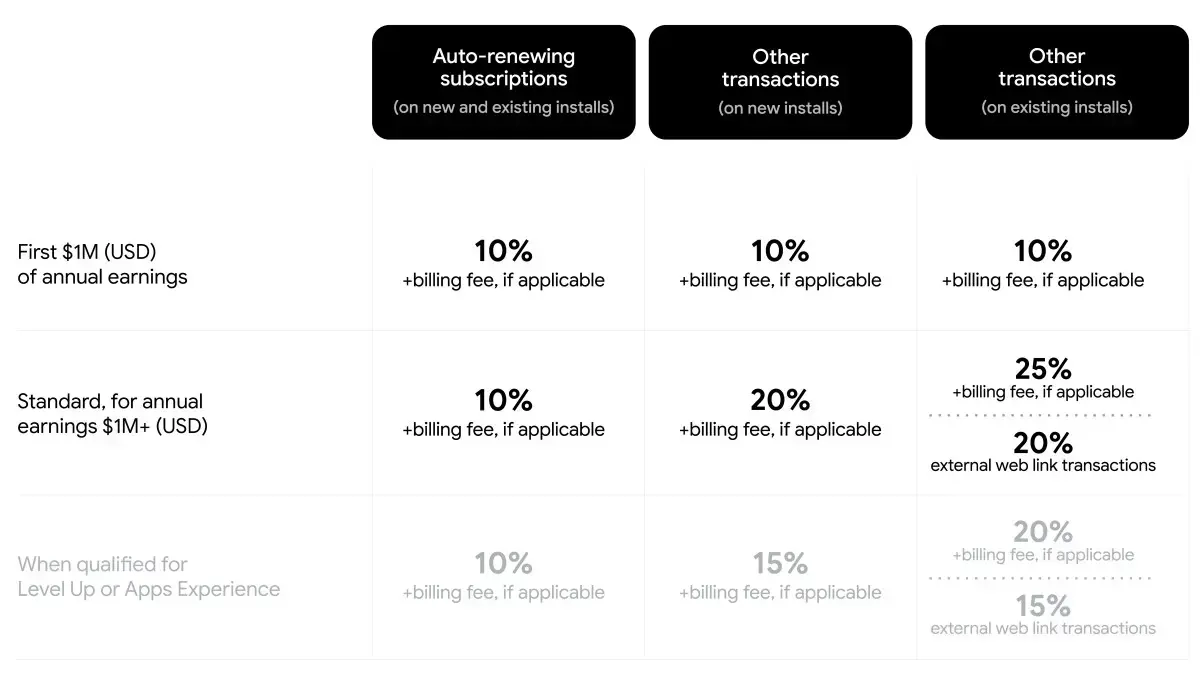
In a historic shift for the mobile application ecosystem, Google has officially announced a significant reduction in its Google Play Store commission rates following intense legal pressure and global scrutiny. The tech giant revealed that developers earning up to $1 million annually will see their base commission cut to 10%, a drastic move from the previous 30% standard. This policy update follows a long-standing legal battle with companies like Epic Games and aims to reshape revenue sharing models. The changes will be rolled out globally across a phased schedule, marking a major turning point for millions of independent developers and game studios worldwide.
- Google has reduced its base commission rate to 10% for developers earning under $1 million annually.
- The company will permit third-party payment systems to bypass its proprietary billing infrastructure.
- A phased global rollout will finalize the implementation by September 2027 in various regions.
- New incentive programs aim to reward high-quality applications with further reduced service fees.
Google Play Store Commission Rates are Officially Lowered
The revised financial structure introduces a tiered approach to platform fees. While the base rate for smaller developers is set at 10%, those who opt to utilize Google’s integrated billing and collection infrastructure will face an additional service fee. In regions like the United States, the United Kingdom, and the European Economic Area, this brings the total effective commission to 15%. This adjustment provides much-needed financial relief to small and medium-sized enterprises that have long struggled with the platform’s high overhead costs.
This strategic pivot represents the most significant change to the platform’s revenue model since its inception.
Third-Party Payment Systems are Now Being Authorized
Breaking away from its closed-loop ecosystem, Google is finally embracing third-party payment alternatives. This decision is widely viewed as a direct response to global anti-monopoly investigations. By allowing developers to offer their own payment processing methods, Google is granting creators more autonomy over their financial transactions. However, this transition will not occur simultaneously for all users. The global deployment schedule begins on June 30 in the US, UK, and EEA, followed by Australia in September and Japan/South Korea by the end of the year.
Global Rollout Schedules are Being Implemented
The implementation timeline is highly structured across different international markets. While Western markets will see these changes take effect relatively soon, other regions are set for a longer transition period. 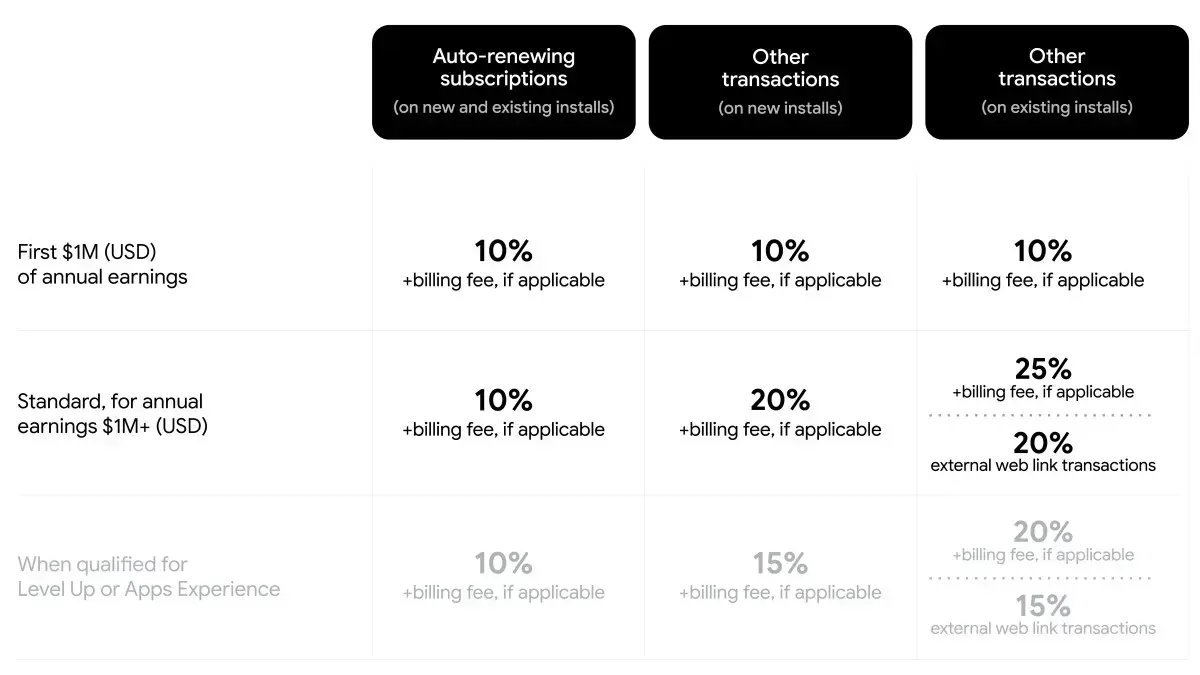 Notably, Turkey and several other global territories are scheduled to receive these updates by September 30, 2027. Despite this later date, Turkish game studios that maintain corporate operations in the US or Europe may be eligible to benefit from these reduced commission rates much sooner, providing a competitive advantage for the country’s thriving mobile export sector.
The integration of local payment methods could further reduce operational costs for developers in emerging markets.
New Quality Incentive Programs are Being Launched
In addition to fee reductions, Google is introducing “Games Level Up” and “Apps Experience” programs to foster ecosystem quality. These initiatives will offer additional fee incentives for developers who meet strict optimization and user experience criteria. By rewarding excellence rather than just volume, Google hopes to elevate the overall standard of the Play Store. 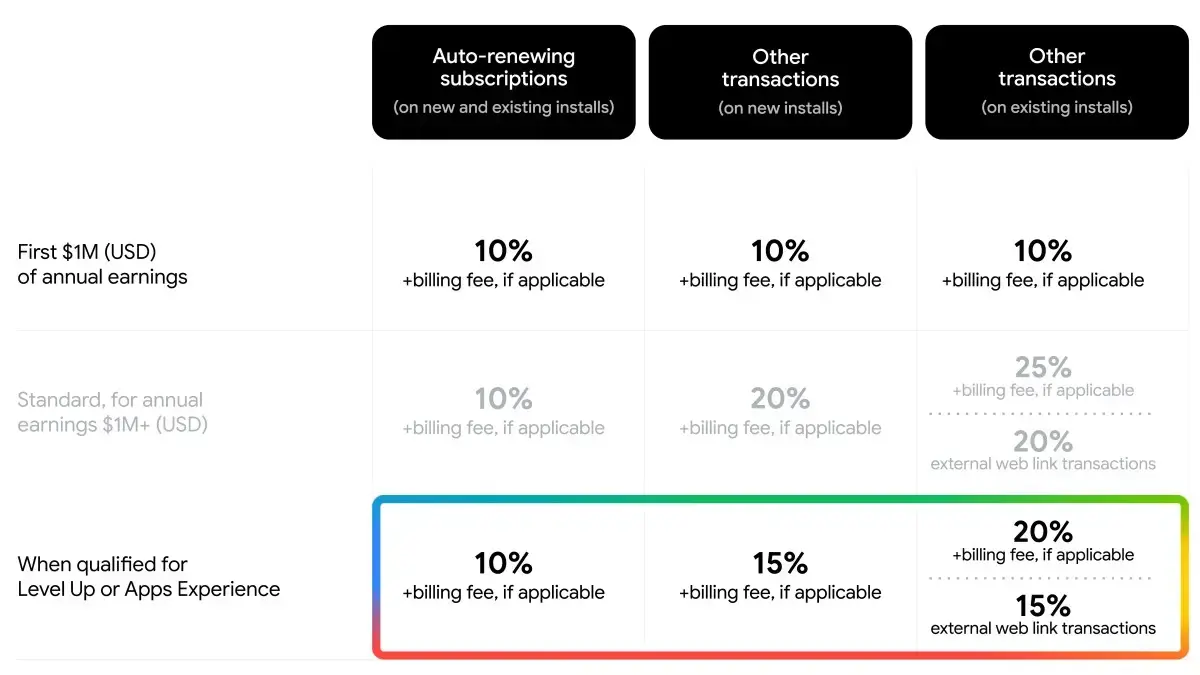 These programs are expected to launch globally on September 30, promising to reshape how developers prioritize their development efforts in the coming years.
How do you think these lower commission rates will influence the quality and pricing of your favorite mobile applications? We invite you to share your thoughts and predictions in the comments section below.
Your comment has been submitted,
it will be published after approval.