
Google Unveils Gemini Omni Flash 1.1 for Advanced Video Generation

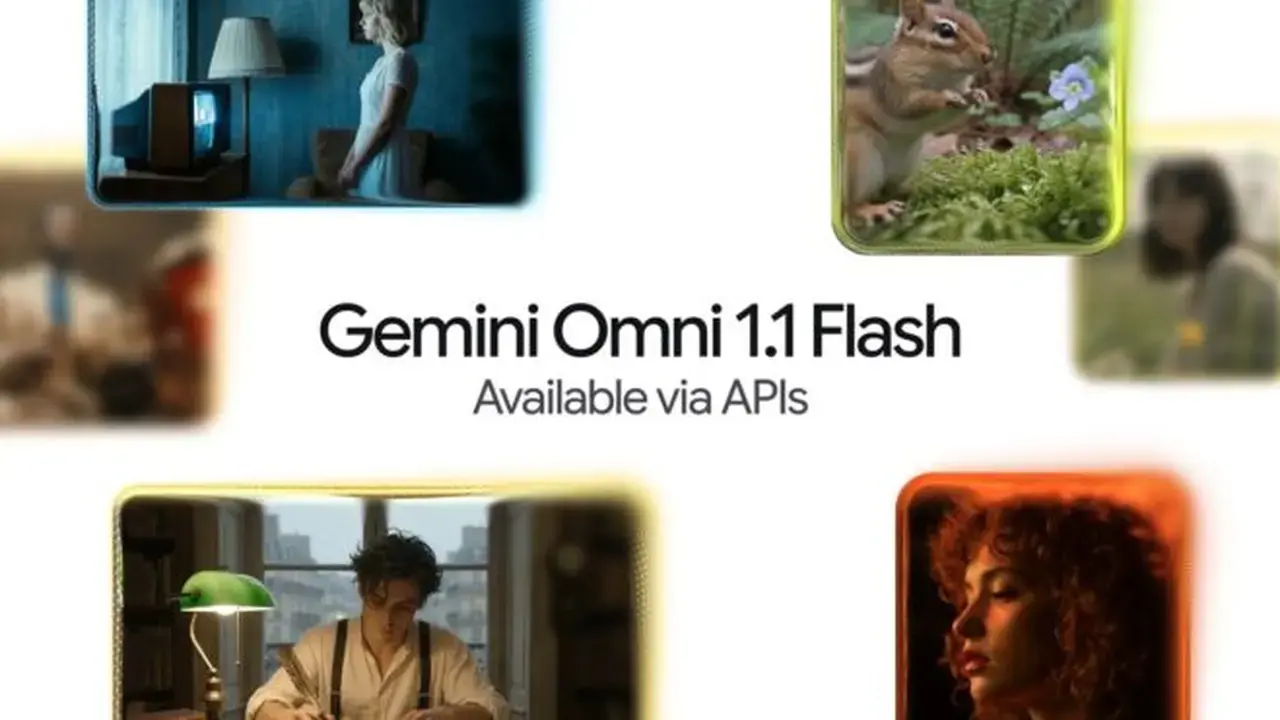
Google officially launched the Gemini Omni Flash 1.1 video model during a recent event, significantly elevating the capabilities of artificial intelligence in multimedia processing. Designed to handle text, audio, images, and video simultaneously, this new iteration focuses on providing professional-grade video production and editing workflows. Developers can now access the model via Google AI Studio to leverage its sophisticated architecture. By introducing advanced features like retrospective analysis and optimized rendering, the tech giant aims to redefine industry standards for AI-assisted video creation, offering creators unprecedented control over their visual narratives and motion sequences.
- The Gemini Omni Flash 1.1 model utilizes a 10-second retrospective analysis window to ensure visual consistency.
- Users can extend video clips in 10-second increments up to a maximum duration of 40 seconds.
- The model improves processing speed by 60 percent by utilizing a 360p resolution for initial draft generation.
- Advanced tools allow creators to define camera movements using three-second reference clips.
Retrospective Analysis Enhances Video Fluidity
Previous iterations of AI video models often relied solely on the final frame to generate subsequent content, which frequently resulted in disjointed transitions and visual artifacts. Google has addressed these limitations in Gemini Omni Flash 1.1 by implementing a 10-second retrospective analysis system. This technical update allows the model to better interpret the context of the preceding action, ensuring that camera movements remain natural and coherent. By analyzing a longer temporal window, the model maintains scene integrity, resulting in smoother transitions and more realistic motion, even in complex sequences that involve dynamic subject changes.
Processing Speed Improves With Resolution Adjustments
Google has adopted a performance-oriented strategy by modifying the default resolution for draft generation from 720p to 360p. This adjustment effectively reduces the computational load on the system, leading to a substantial 60 percent increase in production speed. This hybrid approach ensures that developers and creators receive rapid feedback during the design phase without sacrificing the final quality of their work. Once the desired outcome is achieved, users retain the ability to export the final assets in high-definition formats, including 1080p and 4K, ensuring that speed does not come at the cost of visual fidelity.
Advanced Scene Composition Tools Facilitate Workflow
In addition to performance upgrades, Google has introduced sophisticated tools that empower creators to manage specific scene compositions. By allowing users to set precise start and end points for shots, the model enables the design of custom camera movements. Furthermore, the integration of three-second reference clips serves as a guide for the AI, helping it comprehend the intended composition more accurately. This functionality significantly streamlines the manual editing process, making it an essential asset for advertising and digital content creators who require efficient yet high-quality production pipelines. These updates position the model as a central component in modern professional video workflows.
How do you anticipate the new speed and precision of Gemini Omni Flash 1.1 will change your current content creation workflow? Please share your thoughts on the role of AI in professional video editing in the comments section below.
Your comment has been submitted,
it will be published after approval.