
Grok AI Reportedly Influenced Trump’s Decision to Capture Maduro

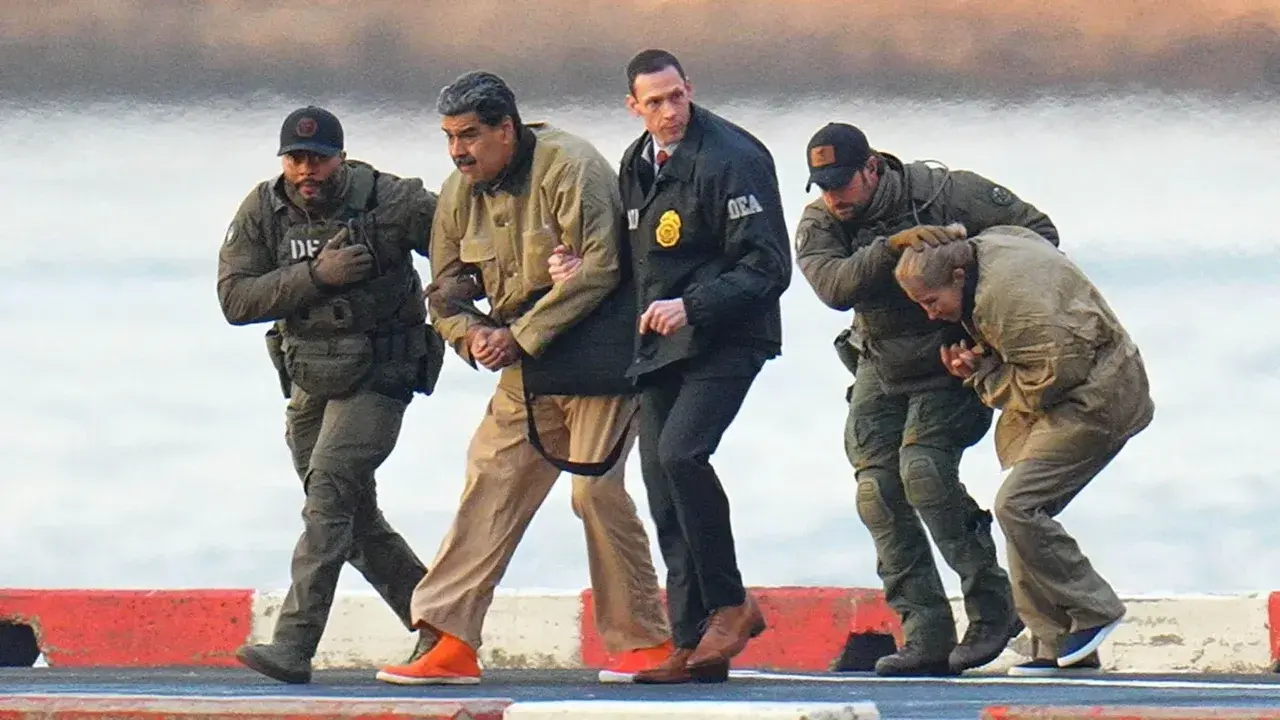
A recent report from Time magazine has revealed that U.S. President Donald Trump consulted the Grok artificial intelligence chatbot during a private meeting with Elon Musk in December 2025 regarding a potential military operation in Venezuela. During this high-level discussion, which took place several months after Musk exited his role in the Department of Government Efficiency, Trump sought the AI’s strategic analysis on the public reaction to the potential capture of Venezuelan President Nicolás Maduro. Sources indicate that the President was significantly influenced by the model’s assessment, which characterized Maduro as an unpopular leader whose removal would be largely welcomed by the Venezuelan population.
- President Trump utilized the Grok AI model to evaluate the strategic risks and public perceptions surrounding the potential capture of Nicolás Maduro.
- The successful U.S. intervention in Venezuela on January 3, 2026, reinforced the administration’s reliance on AI-driven decision-making processes.
- The Pentagon has officially integrated artificial intelligence models into its tactical operations for target identification and combat planning.
- Elon Musk and defense technology leaders have formed a new working group to determine the future integration of advanced technologies in warfare.
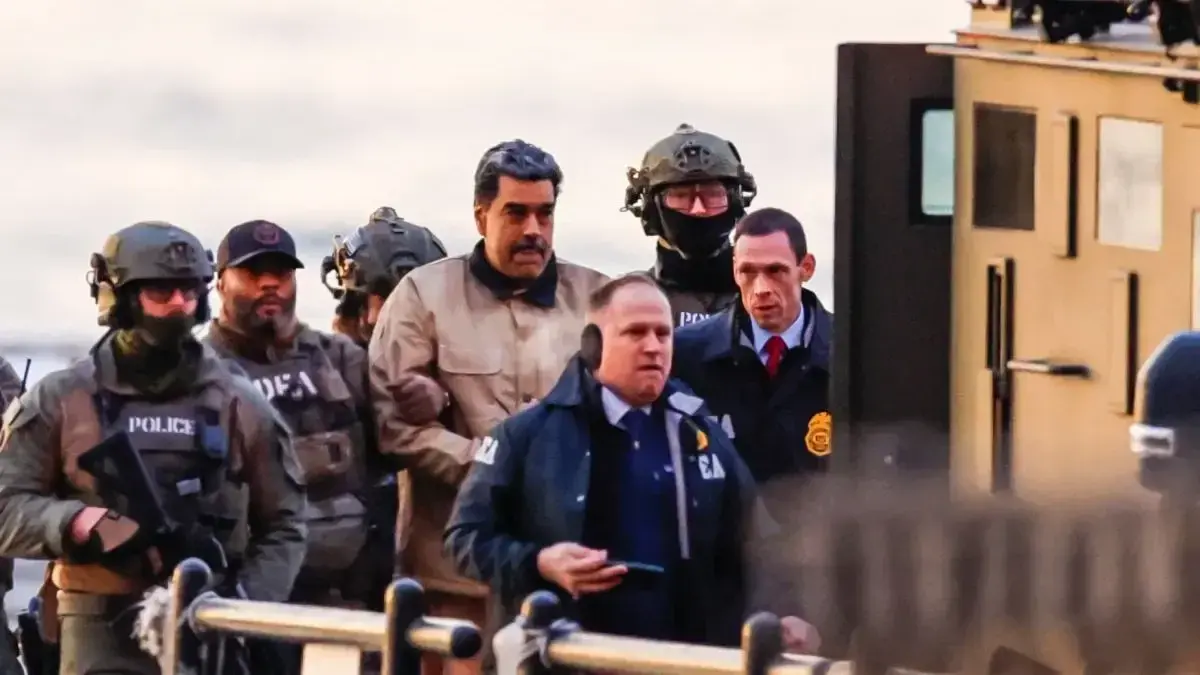
The strategic reliance on advanced technology models gained further visibility following the events of January 3, 2026, when U.S. forces successfully executed an operation that led to the capture of the Venezuelan leader. This development has transformed the discourse surrounding the role of autonomous intelligence in high-stakes geopolitical maneuvering. Prior to this, the administration had already initiated military actions against Venezuelan maritime vessels suspected of drug trafficking in September 2025, a period during which public interest in the capabilities of Grok regarding regional stability began to surge significantly.
Pentagon Expands AI Integration for Military Operations
The institutional adoption of AI within the U.S. military has moved beyond experimental phases. In June, the head of the Pentagon’s AI division confirmed that the military utilized the specialized Gov Grok model to identify targets and coordinate strikes during the conflict with Iran. While the Department of Defense maintains partnerships with various technology firms, including OpenAI and Anthropic, Grok has secured a prominent position within the current defense framework, largely due to its technological alignment and the close working relationship between the administration and Elon Musk.
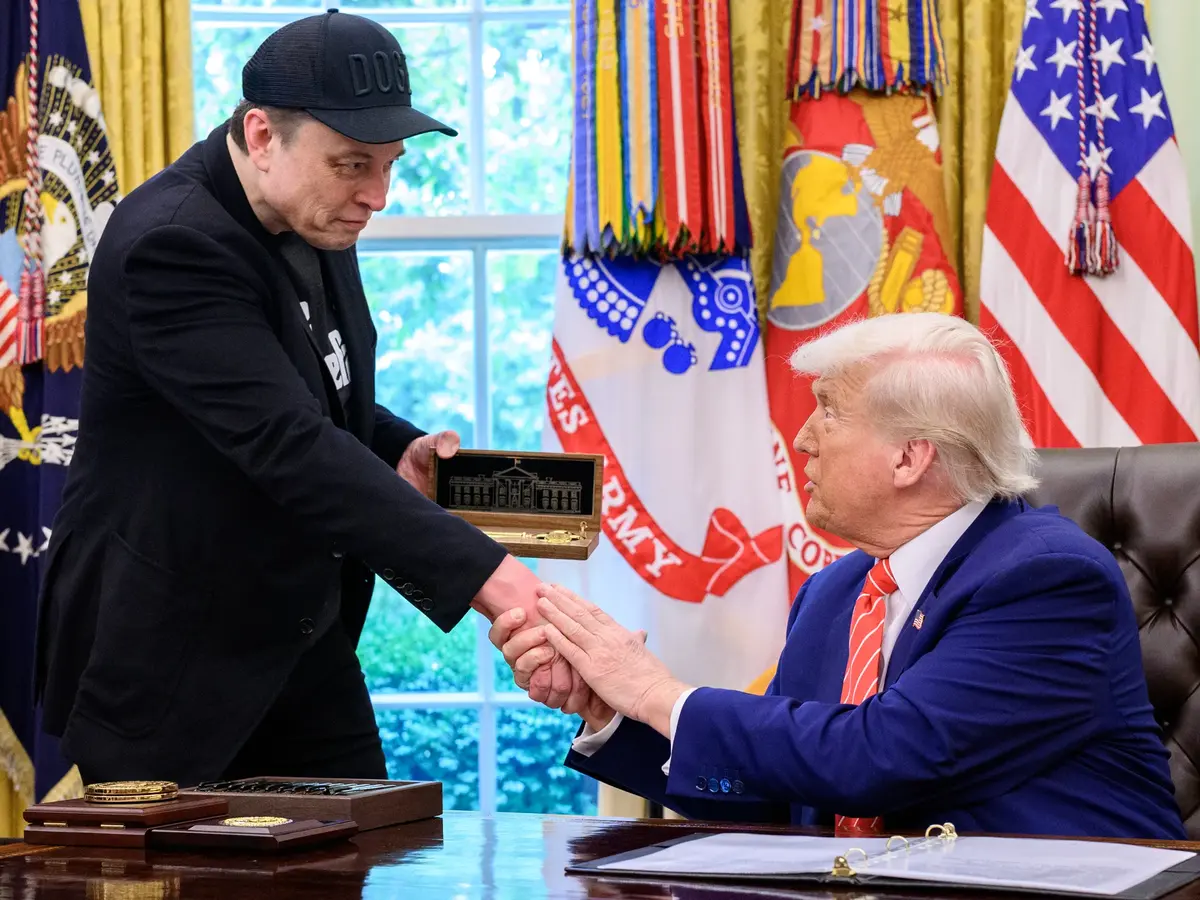
The shift toward automated decision-making is not without its critics. As the U.S. deepens its reliance on these sophisticated computational models for intelligence gathering and combat execution, the global community has raised questions regarding the oversight of such autonomous systems. The integration of artificial intelligence into the military apparatus marks a departure from traditional human-centric tactical planning, introducing new variables into international security protocols.
Working Groups Define Future Military Technologies
To navigate the complexities of this transition, the Pentagon announced the formation of a specialized working group led by Elon Musk and Anduril Industries founder Palmer Luckey. This initiative aims to establish a robust technological foundation for future military strategy, focusing on the ethical and operational implications of deploying AI on the battlefield. As the nature of modern warfare continues to evolve, the influence of software models on political and military leadership will remain a critical subject of scrutiny. The ongoing development of these technologies suggests that the paradigm of conflict resolution is being permanently altered by algorithmic influence.
The rapid integration of artificial intelligence into high-stakes military decision-making raises profound questions about accountability and ethics in warfare. We invite our readers to share their thoughts in the comments section below: Do you believe it is safe to rely on AI models as primary decision-makers in sensitive military operations?
Your comment has been submitted,
it will be published after approval.