
HAVELSAN Unveils New AVISTA Underwater Vehicle for Precision Missions

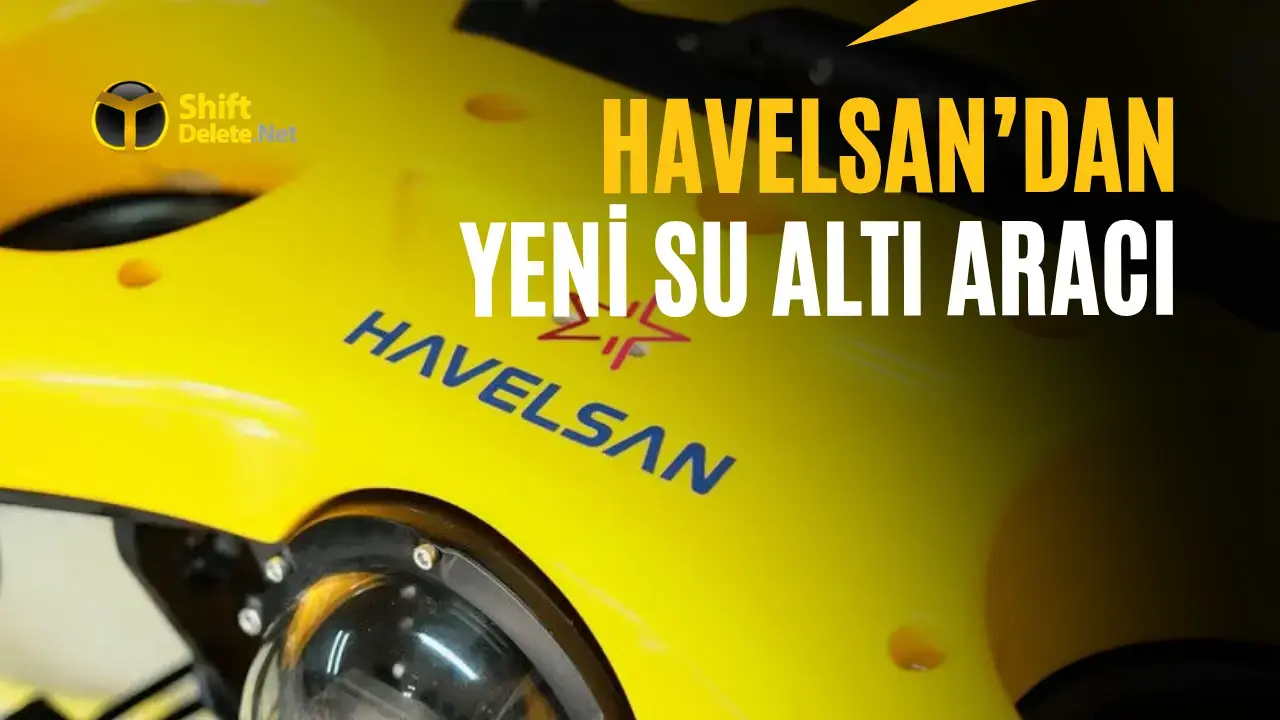
HAVELSAN has officially expanded its autonomous technology portfolio with the introduction of the AVISTA Underwater Vehicle, a sophisticated platform developed through the company’s internal research and development resources. This cutting-edge system is scheduled to make its public debut at the TEKNOFEST Mavi Vatan event, hosted by the Gölcük Shipyard Command between August 20 and 23. By leveraging extensive experience gained from previous unmanned maritime projects like SANCAR and RAFNAR, HAVELSAN aims to address critical challenges in sub-surface navigation and data collection through the specialized capabilities of the AVISTA platform.
- The AVISTA vehicle provides precise navigation in environments where GNSS signals are unavailable.
- The system performs complex tasks including 3D underwater mapping and hull inspections.
- Potential applications extend to search and rescue operations as well as civilian infrastructure security.
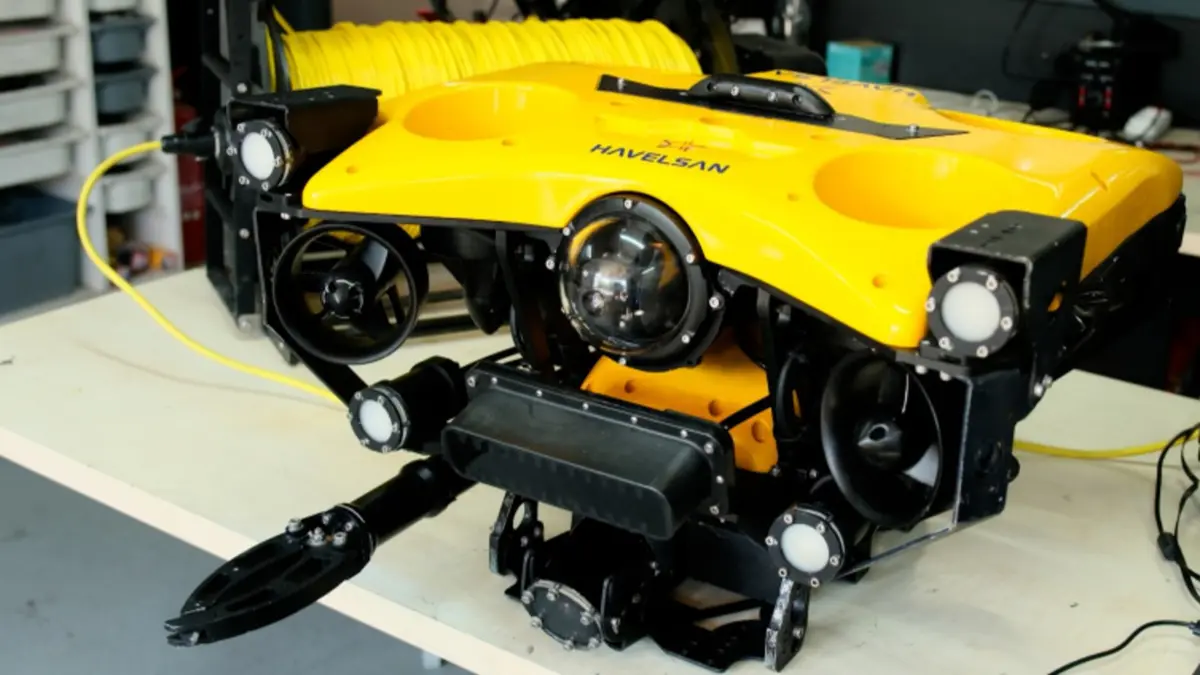
Engineers Solve Underwater Navigation Challenges
One of the primary obstacles for autonomous underwater vehicles is the inability to rely on satellite-based positioning systems, which are effectively blocked by the water column. To mitigate this, AVISTA integrates an advanced, unified positioning framework that enables the vehicle to determine its location independently while simultaneously generating high-resolution maps of the surrounding environment.
This innovative mapping capability allows the vehicle to operate autonomously in complex, high-stakes underwater environments.
Vehicle Conducts Detailed Hull Inspections
The operational versatility of the platform extends to the critical task of performing comprehensive ship hull inspections. AVISTA can identify potential structural damage or anomalies on submerged vessel sections, providing maritime authorities with essential visual and diagnostic data without requiring divers to enter hazardous environments.
Beyond military applications, the vehicle is being evaluated for the protection of critical sub-sea infrastructure. This includes the surveillance of energy pipelines, power cables, and the structural integrity of port facilities, ensuring long-term operational safety for vital maritime assets.
Rescuers Utilize Advanced Searching Capabilities
The scope of the AVISTA project reaches far beyond traditional defense roles, as the vehicle is designed to support humanitarian and forensic missions. HAVELSAN emphasizes that the platform can be deployed for underwater search-and-rescue operations and the investigation of forensic evidence in maritime settings, bridging the gap between security-focused defense work and essential civilian public service.
The transition from surface-based unmanned systems to deep-sea exploration marks a significant milestone in the company’s R&D strategy.
By bringing this technology to the upcoming TEKNOFEST Mavi Vatan event, the company intends to demonstrate its commitment to advancing national underwater capabilities. The public exhibition of the vehicle will provide stakeholders and technology enthusiasts with a closer look at how this platform intends to redefine autonomous operations in the challenging depths of the Blue Homeland.
How do you think autonomous underwater vehicles like AVISTA will change the future of maritime security and deep-sea exploration? Share your thoughts and predictions in the comments section below.
Your comment has been submitted,
it will be published after approval.