
Hidden iPhone Duo Setting Enhances Third-Party Case Compatibility

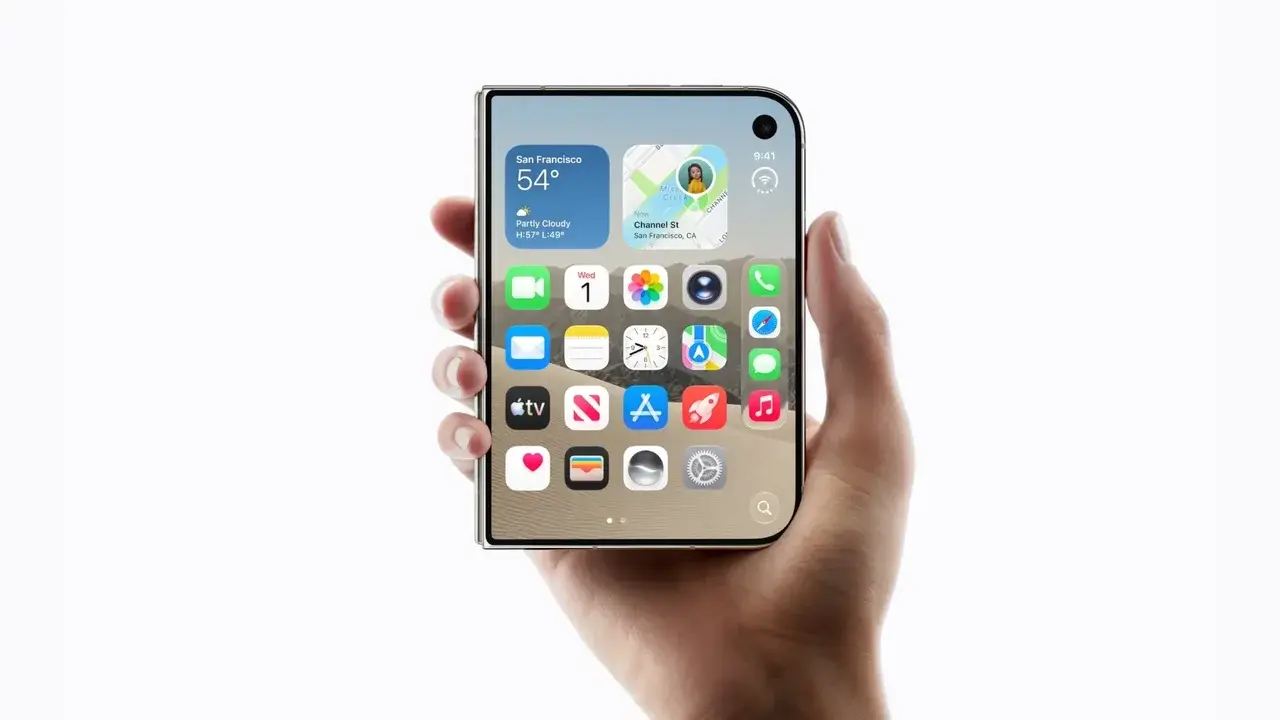
Apple recently introduced the iPhone Duo, which includes a newly discovered display feature designed to improve user experience with various accessories. Spotted by tech blogger Nicolas Lellouche within the “Display & Brightness” menu, this “Slide Left Edge” setting addresses potential navigation issues caused by protective cases. The setting will be available to the public when the iPhone Duo officially hits the market, with pre-orders beginning on October 16 and general sales starting on October 23. This software-based solution demonstrates Apple’s commitment to maintaining seamless gesture functionality across its latest hardware lineup.
- Apple integrated a specific display adjustment feature into the iPhone Duo to enhance compatibility with external protective cases.
- The setting introduces a narrow black border on the left side of the screen to ensure that iOS back-swipe gestures function correctly.
- Pre-orders for the new device are scheduled to begin on October 16 with a full retail release following on October 23.
Software Adjustment Solves Case Compatibility Challenges
Apple’s design philosophy often focuses on the intersection of hardware and software, and the iPhone Duo is no exception. While the device features a sleek and modern aesthetic, its physical dimensions can sometimes interfere with the precise touch gestures required by the iOS operating system. The discovery of the “Slide Left Edge” setting highlights how the company is proactively addressing these potential hurdles. By allowing users to slightly shift the active display area away from the physical bezel, Apple ensures that the essential “swipe to go back” motion remains accessible even when the screen’s edge is partially obstructed. This small but significant change shows how deeply the company considers the daily usability of its products.
Third-Party Accessory Manufacturers Benefit From Display Changes
While Apple is set to release its own line of official accessories, including standard protective covers and kickstand-equipped folio cases, the market for third-party shells remains vast. Many of these external products prioritize maximum protection, which often results in thick edges that wrap around the front of the device. These rugged designs can make it difficult for fingers to reach the very edge of the glass where gestures are initiated. The new software toggle effectively creates a digital buffer zone, meaning users do not have to choose between high-level protection and ease of navigation. This move suggests that Apple recognizes the importance of the broader accessory ecosystem for its consumer base. 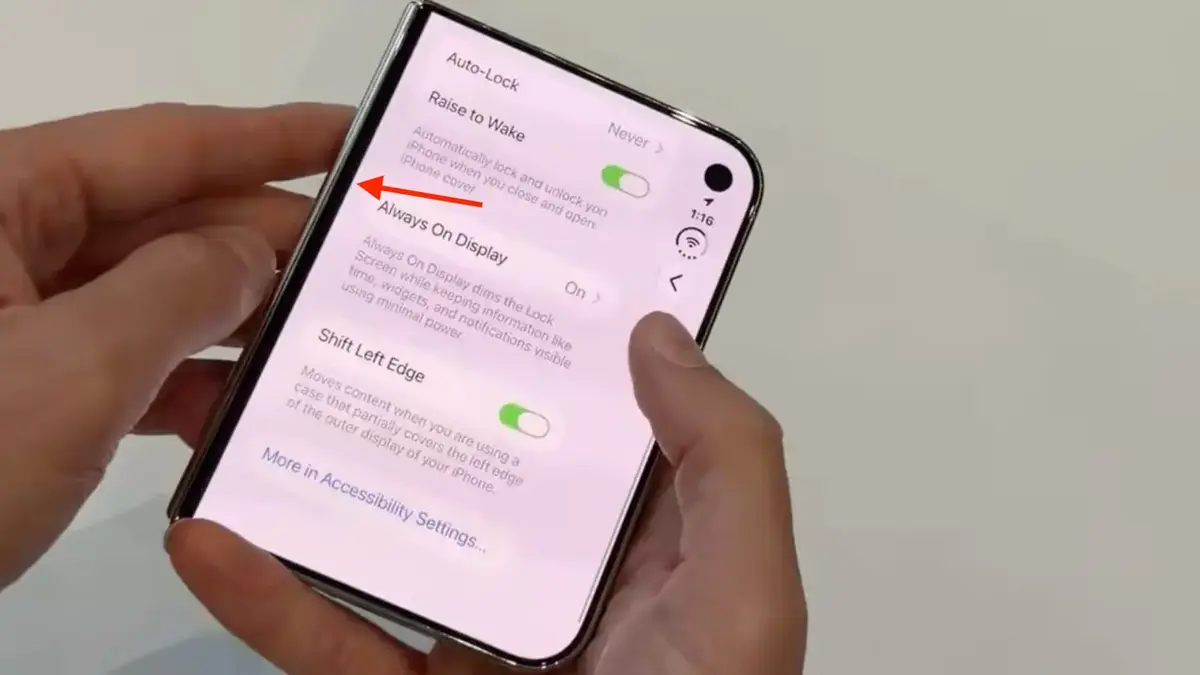 Furthermore, the flexibility of this setting allows the iPhone Duo to be compatible with a wider variety of ergonomic designs that might have previously been considered impractical.
Apple Prepares for the Global Market Launch
As the release date approaches, industry analysts are closely watching how these small software refinements will impact overall consumer satisfaction. The iPhone Duo represents a significant step for the company, particularly in how it handles screen real estate and user interaction. The ability to customize the display boundary is a relatively rare feature in the smartphone world, usually reserved for accessibility settings or specific gaming modes. By bringing this to the forefront of the iPhone Duo experience, Apple is setting a new standard for how manufacturers can accommodate varied user preferences and physical hardware limitations. The strategic launch window starting in mid-October aims to capture the early holiday shopping demographic while establishing the Duo as a versatile premium choice.
Early Reviews Will Determine the Feature’s Real-World Success
The true test of this hidden setting will occur once the devices reach the hands of early adopters and professional reviewers. While the technical logic behind adding a black border is sound, some users might find the loss of a few pixels of screen space to be a significant trade-off. However, for those who rely on heavy-duty cases for outdoor or industrial use, the trade-off is likely viewed as a necessary and welcome optimization. The tech community is eager to see if this functionality remains exclusive to the Duo or if it will eventually be rolled out to other models within the iPhone ecosystem. As the industry moves toward more complex form factors, such as foldables, these software bridges between hardware and accessories will likely become more common. The official retail launch on October 23 will finally provide the data needed to evaluate user adoption rates for this specific display mode.
Do you believe that sacrificing a small portion of your screen is a fair trade for better case compatibility? Share your thoughts on whether Apple should continue developing software workarounds for hardware limitations in the comments below.
Your comment has been submitted,
it will be published after approval.