
In recent months, tech enthusiasts and PC builders have faced a significant challenge: high RAM prices. While this trend makes memory and storage upgrades more difficult for consumers, it has created a historic opportunity for manufacturers. The immense demand from the artificial intelligence industry is causing these companies to report record-breaking profits.
Why High RAM Prices Mean Record Profits for Manufacturers
While consumers grapple with rising costs, memory manufacturers are experiencing a golden age. Industry giants like Samsung, SK Hynix, and Micron are converting the surging demand and high prices into unprecedented earnings. For example, Samsung Electronics forecasts an operating profit of approximately $13.8 billion for the fourth quarter of 2025. This figure is nearly triple the profit from the same period in 2024.
Similarly, SK Hynix, which focuses heavily on memory production, reported its “highest quarterly performance in history” with an operating profit of about $7.8 billion in the third quarter of 2025. The company directly attributes this success to the “expansion of investments in artificial intelligence infrastructure.” Furthermore, Micron, which has exited the consumer market but continues corporate sales, also reported a significant year-over-year increase in net income, achieving the “highest free cash flow in the company’s history.”
The Main Driver: Unpacking the AI Boom’s Impact
So, what is behind the situation that caused a 32GB DDR5 RAM kit to jump from $80 to $340 in just a few months? The answer lies largely in the artificial intelligence explosion. There are two primary reasons for this, and each one exacerbates the other.
- Massive Demand: Firstly, AI companies like OpenAI are competing directly with PC manufacturers and end-users for standard DRAM, which is used in traditional servers and consumer devices. Some estimates suggest that a single AI project has the potential to consume a significant portion of the world’s entire DRAM production.
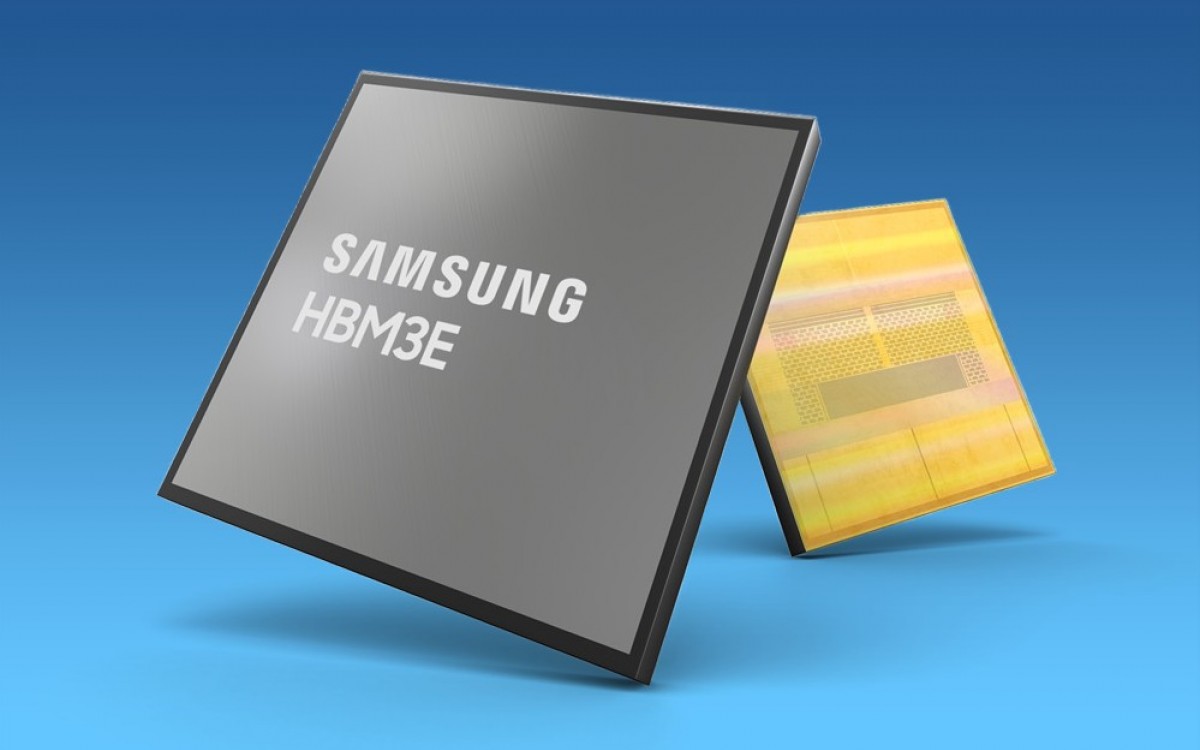
- Reduced Supply: Secondly, producing HBM (High Bandwidth Memory), used in AI data center GPUs, takes up about three times more space on a silicon wafer than the same amount of standard DDR5 memory. Therefore, as manufacturers shift their production capacity to HBM, the amount of standard DRAM they can produce decreases disproportionately.
As a result, both increasing demand and shrinking supply have sent memory prices into the stratosphere. Analysts predict this trend will continue into 2026, and the current shortage could take years to resolve. The only thing that might reverse this course is the bursting of the AI bubble, which seems highly unlikely for now.
So, what are your thoughts on these record RAM prices? Share your opinions with us in the comments!