
HMD Luma2 Smartphone Debuts with 6000 mAh Battery and 120Hz

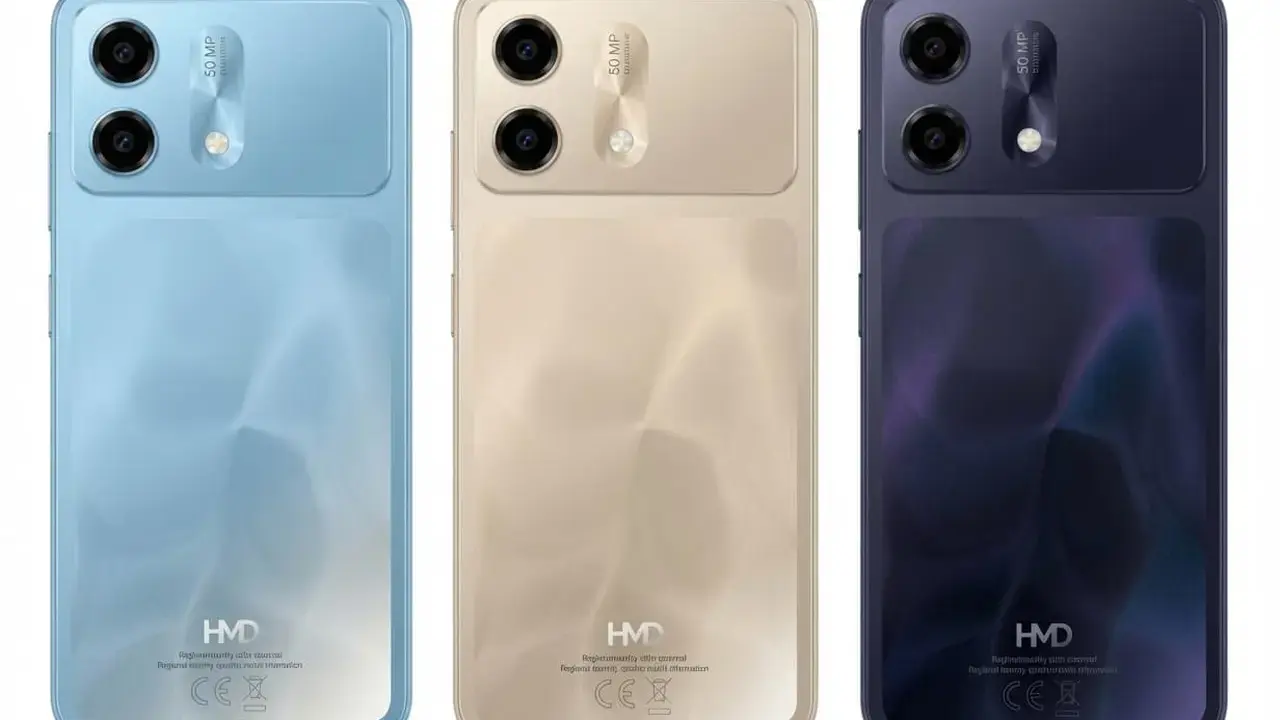
HMD Global is expanding its independent mobile portfolio by developing the new HMD Luma2, an entry-level smartphone designed to capture a significant share of the budget-friendly market. According to recent industry leaks, the device distinguishes itself with a robust 6000 mAh battery and a fluid 120 Hz display, aiming to provide a high-performance experience at an accessible price point. Expected to run on the Android 16 operating system upon release, the HMD Luma2 represents the company’s strategic shift toward establishing its own brand identity outside of the legacy Nokia ecosystem. Industry analysts suggest this model will prioritize longevity and display quality to appeal to cost-conscious consumers.
- The device features a 6.75-inch IPS display with a 120 Hz refresh rate and HD+ resolution.
- Internal hardware includes a Unisoc T7280 processor paired with 4 GB of physical RAM.
- The handset integrates a 6000 mAh battery that supports 18W fast charging technology.
- An IP54 rating ensures the chassis remains protected against dust and water splashes.
Technical Specifications Meet User Expectations
The internal architecture of the HMD Luma2 is built around the Unisoc T7280 platform, providing reliable performance for daily tasks. To enhance multitasking capabilities, the 4 GB of physical RAM can be supplemented with virtual memory expansion, effectively pushing the capacity to 8 GB. Storage options are equally flexible, with users able to select between 128 GB and 256 GB variants, further expandable up to 1 TB via a dedicated microSD card slot.
A 6000 mAh battery capacity positions the HMD Luma2 as a long-lasting device for heavy users.
Camera Performance and Aesthetic Options Emerge
Photography enthusiasts will find a dual-camera setup on the rear, highlighted by a 50-megapixel primary sensor enhanced by artificial intelligence for improved image processing. The front-facing module, dedicated to selfies and video calls, utilizes an 8-megapixel lens. HMD has placed a strong emphasis on design, offering the phone in three distinct finishes: Ice Blue, Light Sand, and Midnight Lake.
The manufacturer has also retained user-friendly features such as a 3.5 mm headphone jack, catering to those who prefer wired audio solutions. Furthermore, the inclusion of OZO Audio Playback technology ensures a refined acoustic experience. These hardware choices reflect a balanced approach to modern mobile design, combining essential utility with contemporary aesthetic trends.
Reliable leaks from industry insiders, who have a proven track record of accurately detailing HMD hardware, suggest that these specifications are highly likely to reach production. By distancing itself from the Nokia name, HMD aims to build a fresh reputation centered on price-to-performance ratios. As the smartphone market continues to evolve, these new-generation devices appear poised to compete against established budget leaders by offering premium battery life and high-frequency displays.
Do you believe HMD can successfully establish itself as a market leader without the Nokia brand name, and how does the 6000 mAh battery capacity influence your interest in this device? Please share your thoughts and expectations in the comments section below.
Your comment has been submitted,
it will be published after approval.