

Honda is revising its strategy based on battery electric vehicles and taking a broader approach. While the company continues its development of fully electric vehicles, it emphasizes that its goal of carbon neutrality is not limited to this technology.
Honda Reduces Electric Vehicle Investments
The Japanese manufacturer, which allocated approximately $68 billion for electrification last year, reduced this budget by 30 percent a few months ago. Similarly, the target that 30 percent of total sales would consist of fully electric models by 2030 is no longer valid.
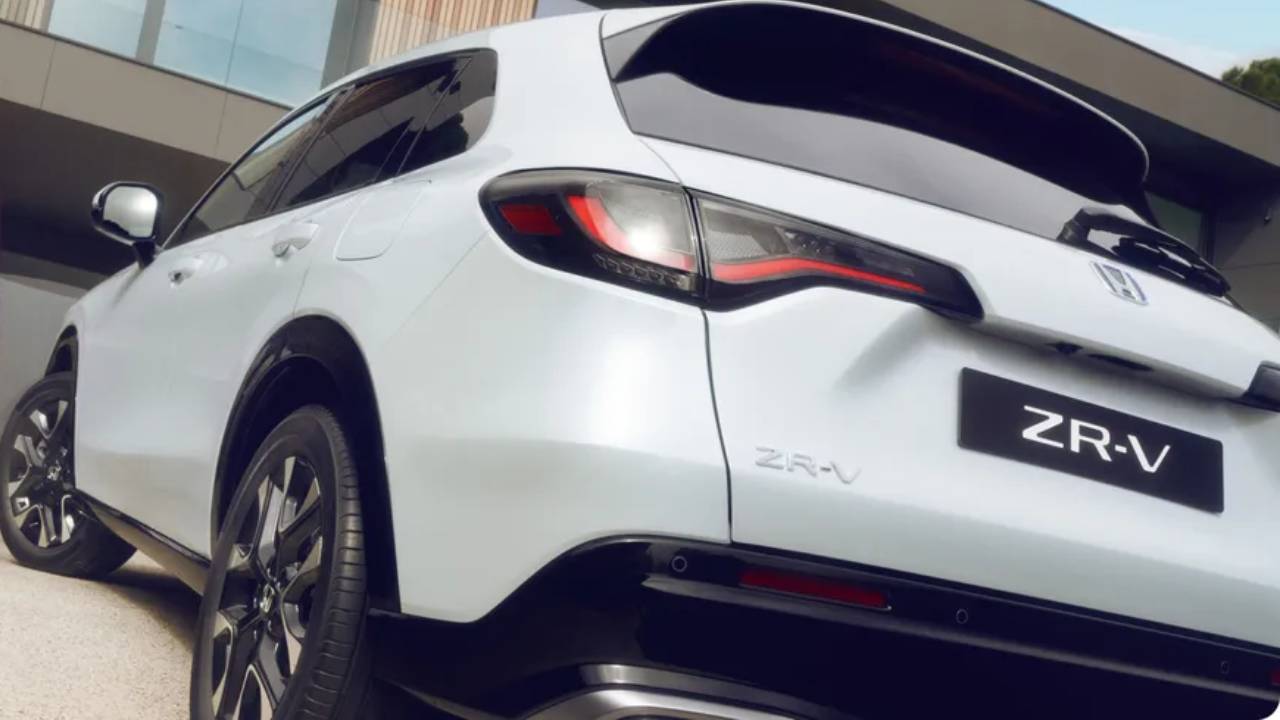
In an interview with Drive, Honda Australia CEO Jay Joseph stated that electric vehicles are just one vehicle, and that the company’s primary goal is carbon neutrality. While Joseph acknowledged that battery electric vehicles offer a sensible solution in the near to medium term, he explained that this technology is not the only path and that they are working on alternative options. While Honda’s solid-state battery development continues, the company also remains open to fuel cell vehicles.
Honda previously abandoned hydrogen at an early stage with the Clarity model. However, there have recently been signs of a renewed focus on this technology. The CR-V e:FCEV model has brought the hydrogen fuel cell back into the spotlight. This vehicle features both a hydrogen-powered fuel cell and a rechargeable 17.7 kWh battery. The battery provides an additional range of approximately 47 kilometers.
This approach Honda is taking is not limited to the Japanese automotive sector. Toyota continues its work on hydrogen and alternative fuels. A new hydrogen-powered model is planned for launch in 2028 as part of a collaboration with BMW. Hyundai hasn’t abandoned hydrogen technologies either. However, Stellantis announced that it has halted all projects in this area, anticipating that hydrogen will remain a niche segment.