
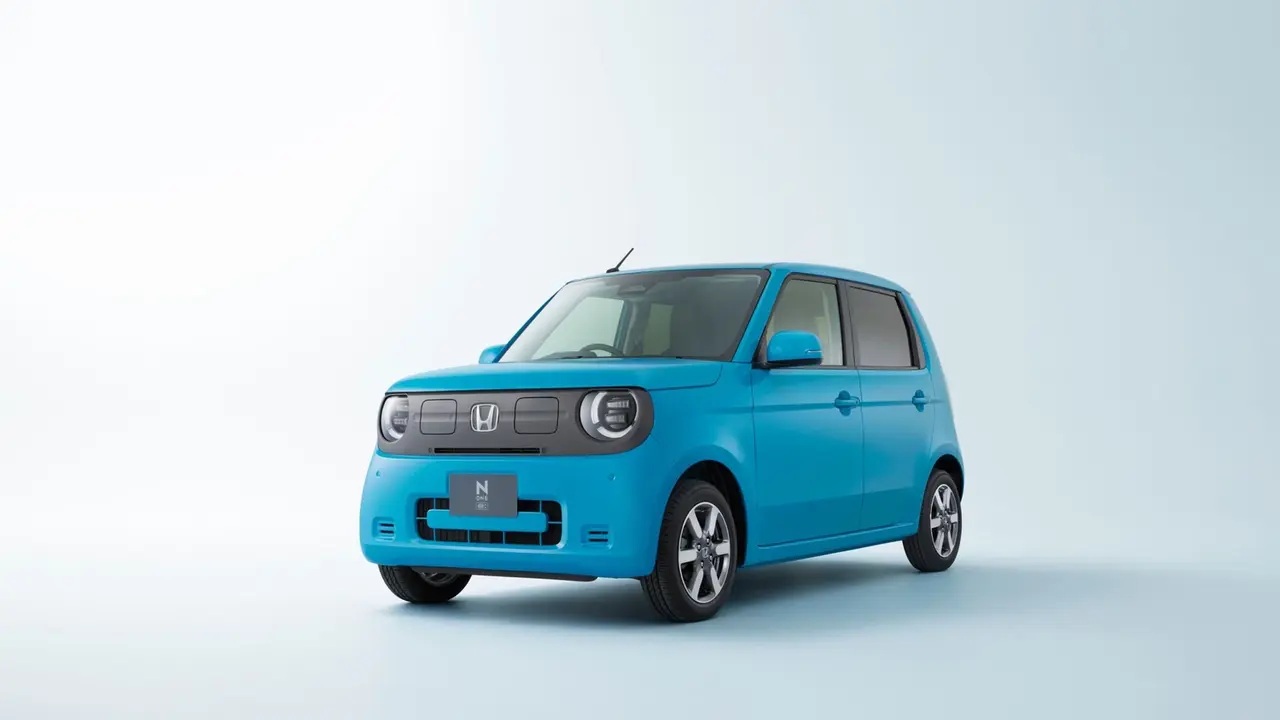
Honda has unveiled the N-ONE e, its new electric minicar specifically designed for urban use in Japan. Positioned in the minicar class known as the “kei car” in Japan, the model is the brand’s second electric vehicle in this class. Following the commercially focused N-VAN e, which was first introduced in 2024, the N-ONE e caters directly to individual users.
Honda Announces the New N-ONE e
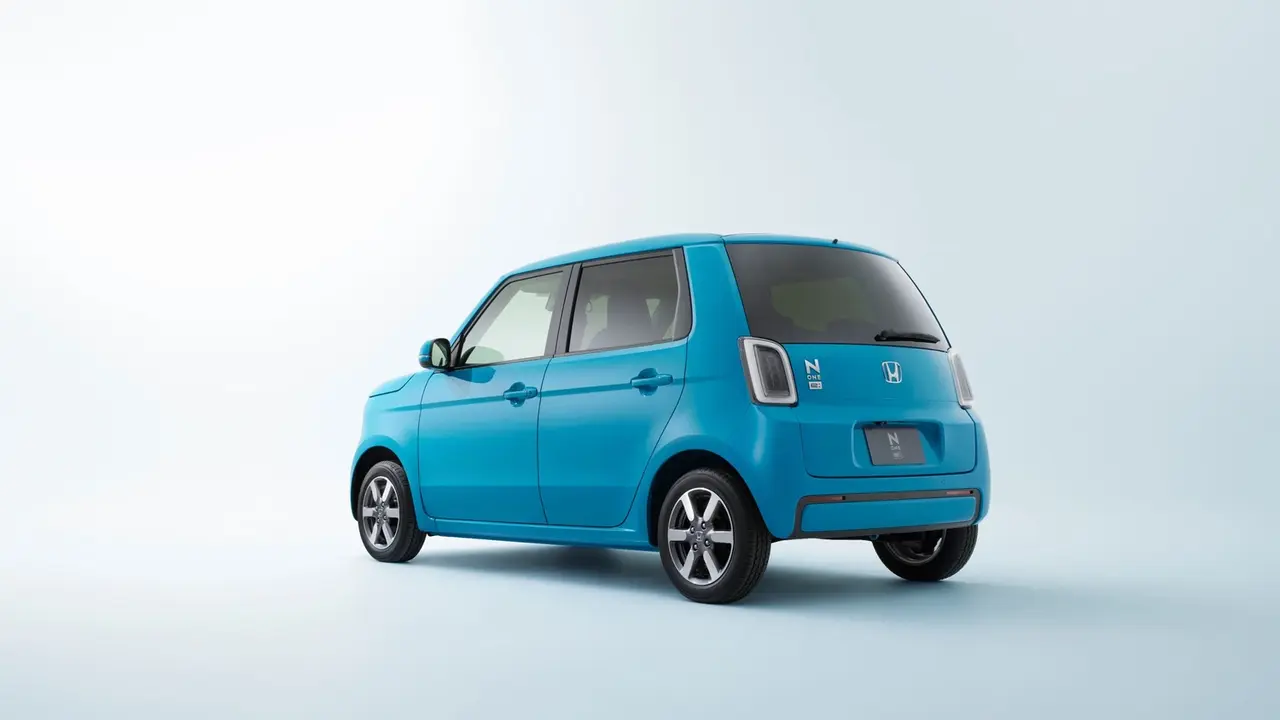
The new model is the electric version of the retro-designed gasoline-powered N-ONE model, sold in Japan since 2012. While the exterior design retains similar lines to its predecessor, the flattened front grille and two charging ports emphasize its electric identity. The bumper design has been rounded, and the overall lines have been reshaped to a smoother form.
Interior space has been prioritized. A simple yet functional layout has been chosen, with the multimedia screen located in the center console, a push-button gear selector, and physical climate controls. Despite its compact dimensions, the cabin is designed to offer both urban practicality and comfort.
Honda announced that the N-ONE e offers a range of over 270 kilometers according to the WLTP standard. This figure was shared before all technical details were released. It is reported that the vehicle shares some components with the N-VAN e. This indicates that the car has an electric motor with up to 63 horsepower, in accordance with Japanese kei car regulations.
The N-ONE e also features “Vehicle-to-Home Energy Transfer” (V2H). This technology allows the vehicle to become a mobile energy source in emergencies such as power outages and natural disasters. It can also be used to power electronic devices during camping, construction sites, or outdoor activities.
Pre-orders for the model will begin on August 31st. The official launch will take place in September. The launch will coincide with the launch of Honda’s “Super EV” model for Europe, which will take place at the same time. With the N-ONE e, Honda not only offers a new electric alternative to the kei car segment in the Japanese market, but also continues to expand its vision of electric mobility to a wider range of users.