
Honor Announces MagicOS 11 Based on Android 17

Chinese technology giant Honor has officially launched the early access phase for its major software update, MagicOS 11, which is built upon the foundation of the Android 17 operating system. This significant rollout, currently available to a select group of users in China, introduces a groundbreaking design language known as Liquid Glass. As the smartphone industry continues to prioritize software innovation, Honor aims to differentiate its ecosystem by integrating deep hardware-level visual enhancements with a dynamic, light-reactive interface. The company is currently gathering feedback from early adopters to refine the user experience before a wider global release of this ambitious operating system update.
- Honor has initiated the pioneer beta testing phase for the Android 17-based MagicOS 11 update.
- The new Liquid Glass design language introduces real-time transparency effects that respond to ambient lighting.
- Current beta access is limited to the Magic 8 series, including the Pro, Pro Air, and RSR Porsche Design models.
- The company warns that early build users may encounter performance instability and battery consumption issues.
The Liquid Glass Interface Redefines User Aesthetics
The core of the MagicOS 11 update is the so-called Liquid Glass design language, which marks a major departure from traditional flat interface elements. By applying semi-transparent, glass-like textures across the notification shade, settings menus, and navigation bars, Honor seeks to create a more immersive environment. Unlike static transparency, this implementation utilizes real-time calculations to adjust based on user interaction and surrounding light sources.
This visual evolution creates the sensation of fluid movement across the interface while maintaining a modern, depth-oriented aesthetic.
{{WP_IMAGE_1}}
While critics have drawn parallels between this design and existing industry standards, Honor maintains that its implementation is the first of its kind to offer such deep, system-wide integration within the Android ecosystem. Beyond mere aesthetics, the interface is designed to support high-level customization, allowing users to alter icons and widget layouts with greater freedom than previous iterations allowed.
Artificial Intelligence Enhances the System Backend
Behind the polished facade of the Liquid Glass interface lies a significantly improved software infrastructure. Honor has prioritized artificial intelligence to ensure that the visual complexity of the update does not sacrifice performance. 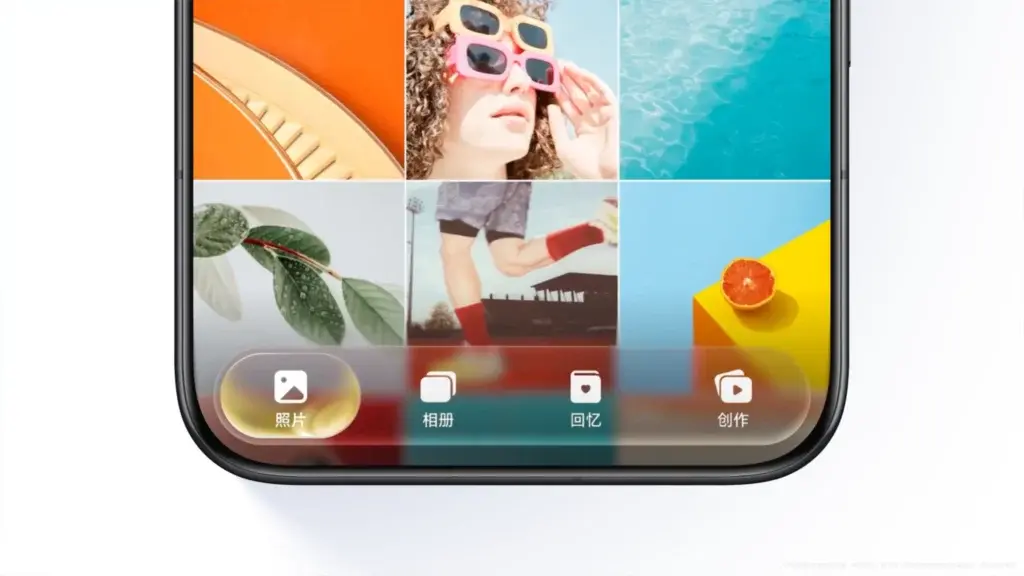
The system utilizes AI to analyze user habits, enabling the interface to behave in a more intuitive and responsive manner. Widgets and dynamic wallpapers are rendered with advanced HDR effects to provide a sense of layering and depth, ensuring that the visual density of the screen remains readable and functional for daily tasks.
Beta Testing Targets Flagship Devices Exclusively
The pioneer edition of MagicOS 11 is currently restricted to the brand’s most advanced hardware. Only owners of the Honor Magic 8, Magic 8 Pro, Magic 8 Pro Air, and the premium Magic 8 RSR Porsche Design can participate in the testing process at this time.
Prospective testers can apply via the My Honor application by navigating to the Clubs section to submit their enrollment forms.
Honor emphasizes that because this is an early-stage beta, participants should expect potential bugs, overheating, or system instability. Following the completion of the testing phase, the company intends to optimize the software for a broader rollout. As manufacturers continue to compete aggressively in the software design space, this update signals a clear commitment from Honor to lead in both form and function. How do you feel about the trend toward glass-like, transparent interfaces in modern smartphones, and would you be willing to test a beta version on your daily driver? Let us know your thoughts in the comments below.
Your comment has been submitted,
it will be published after approval.