
The Samsung Galaxy S26 Ultra has been at the center of debate since the day it was unveiled. The main reason for this controversy was the South Korean tech giant’s radical decision to abandon the titanium frame it proudly featured in previous flagship models in favor of returning to Armor Aluminum 2.
While interpreted by many tech enthusiasts as a “step backward” or a cost-cutting move on paper, Samsung claims the primary reason was to achieve a significantly thinner and lighter form factor. But how much durability was sacrificed for this aesthetic goal? Brutal drop tests conducted by the famous tech channel PBKreviews reveal the answer in plain sight.
Armor Aluminum 2 vs. Concrete
In a drop test simulating common daily scenarios, the Galaxy S26 Ultra was repeatedly dropped directly onto concrete from roughly head height. While many wondered how the absence of titanium would affect the device, the results were quite surprising.
The Armor Aluminum 2 frame surrounding the phone’s body managed to maintain its structural integrity against violent impacts. While visible dents, scratches, and cosmetic damage occurred on the corners and edges that made contact with the concrete, there was no bending, cracking, or structural failure that prevented the hardware from functioning. This proves that while aluminum is more prone to scratches than titanium, it performs just as well in terms of shock absorption.
 Shiftdelete.net
Gorilla Armor 2 Passes the Test, But Cameras Show Vulnerability
The most impressive part of the test was undoubtedly the resilience shown by the display. The Gorilla Armor 2 protection glass, developed through Samsung’s collaboration with Corning, completed the test without a single crack despite numerous hard impacts with the concrete. No “spider-web” shattering occurred, and the touch panel continued to function flawlessly throughout the test.
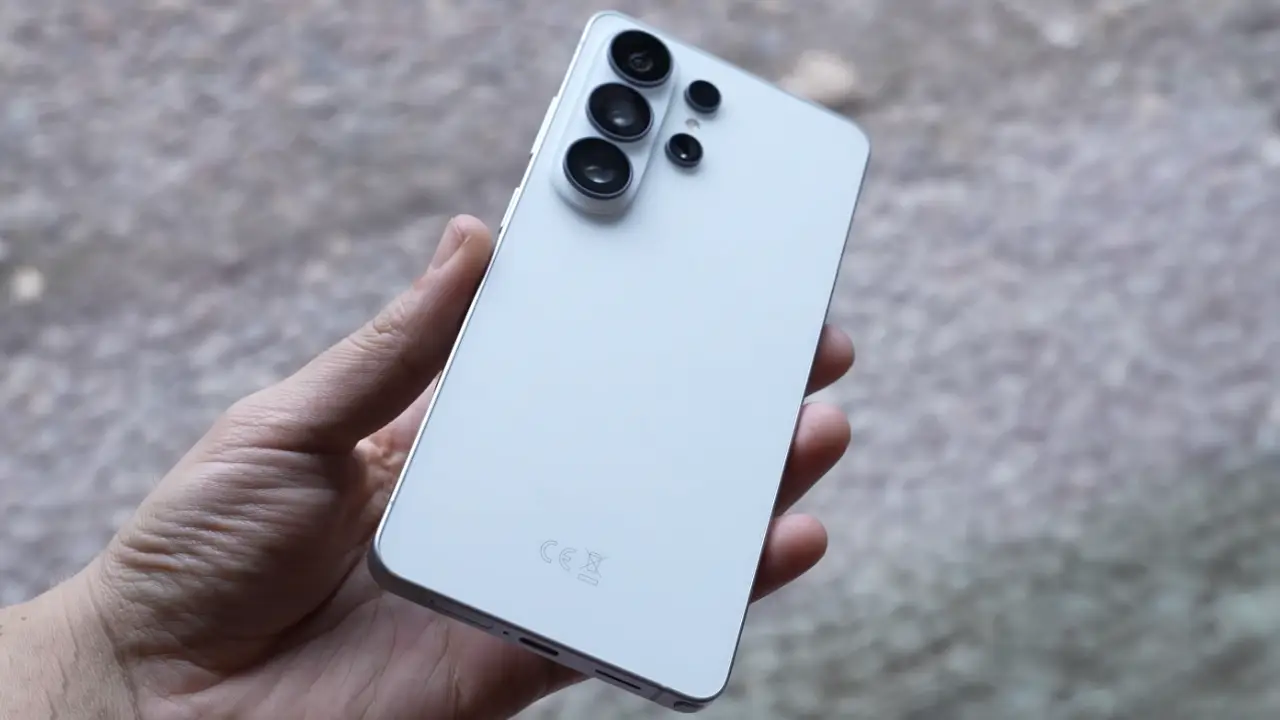
However, the story changes when looking at the back of the device. Samsung’s strategy to thin the device from 8.2mm to 7.9mm resulted in thinner protective rings around the camera lenses.
- During the first face-down drop, the glass lens covering the 50MP telephoto camera unfortunately cracked under the pressure.
- Despite the worsening cracks in subsequent drops, the camera itself remained undamaged and continued to take photos without issue.
This clearly demonstrates that the thinned design has left the cameras slightly more vulnerable to direct impacts.
Is Cosmetic Damage the Price of a Thinner Design?
With a weight of 214 grams and a thickness of 7.9mm, the Galaxy S26 Ultra stands out as the most ergonomic “Ultra” model to date. The fruits of Samsung’s switch from titanium to Armor Aluminum 2 are hidden in these physical dimensions. The PBKreviews test reveals that while this slimming operation didn’t affect the phone’s overall survival skills, the aluminum frame dings and scratches more easily than titanium.
In summary: even though the Galaxy S26 Ultra has shed its titanium armor, it remains a flagship durable enough to challenge concrete floors. Brave users who prefer using it without a case may have to accept scratches and dents over time, but for the vast majority who use a protective case, the difference between titanium and aluminum will remain minimal in daily life.