
How to Identify When Your Car Battery Is Dying

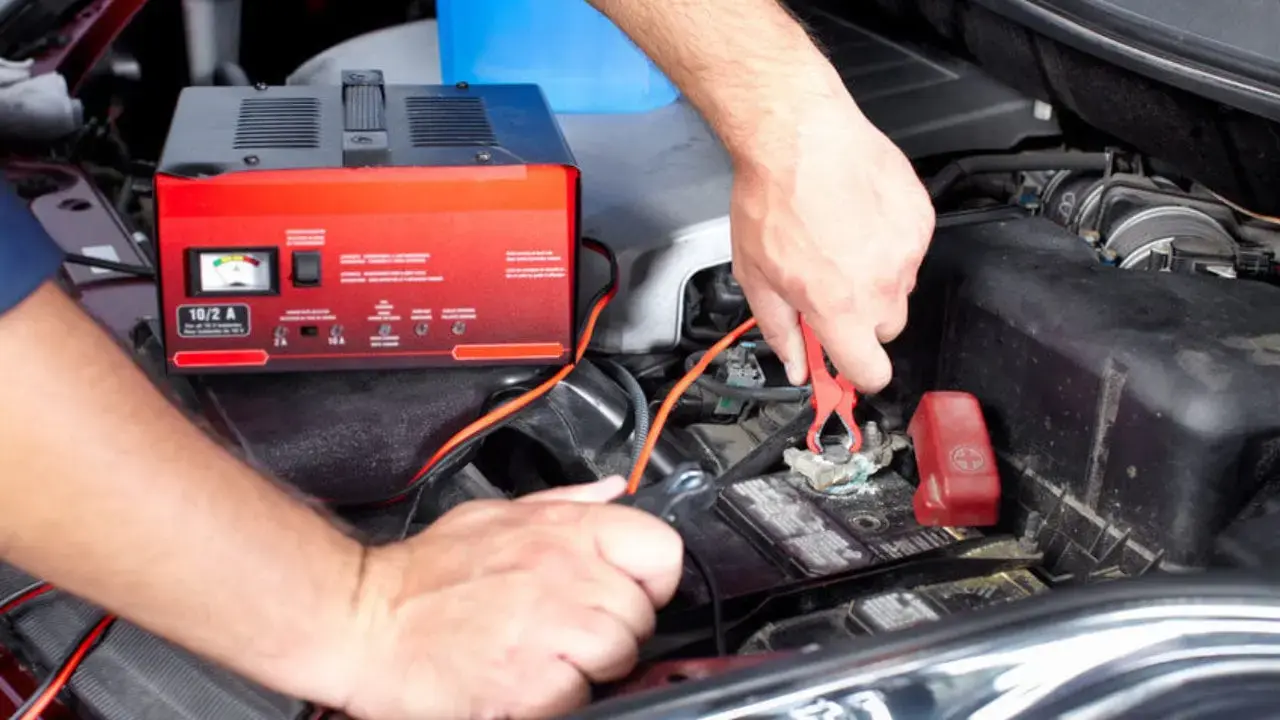
Drivers frequently wonder how to identify when their car battery is dying, a common issue that often leads to unexpected vehicle breakdowns. A failing battery typically manifests through specific warning signs, such as a sluggish engine start, dimming headlights, or the malfunctioning of onboard electronic systems. Understanding these indicators is essential for every vehicle owner to prevent being stranded on the road. When the chemical capacity of the battery degrades, it can no longer provide the necessary current to sustain the vehicle’s electrical components or the starter motor. Recognizing these early symptoms allows for timely intervention before total failure occurs.
- A slow-cranking engine and dimming interior lights serve as primary indicators of a depleting battery.
- The illuminated battery warning light on the dashboard signals potential failure in the vehicle’s charging system.
- A multimeter reading below 12.6 volts while the engine is off indicates a battery requires immediate attention.
- Faulty alternators often masquerade as battery issues by preventing proper recharging during vehicle operation.
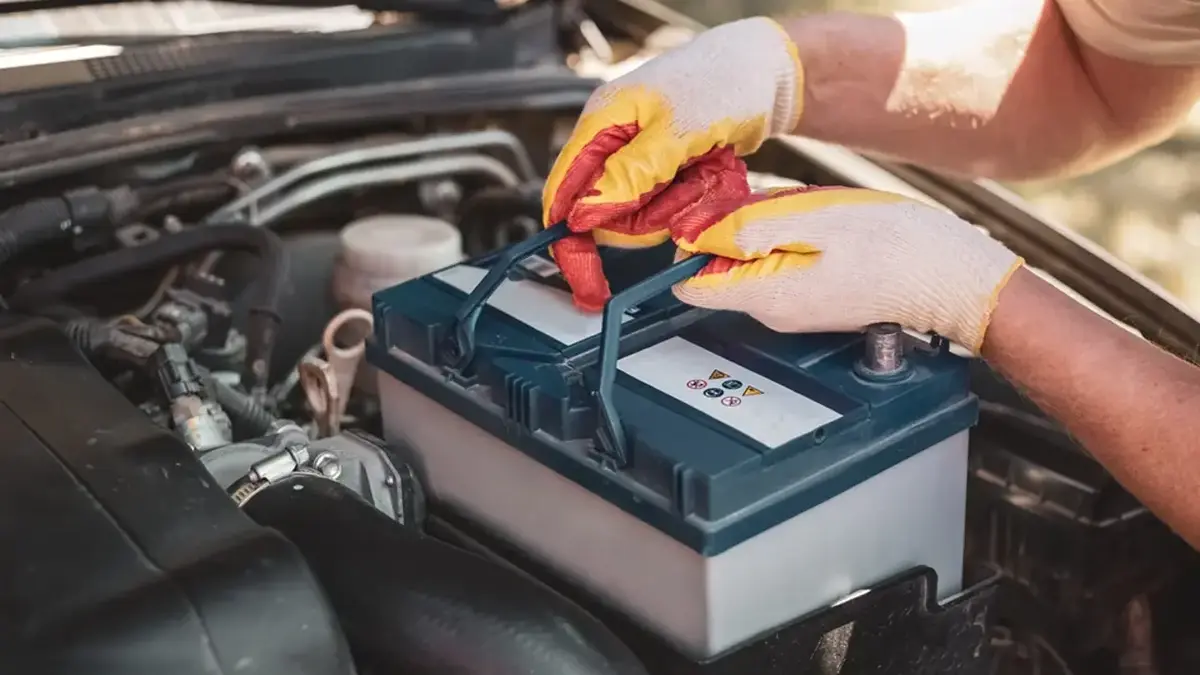
Common Symptoms Indicate That Your Battery Is Failing
Before a battery reaches a state of total discharge, several subtle signs usually precede a complete breakdown. The most notable symptom is a sluggish starter motor that struggles to turn the engine over, often accompanied by a distinct clicking sound when the ignition key is turned. Additionally, drivers may observe that power windows operate slower than usual, or central locking systems respond inconsistently to commands.
Visibility can also be compromised as the electrical output wanes. If headlights appear noticeably dimmer while the engine is turned off, the battery likely lacks the necessary charge to support the lighting system. Furthermore, modern vehicles equipped with advanced multimedia systems may experience random shutdowns or reset sequences as the voltage drops below operational thresholds, signaling an urgent need for inspection.
Professional Methods Help Determine If a Battery Is Weak
Determining the precise health of a battery requires more than just observation; it demands objective measurement. Utilizing a multimeter to check the voltage is the most reliable way to assess the status of the unit. A healthy, fully charged automotive battery should typically display a reading of approximately 12.6 volts when the engine is stationary. If the multimeter indicates a value significantly lower than this, the battery is either failing to hold a charge or is approaching the end of its functional lifespan.
It is important to note that a dead battery does not always implicate the battery itself. If the charging system is compromised, the battery may not receive the necessary energy to maintain its charge. In such instances, the alternator often represents the root cause of the problem. If the alternator is not functioning correctly, replacing the battery will only provide a temporary fix, as the new unit will quickly drain without proper power replenishment.
Immediate Actions Are Necessary When a Battery Fails
If a vehicle battery dies while on the road, utilizing jumper cables or a portable jump-starter device provides an immediate, albeit temporary, solution to restart the engine. Once the vehicle is operational, it is imperative to drive to a professional service center to have both the battery and the alternator inspected. Drivers should be aware that jump-starting is not a permanent cure; if a battery has reached its limit, it must be replaced immediately to ensure the long-term reliability of the vehicle and to avoid damage to other electrical components.
Have you ever experienced a sudden battery failure while driving, and what was the first sign that tipped you off? Please share your personal experiences or any tips you have for maintaining battery health in the comments section below.
Your comment has been submitted,
it will be published after approval.