
How to Stop Black Smoke in Diesel Vehicles Effectively

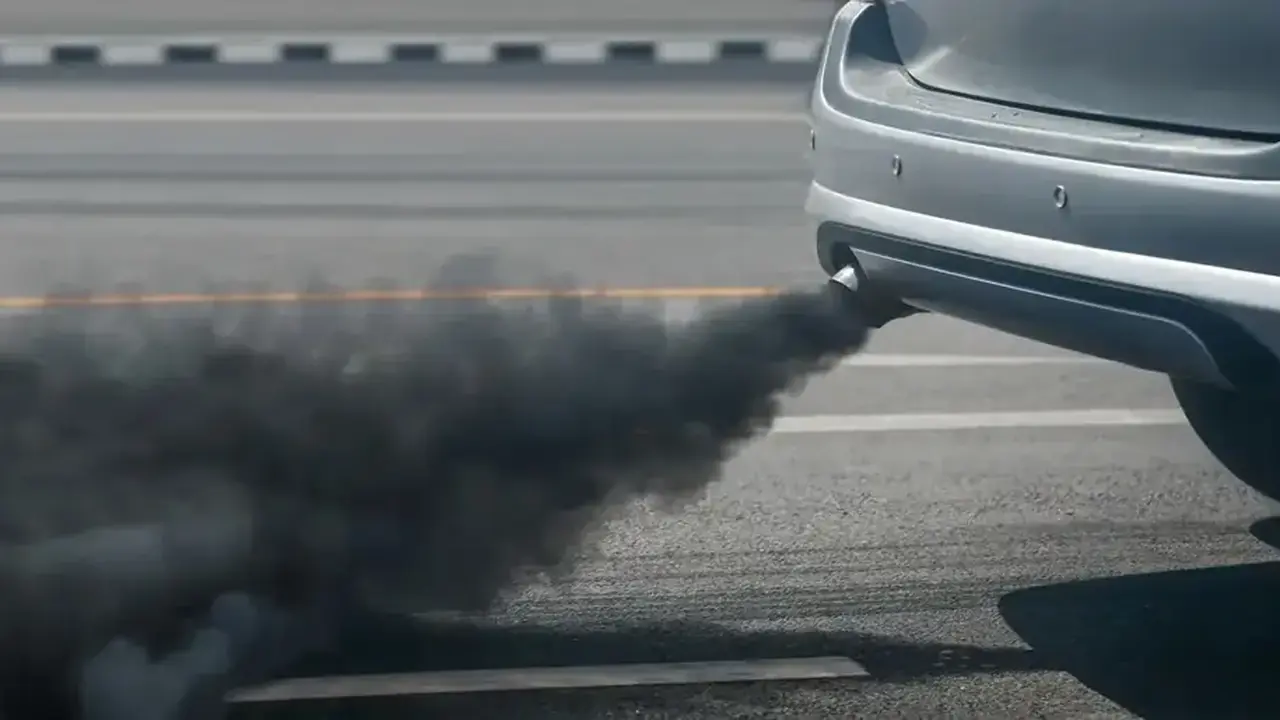
Black smoke emission from diesel vehicles is a common issue that often indicates an incomplete combustion process within the engine. This problem typically arises when the air-fuel ratio is unbalanced, preventing the fuel from burning efficiently inside the cylinders. Diesel vehicle owners frequently encounter this when accelerating, which signals that the engine may be struggling to receive sufficient oxygen or is dealing with faulty components in the fuel injection or air intake systems. Addressing the root cause early is essential to prevent long-term damage, restore optimal fuel economy, and ensure that the vehicle maintains its performance standards under various driving conditions.
- Incomplete combustion is caused by an imbalance in the air-fuel mixture within the engine.
- Clogged air filters and faulty EGR valves represent the most frequent mechanical triggers for smoke.
- Persistent black smoke often results in decreased engine power and significantly higher fuel consumption.
- Professional diagnostic tools accurately identify electronic and mechanical failures within the exhaust system.
Why Diesel Vehicles Produce Black Smoke
The primary reason for black smoke emission is the engine’s inability to draw in enough air to burn the injected fuel completely. When the air intake system is compromised, the engine receives a fuel-rich mixture that fails to burn fully, resulting in carbon-rich exhaust gases. This process is frequently exacerbated by a dirty air filter, which restricts the necessary airflow into the combustion chamber. Over time, soot buildup can lead to further mechanical complications that worsen the emission quality of the vehicle. 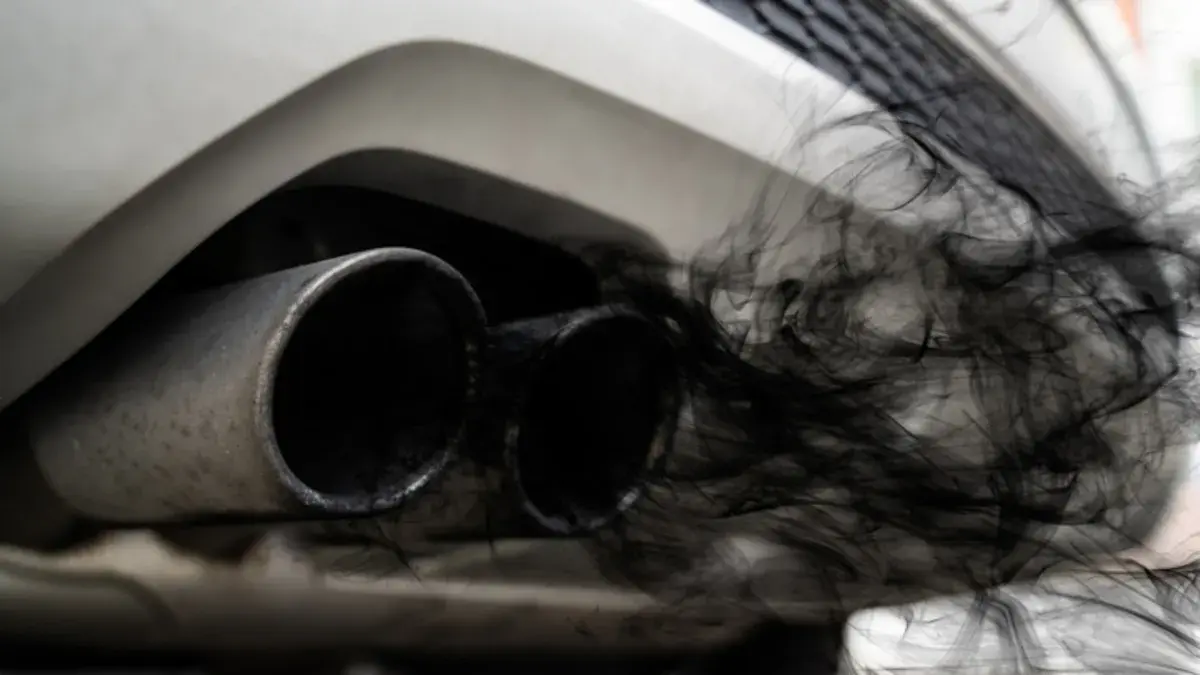
Which Components Must Be Checked for Repairs
To effectively stop black smoke in a diesel vehicle, owners must systematically inspect several critical engine parts. The air filter should be the first point of concern, as simple maintenance here can often resolve the issue. If the filter is clean, technicians should examine the EGR valve, which often accumulates carbon deposits that obstruct proper engine breathing. Additionally, the turbocharger hoses must be checked for potential leaks or pressure drops, as a failing turbo system directly impacts the efficiency of the combustion cycle.
How Fuel Injection Systems Affect Emissions
Faulty or contaminated fuel injectors are another major culprit behind the appearance of black smoke. If an injector fails to spray fuel with the correct atomization pattern, the fuel does not combust properly, leading to the discharge of excess carbon through the exhaust. In such cases, cleaning or replacing the injectors is necessary to restore the vehicle to its factory performance levels. Advanced electronic diagnostics are highly recommended to pinpoint whether the issue stems from a mechanical failure or a malfunctioning sensor that manages the fuel injection timing.
Whether Black Smoke Indicates a Serious Failure
While occasional smoke might not always point to an immediate total engine failure, it should never be ignored. If the black smoke is persistent, dense, or accompanied by a noticeable decline in vehicle power, it serves as a warning sign of an underlying malfunction. Ignoring these symptoms can lead to increased fuel consumption, accelerated wear on engine components, and potential failure of the diesel particulate filter. Regular maintenance and prompt attention to these signs will save vehicle owners from expensive repairs in the future.
Have you experienced persistent black smoke from your diesel engine, and what specific steps did you take to resolve the issue? Please share your mechanical insights and experiences in the comments section below to help other diesel owners.
Your comment has been submitted,
it will be published after approval.