
Huawei Expands HarmonyOS Ecosystem With New Commercial Computers

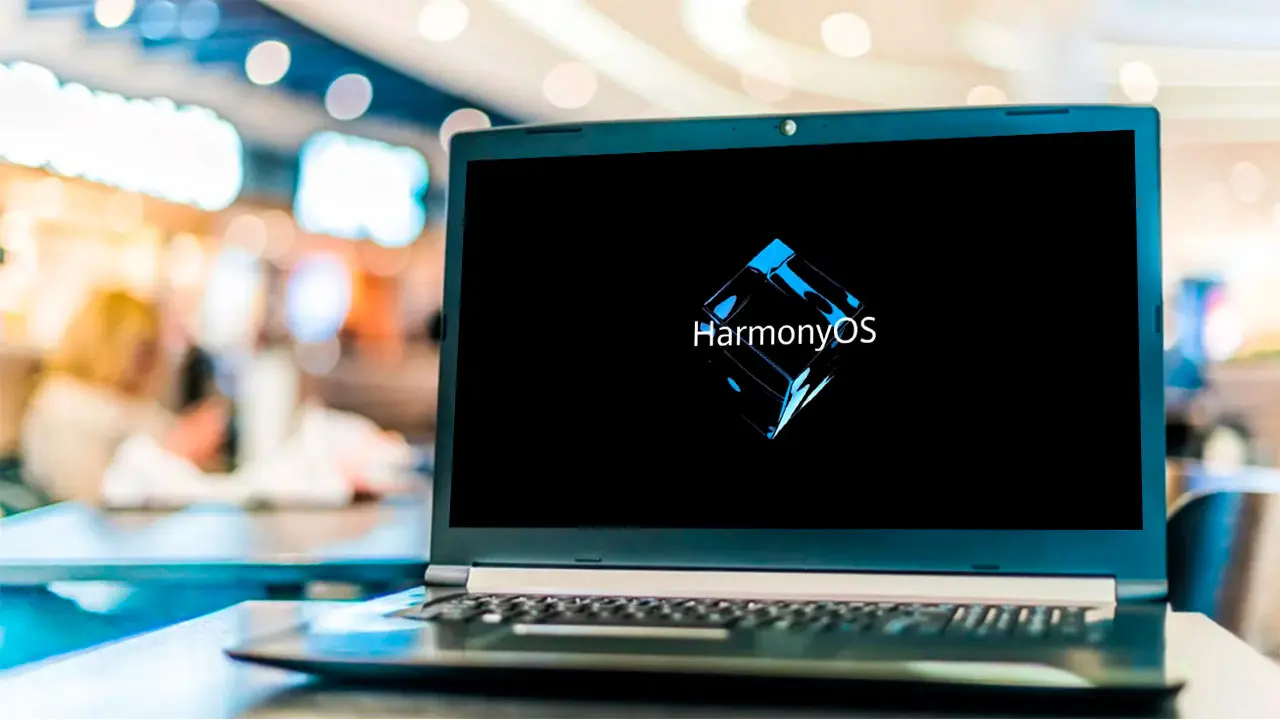
Huawei is making a bold move to solidify its technological independence by launching a new line of commercial desktop and laptop computers powered by its proprietary HarmonyOS. Announced by Product Group President Zhu Dongdong at the Huawei Developer Conference (HDC 2026), these enterprise-focused systems are scheduled for a full market release in September. By shifting its focus from consumer electronics to the high-security corporate sector, Huawei aims to provide businesses with a secure, independent computing environment that reduces reliance on Western operating systems. This strategic pivot represents a significant milestone for the company as it seeks to integrate its HarmonyOS ecosystem across all computing platforms.
- Huawei plans to release commercial desktop and laptop computers featuring the HarmonyOS platform in September.
- The new hardware includes specialized security chips and zero-latency deployment tools for corporate IT environments.
- The HM740 laptop model features a 14.2-inch OLED display and offers up to 21 hours of battery life.
Huawei Targets Corporate Needs With HarmonyOS Office
During the HDC 2026 event, the HarmonyOS Office session highlighted the company’s vision for professional computing. Zhu Dongdong emphasized that the upcoming desktop systems are specifically engineered for large-scale commercial organizations rather than the average home user. To ensure reliability, Huawei has initiated a comprehensive trial period, allowing corporate partners to test the hardware within their specific operational infrastructures before the official launch.
{{WP_IMAGE_1}}
This transition marks the first time Huawei has moved away from traditional operating systems for its core computing business.
For many enterprises within the Chinese market, the primary objective is to build a self-contained ecosystem that prioritizes data sovereignty. HarmonyOS is designed to fill this void by offering an isolated architecture that remains resistant to external interference while maintaining seamless connectivity between devices.
Hardware Security Defines The New Computing Standards
The new desktop systems are distinguished by advanced hardware components tailored to meet strict corporate data protection regulations. A dedicated security chip is integrated directly into the motherboard to safeguard sensitive information. Furthermore, the inclusion of zero-latency deployment technology enables IT departments to enforce company-wide security policies and system configurations remotely as soon as the devices are activated.
HM740 Model Combines Performance And Portability
The HM740 laptop serves as a prime example of Huawei’s new commercial hardware strategy. Weighing only 1.32 kg with a slim 14.5 mm profile, the device is built for mobility without sacrificing power. It boasts a 120Hz OLED display and an impressive 21-hour battery life. Most importantly, the device utilizes software isolation technology, allowing users to switch between personal and professional environments with a simple four-finger gesture. Hardware-level security ensures that corporate data remains completely shielded from external access or cross-contamination.
Huawei is successfully extending its operating system dominance from mobile devices to high-performance desktop computing.
Global Market Impacts Are Anticipated By Analysts
With the upcoming September release, Huawei is effectively bringing its HarmonyOS ecosystem to large-screen devices, completing the link between smartphones, tablets, and professional computers. While specific pricing and detailed technical specifications remain undisclosed, market analysts predict significant growth in HarmonyOS-supported computer shipments before the end of 2026. As the company continues to challenge the status quo, the global implications of this shift toward a truly independent operating system remain a major point of interest for the tech industry.
Do you believe the expansion of HarmonyOS into the corporate sector will successfully reshape the global landscape of enterprise computing? Share your thoughts and predictions in the comments section below.
Your comment has been submitted,
it will be published after approval.