
Huawei has returned to the top of the Chinese smartphone market after a four-year hiatus. Sales data released for the second quarter of 2025 show that the company has reversed its long-term decline and achieved market leadership. Huawei surpassed all its competitors, especially Apple, during this period.
Huawei Reclaims Top Spot in the Smartphone Market
According to a report published by the international data analytics firm IDC, Huawei accounted for 18 percent of smartphone sales in China in the second quarter of the year. The company’s total shipments exceeded 12 million units. This performance propelled Huawei to the market leader position for the first time since 2020. The Pura 80 series models, particularly known for their photography features, are said to have played a critical role in this success.

Huawei’s resurgence is particularly notable after a period of decline triggered by US sanctions. Having long faced severe restrictions on hardware and software access, the company has increased its independence in the production side by developing its own 5G-enabled chipsets. These efforts appear to have strengthened the brand’s position in the Chinese market.
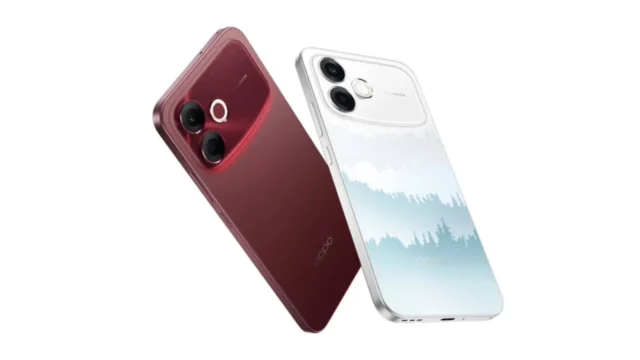
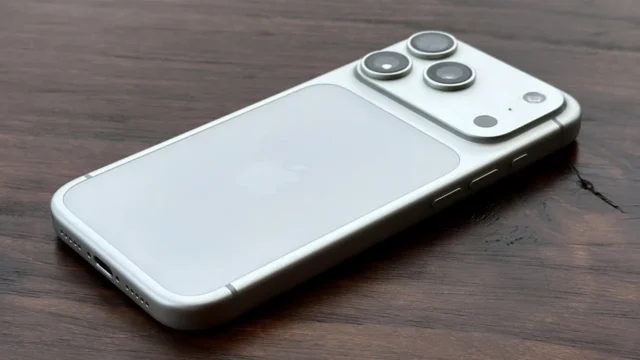
Huawei’s success wasn’t limited to its own performance; it also shifted the balance of power across the market. Vivo fell to second place, while Oppo climbed to third. Xiaomi moved into fourth place. Apple, however, experienced the most significant loss this quarter, falling to fifth place. As the only foreign manufacturer in China’s top five, Apple is at risk of losing its position as well.
The Chinese smartphone market has also experienced a general contraction. Compared to the same period last year, total shipments fell by 4 percent to 69 million units. In this environment, Huawei’s rise to leadership by increasing its market share demonstrates that the company has regained its competitive edge.
Whether Huawei can maintain its current momentum will become clearer during the remainder of the year. The company is reportedly preparing to introduce new chipsets, four of which will cater to the flagship segment. This development suggests that competition will intensify in the final quarter of the year. This transformation in the Chinese market could also have significant consequences for the global smartphone market.