
HÜRKUŞ-II Joins the Turkish Air Force Inventory

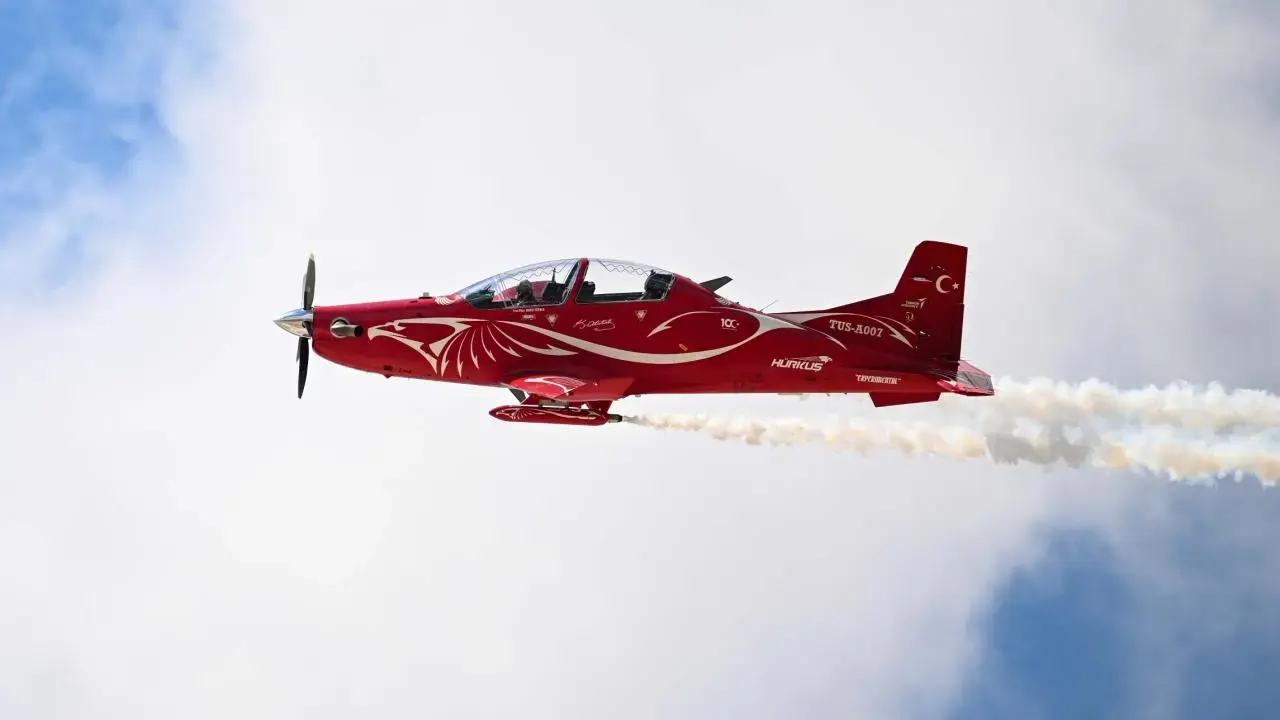
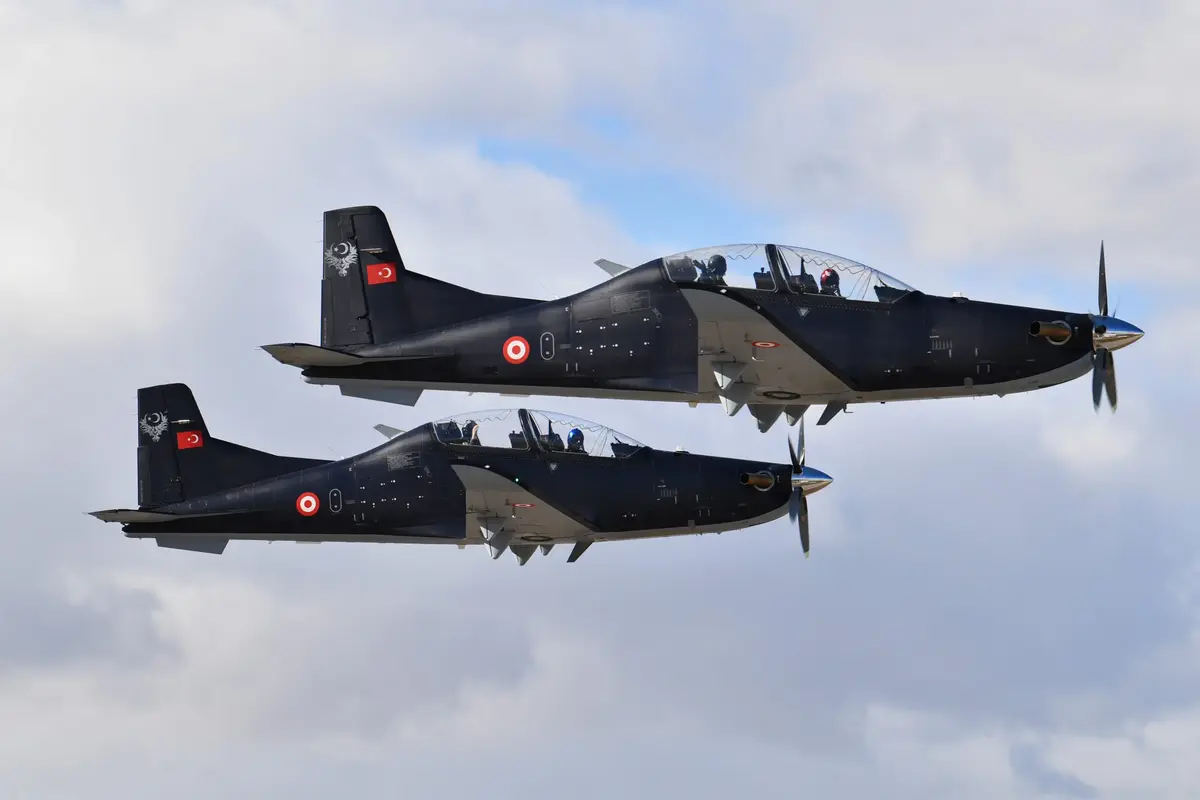
Turkish Aerospace Industries (TUSAŞ) has officially delivered the first two HÜRKUŞ-II New Generation Basic Trainer Aircraft to the Turkish Air Force Command. The ceremony, held at the TUSAŞ facilities in Kahramankazan, marks a significant milestone as the program transitions from the testing and development phase to serial production and operational deployment. This advancement reinforces Turkey’s commitment to enhancing its sovereign defense aviation capabilities through the integration of the HÜRKUŞ-II into the national pilot training ecosystem. The delivery signifies a transition where the platform shifts from a prototype project to an active, essential component of military flight instruction.
- The Turkish Air Force plans to integrate a total of 55 HÜRKUŞ-II aircraft into its operational inventory.
- The platform successfully completed 300 test sorties and obtained military type certification in September 2026.
- The HÜRKUŞ-II serves as the foundational element in the domestic pilot training chain leading toward HÜRJET and KAAN.
- TUSAŞ aims to leverage the platform’s operational experience to target international market opportunities.
The Program Outlines a Delivery Schedule
The HÜRKUŞ-II program aims to meet the fundamental training requirements of the Turkish Air Force by acquiring 55 aircraft in total. Following the initial delivery, production is expected to accelerate throughout the remainder of the year. Current projections indicate that 10 additional units will be delivered by the end of 2026, with the remaining aircraft scheduled for deployment by the end of 2028. This strategic timeline ensures that the aircraft will soon become a backbone of the pilot training infrastructure.
Extensive Tests Ensure Operational Readiness
Before entering the inventory, the HÜRKUŞ-II underwent a rigorous certification process. Since its maiden flight on December 29, 2024, the aircraft has completed approximately 300 test sorties, covering 2,256 specific test points. The certification process involved 12 distinct disciplines, confirming 1,790 requirements through 153 various laboratory and flight tests. This thorough validation process highlights the technical depth achieved by Turkish engineers in certifying a home-grown military platform.
The Platform Strengthens the Pilot Training Chain
As a crucial link in the military aviation chain, the HÜRKUŞ-II bridges the gap between basic flight instruction and advanced jet training. It prepares pilot candidates for transition to the HÜRJET lead-in fighter trainer and eventually the KAAN fifth-generation combat aircraft. By utilizing a domestic ecosystem, Turkey secures its pilot training pipeline from start to finish. The aircraft features significant upgrades over its predecessor, including a 1,600-shaft horsepower engine, advanced ejection seats, and a bird-strike resistant canopy.
The Design Supports Multiple Operational Roles
While its primary function remains basic training, the HÜRKUŞ-II possesses a versatile configuration. Its design allows for potential deployment in roles such as border security, armed reconnaissance, surveillance, and close air support. This multi-purpose capability ensures that the platform provides value beyond traditional flight instruction, potentially serving various mission concepts in the future.
Export Opportunities Expand the Market Reach
TUSAŞ views the HÜRKUŞ-II as a key player in the global defense market. With an estimated global demand for over 250 new-generation basic trainers, the platform’s entry into the Turkish Air Force inventory serves as a vital international reference. The operational maturity demonstrated by the Turkish military serves as a testament to the aircraft’s reliability, which is expected to bolster ongoing export negotiations.
We invite our readers to share their thoughts on how the integration of the HÜRKUŞ-II into the Air Force will impact the future of domestic pilot training in the comments section below.
Your comment has been submitted,
it will be published after approval.