
Hyundai Ioniq 3 Tested: Is Turkey’s New Electric SUV Worth It?

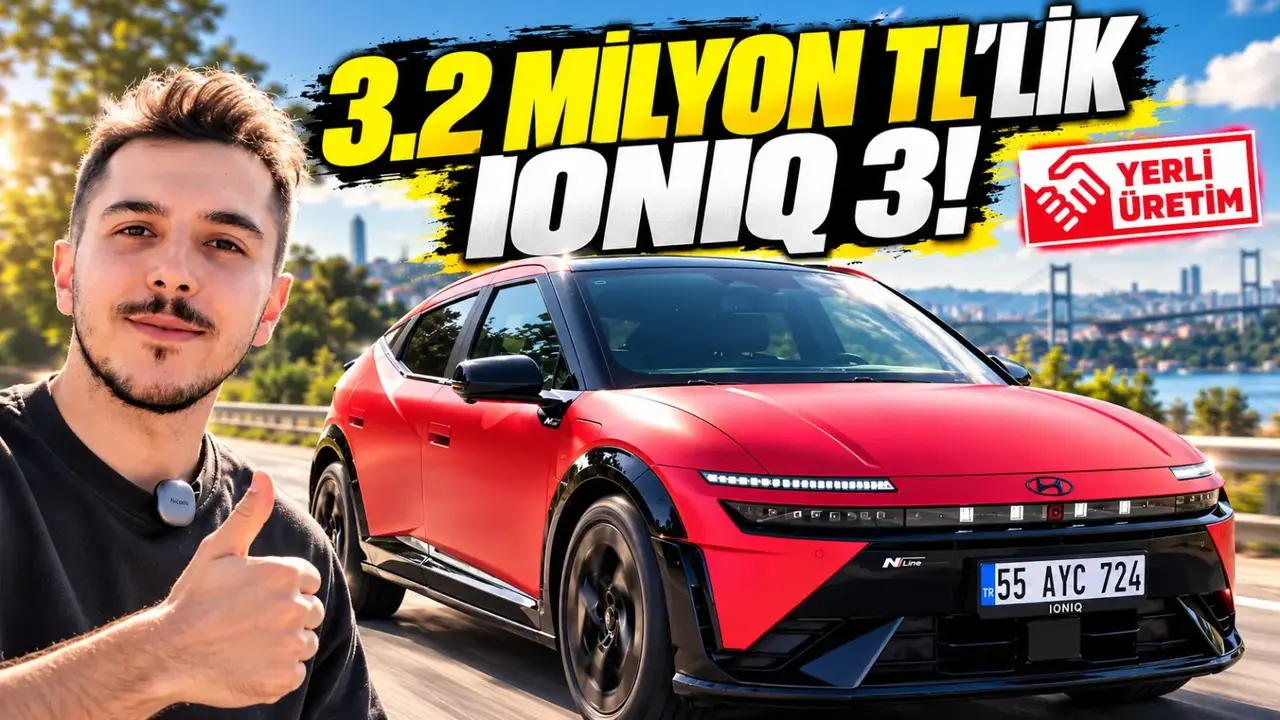
Hyundai has officially unveiled the new Hyundai Ioniq 3, a compact electric SUV set to be produced in Turkey. Following a comprehensive 180-kilometer road test, the vehicle has drawn significant attention for its blend of modern technology and versatile design. While the local production status is a major highlight, the model faces criticism for being excluded from state incentives and favorable loan programs available to domestic electric vehicle manufacturers like Togg, as its core R&D process was conducted outside of Turkey. This regulatory situation remains a primary topic of debate among automotive analysts and potential consumers entering the local market.
- The Hyundai Ioniq 3 is available in four distinct trim levels ranging from the entry-level Select to the top-tier N Line Evo.
- The vehicle offers two battery options, with the long-range variant achieving a combined WLTP range of up to 482 kilometers.
- Local production excludes the model from specific government-backed financial incentives typically reserved for vehicles with domestic R&D roots.
- Real-world testing indicates that energy consumption fluctuates between 16 kWh and 17.9 kWh per 100 kilometers depending on driving conditions.
Four Different Trim Levels Define the Market Offering
The Ioniq 3 enters the Turkish market with a diverse range of configurations. The entry-level Select package is priced at 1.8 million TL, while the flagship N Line Evo version reaches a price point of 3.22 million TL. The base model is equipped with a 42.4 kWh battery, whereas higher-end trims feature a larger 61 kWh capacity. Interestingly, the entry-level variant prioritizes performance with higher motor output and faster acceleration, while the premium models focus on maximizing range and efficiency.
Driving Dynamics Show Mixed Results
Our 180-kilometer test route, which spanned both highway stretches and the winding roads of Şile, highlighted the vehicle’s suspension comfort and precise body control. The 250 Nm of instant torque ensures that the SUV remains nimble during urban stop-and-go traffic. However, the experience at higher speeds is compromised by noticeable road noise intrusion. While the vehicle remains efficient during moderate driving, energy consumption increases significantly during high-speed highway travel, reaching up to 17.9 kWh per 100 kilometers.
Technological Integration Improves Interior Ergonomics
Inside the cabin, the Ioniq 3 utilizes Hyundai’s latest Pleos operating system, integrated into a dual-screen cockpit. The inclusion of wireless Apple CarPlay ensures a seamless multimedia experience. The N Line Evo trim enhances the interior ambiance with sporty, red-stitched seats and a panoramic glass roof. Practicality is supported by a 441-liter dual-floor trunk. Nevertheless, the heavy use of hard plastics in the rear cabin and the omission of premium digital displays in entry-level trims detract from the vehicle’s overall perceived value given its premium price tag.
Performance and Pricing Justify Further Debate
For buyers considering the 3.2 million TL N Line Evo, the competitive landscape presents several strong alternatives that might offer better value for money. While the mid-range Prime package appears to be the most balanced choice regarding battery capacity and features, the sparse equipment list of the base model leaves some consumers wanting more. Evaluating whether the Ioniq 3 fits into your lifestyle requires weighing the benefits of its design against its current price-to-performance ratio in the Turkish market.
We are curious to hear your thoughts on the new Hyundai Ioniq 3. Does the design and technological suite justify the price tag in the current market, or would you choose a rival electric vehicle? Please share your opinions and questions in the comments section below.
Your comment has been submitted,
it will be published after approval.