

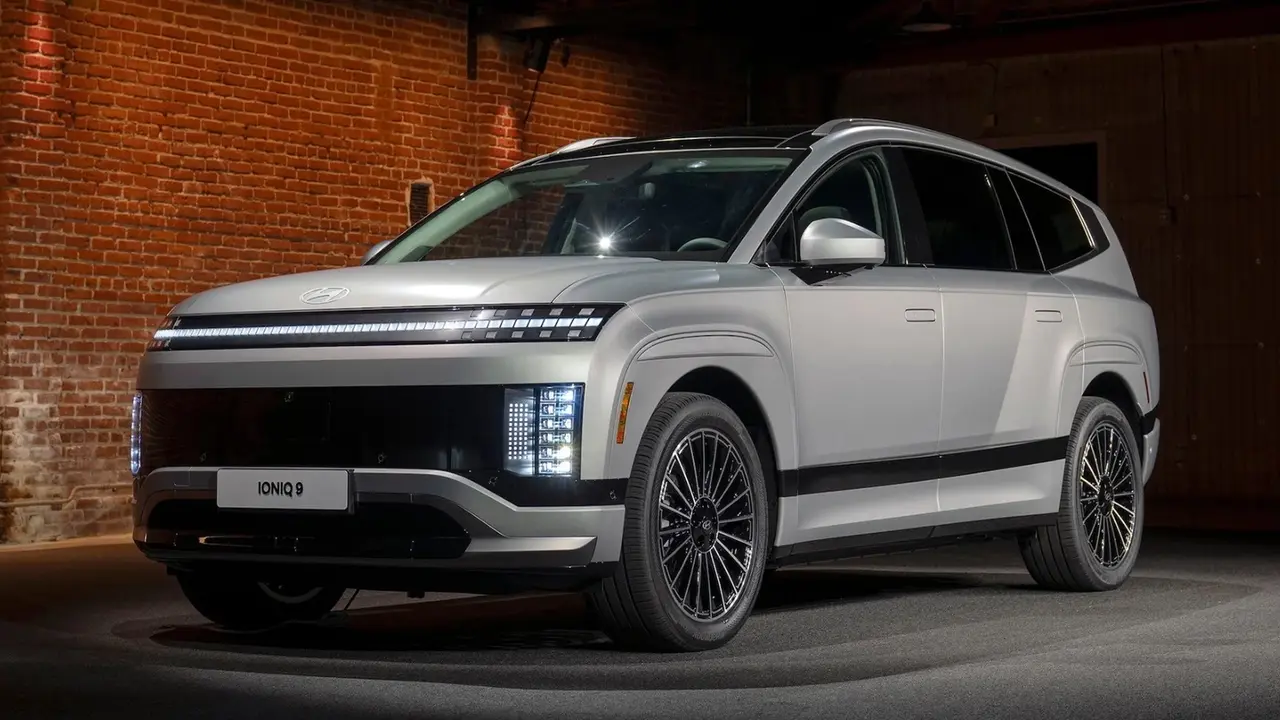
Hyundai is abandoning the thin LED light strips that have become prominent in electric vehicle design in recent years and synonymous with the brand. The company’s design chief, Simon Loasby, attributed this decision to the end of the LED strip design trend. Hyundai announced that it will not use this element in the front and rear lighting of its vehicles in the future.
Hyundai is abandoning LED strips
LED light strips, a design element that became widespread in the early 2000s following the advent of Xenon headlights, were quickly adopted in the automotive industry. Hyundai was one of the first brands to adopt this trend.
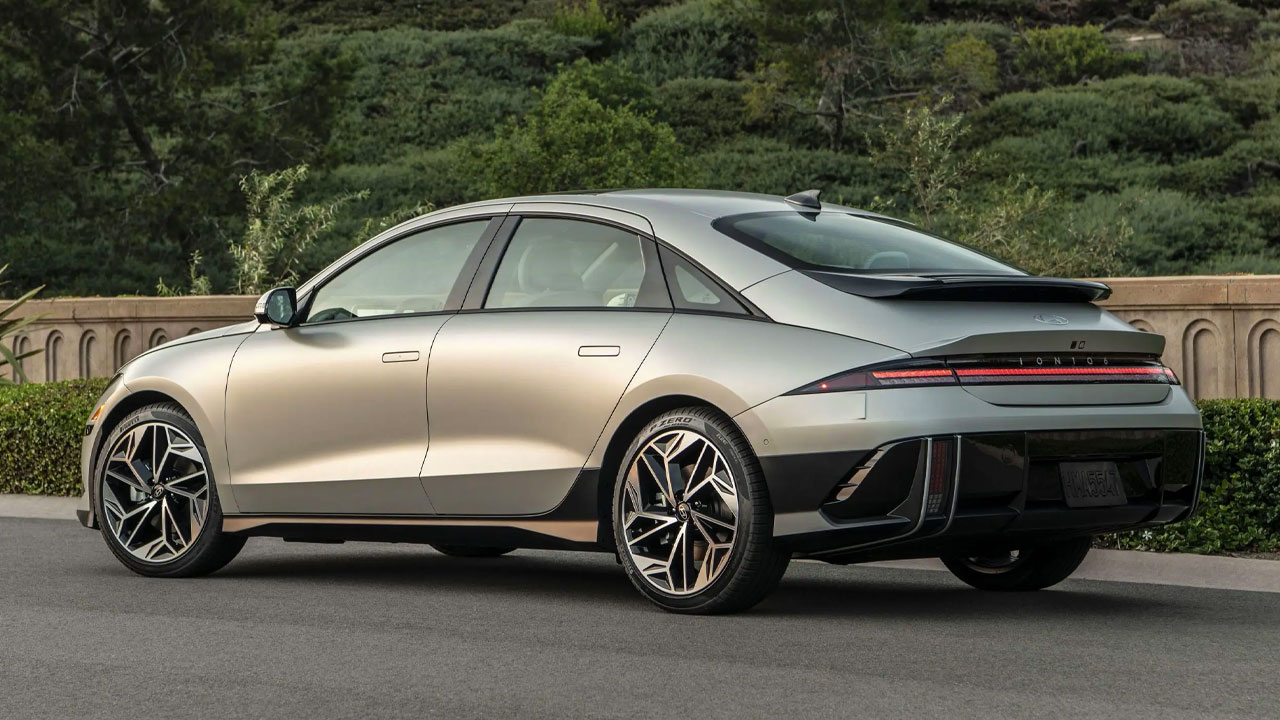
Frequently used in models such as the Grandeur, Kona, and Sonata, this lighting style has become a symbol of electric vehicles over time. Many manufacturers, including Tesla, have used this design in their new generation vehicles. However, Hyundai states that this aesthetic approach has reached saturation.
Simon Loasby stated that LED strips are not cost-effective and that consumer interest in the US and European markets is waning. According to Loasby, it is time for these markets to turn to more original and innovative design approaches. While interest in LED strips continues in the Chinese market, the company’s overall strategy is now shaping up to abandon this feature.
Hyundai’s new design approach is based on the “pixel lighting” technology found in the IONIQ series. This new approach replaces traditional LED strips with an aesthetic featuring sharper lines and modular light arrangements.
The IONIQ 3, a concept vehicle unveiled at the Munich Motor Show, was one of the first examples of this transformation. The vehicle is equipped with updated pixel-based lighting technology instead of traditional LED strips.
Hyundai’s decision is shaped not only by aesthetics but also by cost and regional market expectations. This shift in the brand’s design policies offers clues about how the visual identity of electric vehicles will evolve in the future.