
Hyundai Launches Innovative Parking Robots to Maximize Space Efficiency

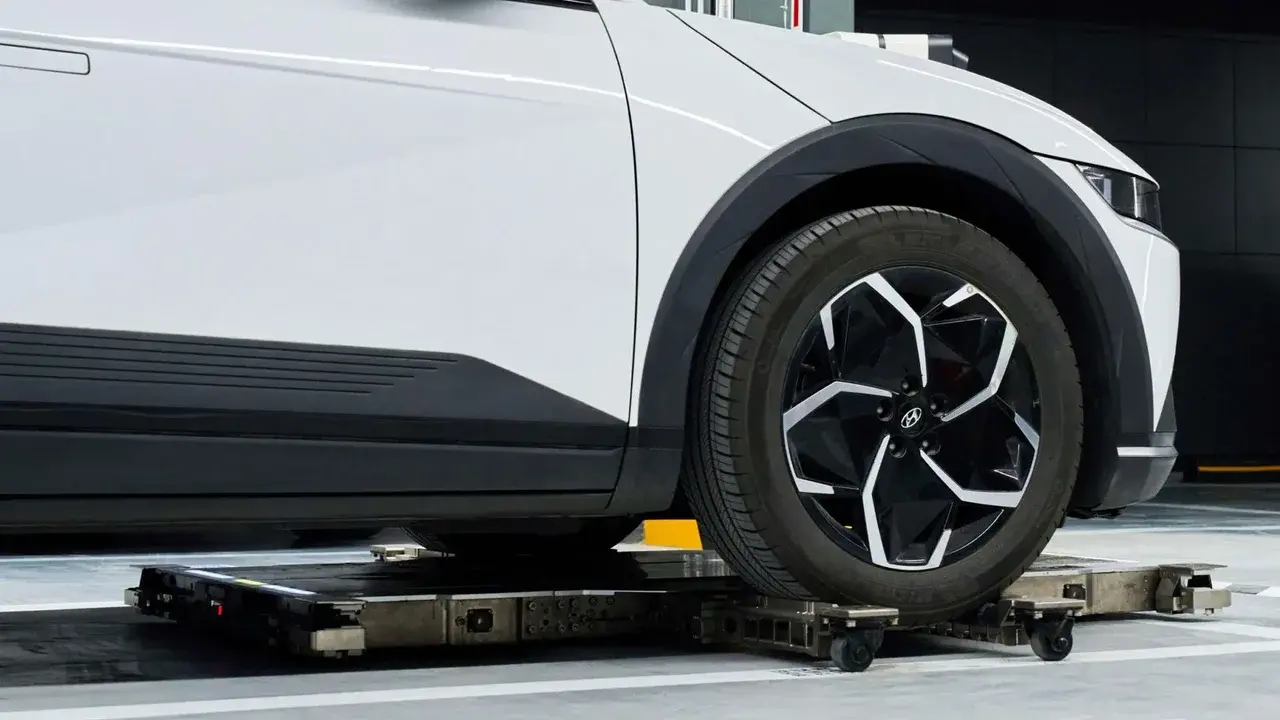
Hyundai has officially launched a pilot program in Siheung, South Korea, to revolutionize urban parking through the deployment of advanced parking robots. This initiative, led by a consortium comprising Hyundai Motor, Hyundai Wia, and Hyundai E&C, aims to solve the chronic shortage of parking space in high-density residential areas. By utilizing sophisticated autonomous technology, the company allows drivers to drop off their vehicles at designated entry points, leaving the complex maneuvering to the machines. This system is designed to significantly increase the capacity of existing underground facilities by utilizing every available inch of floor space effectively.
- The automated parking system increases site capacity by 20% to 50% compared to traditional layouts.
- Hyundai uses 110-millimeter-tall robots equipped with LiDAR sensors to maneuver vehicles weighing up to 3,400 kilograms.
- The consortium is currently testing the technology at a residential apartment complex in Siheung to gather performance data.
Robotic Systems Enhance Parking Capacity
The pilot program currently manages a 53-vehicle zone within an underground parking structure. The core of this system consists of two sets of Hyundai WIA robots, which are remarkably compact at only 110 millimeters in height. These robots slide seamlessly beneath a vehicle, lift its tires, and transport the car to a designated spot. 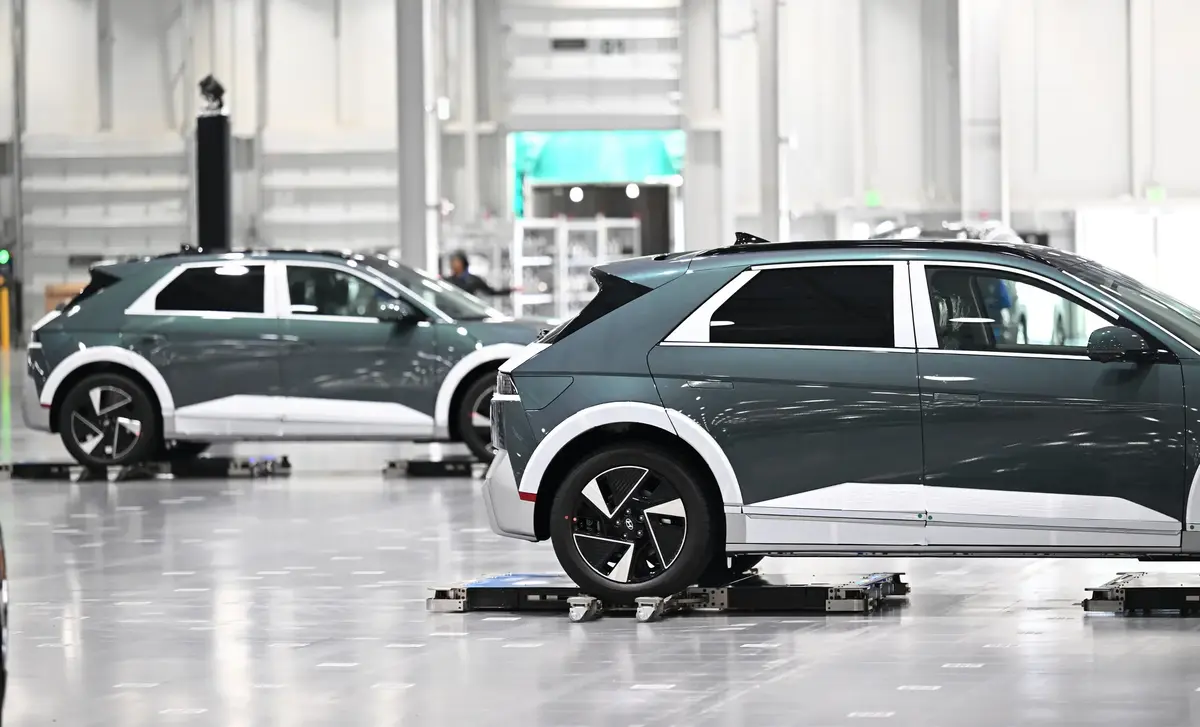
The elimination of the need for human-operated doors allows cars to be parked in configurations previously deemed impossible.
By removing the requirement for passengers to open car doors, vehicles can be parked in extremely close proximity to one another. The robots move at a speed of 4.3 kilometers per hour and are capable of omnidirectional movement, which grants them access to narrow corners and tight gaps that would otherwise remain unusable in a standard parking lot. Drivers interact with the system via a kiosk, where they can command the robots to retrieve their vehicles once they are ready to depart.
Autonomous Technology Improves Operational Efficiency
The integration of LiDAR sensors ensures that the heavy machinery operates with high precision and safety, even when handling vehicles up to 3,400 kilograms. This high level of automation reduces the risk of human-caused accidents or property damage within tight parking structures.
Hyundai aims to establish a standardized formula for calculating the optimal number of robots required for different building infrastructures.
The company is currently analyzing critical performance metrics, including average waiting times for vehicle retrieval, transaction volumes, and overall system utilization rates. This comprehensive evaluation will serve as the foundation for future commercial scaling of the robotic parking technology. By optimizing the spatial footprint of parking, Hyundai hopes to provide a scalable solution for modern cities where land value is high and parking space is increasingly scarce.
We are curious to hear your perspective on this robotic evolution in urban infrastructure; do you believe automated valet services will become the standard in future residential buildings, or do you prefer to keep full control over your parking process? Please share your thoughts in the comments section below.
Your comment has been submitted,
it will be published after approval.