

The recent surge in RAM prices, which has dominated the technology world’s headlines, is poised to profoundly impact the consumer electronics market. With the explosion of interest in artificial intelligence technologies, memory manufacturers have shifted their focus to this area, directly altering the prices and hardware specifications of devices reaching end users.
RAM Price Increase and the Future of the Market
Manufacturers such as Samsung and SK Hynix, giants in the memory market, have decided to increase DRAM and NAND memory prices by up to 30% for the last quarter of the year. This price hike, also joined by SanDisk, is driven by the massive demand for AI infrastructure. As manufacturers allocate their limited production capacity to the more profitable AI chips, a stock shortage has emerged for components needed for standard consumer electronics.
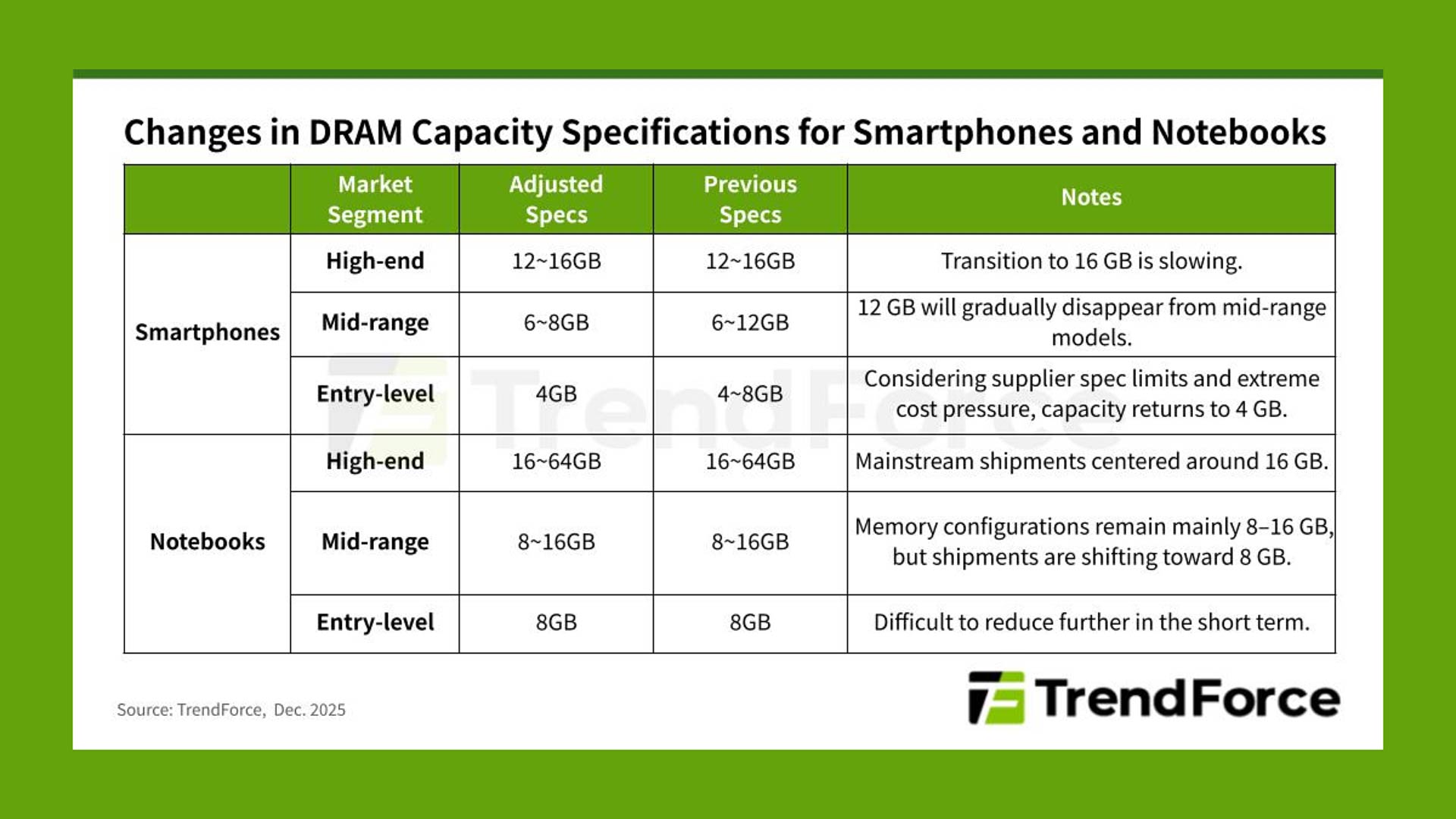
Therefore, an incredible 172% increase in DRAM prices has been observed in the last year. A similar trend is expected for NAND storage units. These cost increases are forcing manufacturers to cut back on hardware production. According to experts, we are entering a period where laptops with 8GB of RAM and smartphones with 4GB of RAM will dominate the market to balance costs.
The 16GB RAM capacity, which has become standard in flagship phones, may once again be replaced by lower-end options. It is even predicted that the 12GB RAM option, which we are used to seeing in the mid-range segment, will become rare. The 8GB standard targeted for entry-level phones may be abandoned, and the use of 4GB RAM may become widespread again.
Voices from within the industry also confirm the seriousness of the situation. TeamGroup General Manager Gerry Chen stated that DRAM and NAND prices have almost doubled and that stock shortages could worsen further in early 2026. According to this pessimistic outlook, it may take until 2027-2028 for prices to return to their previous levels or for stocks to ease.
However, ASUS, a major player in the sector, also issued a similar warning, emphasizing that PC prices would increase significantly if the memory shortage continues. Nvidia is also known to have postponed some product planning due to stock issues.
So, what are your thoughts on the increase in RAM prices? Share your opinions with us in the comments!