
Inside Istanbul Commerce University: Bridging Academia and Business Success

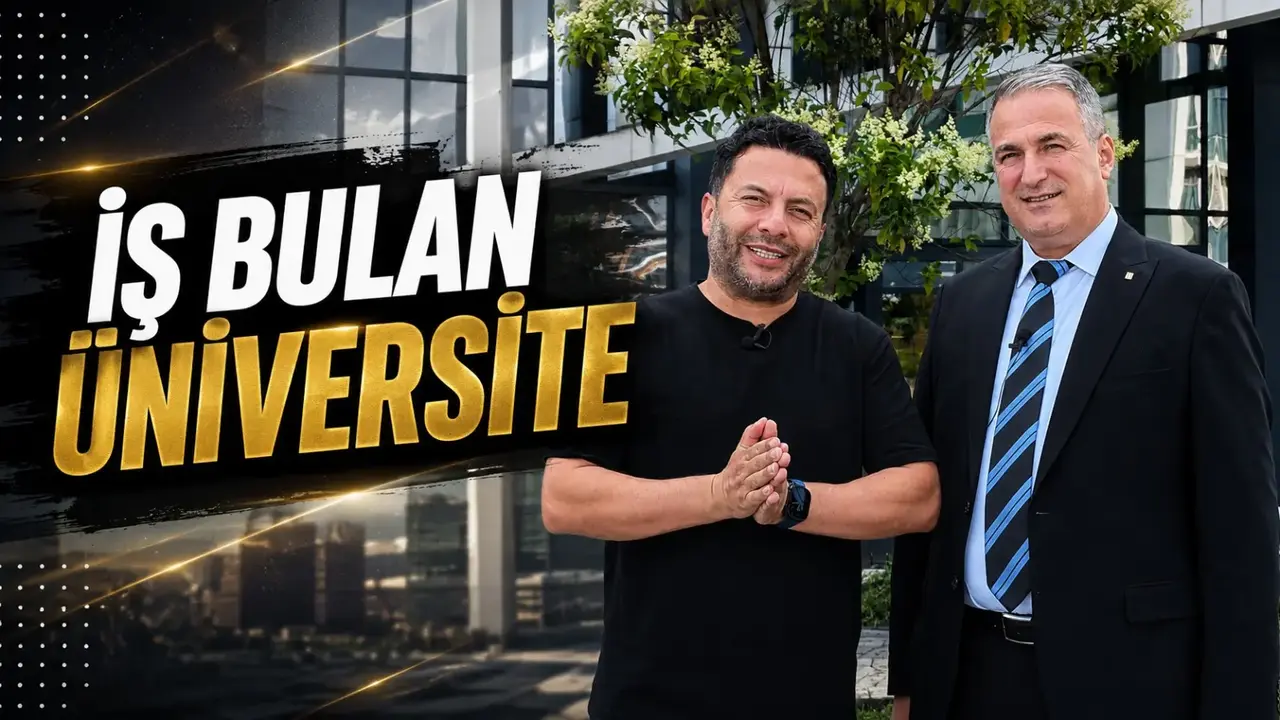
Prospective students exploring higher education options are increasingly seeking institutions that offer practical experience alongside academic rigor, such as the Istanbul Commerce University. Recently, an in-depth tour of the campus revealed how the university integrates theoretical knowledge with the demands of the professional world. By collaborating with industry leaders and utilizing advanced research ecosystems, the university aims to prepare graduates for immediate entry into the workforce. This comprehensive look highlights how students engage with real-world projects, mentor networks, and corporate partnerships from their very first year of study, ensuring they are well-equipped for competitive global careers.
- Istanbul Commerce University incorporates industry-focused training and professional networking into its core academic curriculum.
- The university utilizes facilities like the Technology Transfer Office to assist students in patenting and commercializing their research projects.
- Students gain direct access to professional incubation centers and startup ecosystems through partnerships with the Istanbul Chamber of Commerce.
The Academic Vision Focuses on Industry Integration
During a campus tour, Rector Prof. Dr. Necip Şimşek outlined the university’s commitment to bridging the gap between classroom learning and industrial application. The institution prioritizes projects like TEKNOFEST, which encourage students to apply theoretical concepts to real-world engineering challenges. By fostering direct interactions with industry experts, the university aims to boost student confidence and provide a clearer perspective on career trajectories beyond traditional academic boundaries.
The Technology Transfer Office Supports Innovative Research
A critical component of the university’s research infrastructure is the Technology Transfer Office (TTO), led by Assoc. Prof. Dr. İlker Köse. The office facilitates the entire lifecycle of innovation, from initial intellectual property protection to the final commercialization of products. Students across diverse disciplines, including law, psychology, and engineering, collaborate on interdisciplinary projects that receive support from organizations such as TÜBİTAK. This environment ensures that academic research contributes directly to technological and economic advancement.
Innovation becomes a tangible output when academic research meets industrial demand.
Incubation Centers Accelerate Startup Development
The Commercialization Center for Knowledge (BTM), directed by Dr. Önder Kul, serves as a vital hub for student-led startups. This center provides a structured environment where early-stage concepts are refined through intensive incubation programs. By connecting student entrepreneurs with international investors and providing specialized training, the center enables startups to scale their operations effectively. This support system acts as a bridge for young innovators transitioning from university projects to functional, market-ready businesses.
The University Ecosystem Expands Through Strategic Partnerships
The university’s reach extends into high-level research environments, such as the Teknopark Istanbul, where General Manager Prof. Dr. Abdurrahman Akyol oversees advanced R&D activities. Students gain exposure to professional clean rooms and specialized laboratories, allowing them to integrate into the industrial sector before graduation. Furthermore, the collaboration with the Istanbul Chamber of Commerce (ITO) ensures that the university remains aligned with global market needs. As ITO President Şekib Avdagiç emphasizes, the goal is to cultivate well-rounded individuals capable of competing on the international stage while benefiting from the city’s vast professional resources.
We invite you to share your thoughts on how universities can better prepare students for the modern job market in the comments section below.
Your comment has been submitted,
it will be published after approval.